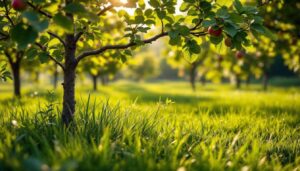
Apple trees are among the most rewarding fruit trees to cultivate in a garden, offering bountiful harvests and beautiful spring blossoms. However, their success depends heavily on the surrounding environment, particularly the plants grown in their vicinity. Certain species can severely compromise the health and productivity of apple trees through various mechanisms: releasing toxic compounds into the soil, harbouring destructive pests, competing aggressively for essential nutrients, or serving as vectors for devastating diseases. Understanding these incompatible relationships is essential for any gardener seeking to establish a thriving orchard.
The dangers of incompatible planting
Understanding allelopathy and resource competition
The science of companion planting reveals that not all plants coexist harmoniously. Some species engage in allelopathy, a biological phenomenon where plants release chemical compounds that inhibit the growth of neighbouring vegetation. Apple trees are particularly vulnerable to such interference, as their extensive root systems require access to substantial nutrients and water throughout the growing season.
Resource competition poses another significant threat. Plants with aggressive root systems can deprive apple trees of essential minerals, particularly:
- Nitrogen, crucial for leaf development and overall vigour
- Phosphorus, necessary for root growth and fruit production
- Potassium, vital for disease resistance and fruit quality
- Micronutrients such as iron, zinc and magnesium
Disease transmission and pest attraction
Perhaps the most insidious danger comes from plants that serve as intermediate hosts for apple tree pathogens. Fungal diseases, bacterial infections and viral conditions can establish themselves in compatible plant species before spreading to vulnerable apple trees. Similarly, certain plants emit chemical signals that attract destructive insects, creating pest corridors that lead directly to your orchard.
| Risk Factor | Impact on Apple Trees | Prevention Strategy |
|---|---|---|
| Allelopathic compounds | Stunted growth, reduced yields | Maintain minimum 15-metre distance |
| Shared pathogens | Increased disease susceptibility | Avoid planting related species |
| Nutrient competition | Weakened trees, poor fruit quality | Select shallow-rooted companions |
These fundamental principles explain why careful plant selection around apple trees is not merely advisable but essential for long-term orchard health. One of the most deceptively dangerous plants exemplifies these risks perfectly.
The silent enemy: fennel
Allelopathic properties of fennel
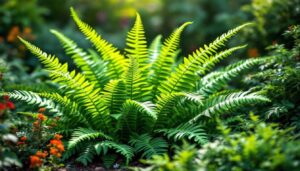
Fennel (Foeniculum vulgare) appears innocuous with its feathery foliage and aromatic qualities, yet it ranks among the most problematic companions for apple trees. This Mediterranean herb secretes potent allelopathic chemicals through its roots, creating an invisible barrier that suppresses the growth of nearly all neighbouring plants. Apple trees exposed to fennel’s chemical warfare exhibit reduced vigour, diminished fruit set and compromised immune responses.
Growth inhibition mechanisms
The specific compounds released by fennel interfere with cellular division in apple tree roots, effectively stunting their ability to absorb water and nutrients. Research has documented that apple trees planted within a ten-metre radius of established fennel plants show measurable reductions in:
- Annual shoot growth by up to 40 per cent
- Fruit size and sweetness levels
- Overall tree vitality and winter hardiness
- Resistance to common apple diseases
The pervasive nature of fennel’s root exudates means that even removing the visible plant does not immediately restore soil health, as these compounds can persist for multiple growing seasons. Whilst fennel represents a chemical threat, another tree poses an even more severe toxic challenge to apple cultivation.
Black walnuts: an invisible menace
The juglone toxicity problem
Black walnut trees (Juglans nigra) produce juglone, one of nature’s most powerful plant toxins. This compound accumulates in all parts of the tree, particularly the roots, leaves and hulls, and leaches into surrounding soil where it remains active for extended periods. Apple trees are highly sensitive to juglone exposure, often exhibiting symptoms within weeks of planting near black walnuts.
Symptoms and affected zones
The toxic influence of black walnuts extends far beyond their canopy. The root zone of toxicity can reach distances of 15 to 25 metres from the trunk, creating vast areas unsuitable for apple cultivation. Affected apple trees display characteristic symptoms:
- Yellowing and wilting of leaves, beginning at branch tips
- Stunted growth and dieback of new shoots
- Premature fruit drop and reduced harvest yields
- Progressive decline leading to tree death within 2-3 years
| Distance from Black Walnut | Juglone Concentration | Risk to Apple Trees |
|---|---|---|
| 0-10 metres | Extremely high | Fatal within one season |
| 10-20 metres | Moderate to high | Severe growth suppression |
| 20-30 metres | Low to moderate | Reduced vigour possible |
No remediation technique can effectively neutralise juglone in soil, making avoidance the only practical strategy. Moving from toxic trees to problematic vegetables, another common garden crop poses significant risks.
Potatoes: a disruptive neighbour
Shared disease vulnerabilities
Potatoes (Solanum tuberosum) belong to the Solanaceae family and share several devastating pathogens with apple trees, particularly fungal diseases that thrive in similar environmental conditions. The proximity of potato plantings to apple trees creates ideal circumstances for disease amplification and cross-infection.
Blight and fungal transmission
Late blight (Phytophthora infestans), whilst primarily associated with potatoes, can affect apple trees under certain conditions, causing fruit rot and foliar damage. More significantly, potatoes harbour fungal spores that weaken apple tree immunity, including:
- Verticillium wilt, which causes vascular damage in apple roots
- Various Alternaria species that affect fruit quality
- Root rot pathogens that compromise tree stability
- Soil-borne bacteria that reduce nutrient uptake efficiency
Nutrient competition concerns
Potatoes are heavy feeders with aggressive root systems that extract substantial quantities of potassium and phosphorus from soil. When planted near apple trees, they create intense competition during critical growth periods, particularly during fruit development when apple trees require maximum nutrient availability. This competition results in smaller apples, reduced sugar content and diminished storage quality. Beyond vegetables, certain ornamental trees present equally serious threats to orchard health.
Eastern red cedar: a risky cohabitation
Cedar-apple rust lifecycle
Eastern red cedar (Juniperus virginiana) serves as the alternate host for cedar-apple rust, a fungal disease that requires both juniper species and apple trees to complete its lifecycle. This relationship makes any proximity between these species exceptionally hazardous for apple cultivation.
Disease cycle and impact
The rust fungus (Gymnosporangium juniperi-virginianae) overwinters on cedar trees, producing distinctive orange gelatinous galls during spring rains. These galls release millions of spores that travel on wind currents, infecting apple trees up to several kilometres away. Infected apple trees develop:
- Bright orange spots on leaves, reducing photosynthetic capacity
- Premature defoliation, weakening tree reserves
- Fruit lesions that render apples unmarketable
- Progressive decline in tree vigour over successive seasons
| Cedar Distance | Infection Risk | Recommended Action |
|---|---|---|
| Under 500 metres | Extremely high | Remove cedars or avoid planting apples |
| 500-1000 metres | Moderate | Implement preventative fungicide programme |
| Over 1000 metres | Low | Monitor annually for symptoms |
Eradicating nearby cedars represents the most effective control strategy, though this proves impractical in many landscapes. From trees to flowers, even cheerful garden favourites can pose unexpected challenges.
Sunflowers: an unexpected competition
Allelopathic effects on apple trees
Sunflowers (Helianthus annuus) produce allelopathic compounds that suppress neighbouring plant growth, a survival strategy that ensures their own access to resources. These chemical inhibitors affect apple trees by interfering with root development and nutrient absorption, particularly during the critical establishment phase of young trees.
Resource demands and pest attraction
Beyond allelopathy, sunflowers are exceptionally demanding plants that extract vast quantities of water and nutrients from soil. A single mature sunflower can consume resources equivalent to several square metres of garden space, creating a zone of depletion around its root system. This competition proves particularly detrimental to apple trees during:
- Spring growth flush when trees require abundant nitrogen
- Fruit development periods demanding high potassium levels
- Drought conditions when water becomes the limiting factor
- Establishment years for newly planted apple trees
Insect pest considerations
Sunflowers attract numerous insects, including aphids, which readily migrate to nearby apple trees once sunflower blooms fade. These pests transmit viral diseases and excrete honeydew that promotes sooty mould growth on apple foliage, reducing photosynthetic efficiency and fruit quality. The cumulative effect of resource competition and pest attraction makes sunflowers thoroughly incompatible with apple cultivation.
Successful apple cultivation requires thoughtful planning that extends beyond the trees themselves to encompass the entire garden ecosystem. The ten plants discussed represent significant threats through various mechanisms: toxic compound production, disease transmission, aggressive resource competition and pest attraction. By maintaining appropriate distances from these incompatible species, gardeners can ensure their apple trees receive optimal growing conditions, resulting in healthier trees, superior fruit quality and more abundant harvests. Careful companion plant selection transforms potential challenges into opportunities for creating a balanced, productive orchard environment that sustains apple trees for decades.