



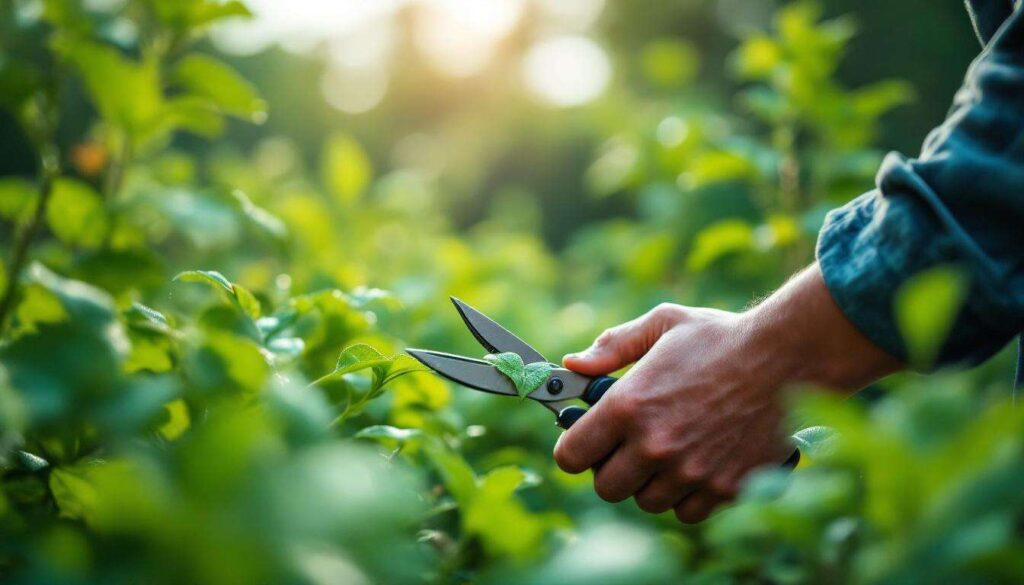
Autumn brings a critical window for garden maintenance, particularly when it comes to pruning. As temperatures drop and plants prepare for winter dormancy, strategic trimming can make the difference between lacklustre displays and spectacular blooms come spring. Gardening experts emphasise that certain plants benefit enormously from pre-November pruning, setting the stage for vigorous growth and abundant flowering in the months ahead. Understanding which plants require attention now and how to approach each one properly ensures your garden reaches its full potential next season.
Why prune before November ?
The science behind autumn pruning
Timing is everything in horticulture, and autumn pruning serves multiple essential purposes for plant health and performance. As plants enter dormancy, their energy shifts from foliage production to root development and storage. Pruning during this transitional period allows plants to redirect resources more efficiently, focusing on strengthening their foundation rather than maintaining excessive growth.
The cooler temperatures and reduced disease pressure in autumn create ideal conditions for wound healing. Unlike spring or summer cuts, which can attract pests and pathogens, autumn pruning minimises infection risks whilst giving plants adequate time to seal cuts before harsh winter weather arrives.
Benefits of pre-winter trimming
Strategic pruning before November delivers several advantages:
- Enhanced air circulation through the plant structure, reducing fungal disease risks
- Improved light penetration to lower branches and emerging buds
- Removal of damaged or diseased wood before winter storms cause further harm
- Stimulation of dormant buds that will produce next season’s flowers
- Better plant shape and structure for aesthetic appeal
These preparations ensure that when spring arrives, your plants emerge with renewed vigour and purpose, ready to produce their finest displays. With this foundation established, let’s examine which specific plants demand attention during this crucial period.
Roses: ensuring abundant blooming
Understanding rose pruning requirements
Roses respond exceptionally well to autumn pruning, particularly hybrid teas, floribundas, and climbing varieties. The goal is to reduce height by approximately one-third, which prevents wind rock during winter gales whilst encouraging strong basal growth. This preliminary trim differs from the more severe spring pruning, serving primarily as protective maintenance.
Proper technique for autumn rose care
Begin by removing any dead, diseased, or crossing branches that could harbour pests or rub against each other. Make clean cuts at a 45-degree angle, approximately 5mm above an outward-facing bud. This angle allows water to run off the cut surface, preventing rot.
| Rose type | Reduction percentage | Focus areas |
|---|---|---|
| Hybrid tea | 30-40% | Height reduction, weak stems |
| Floribunda | 25-35% | Cluster stems, overall shape |
| Climbing | 15-20% | Lateral shoots, wayward growth |
Sterilise your secateurs between plants to prevent disease transmission, using a solution of one part bleach to nine parts water. This simple precaution protects your entire rose collection from potential contamination.
Once roses are properly trimmed, attention can turn to another garden favourite that benefits from pre-winter attention.
Hydrangeas: maintaining their beauty throughout winter
Identifying which hydrangeas to prune
Not all hydrangeas require autumn pruning, making correct identification crucial. Hydrangea paniculata and Hydrangea arborescens varieties bloom on new wood and benefit from November trimming. Conversely, mophead and lacecap varieties (Hydrangea macrophylla) flower on old wood and should be left largely untouched until spring.
Autumn hydrangea maintenance strategy
For varieties that bloom on new wood, remove spent flower heads and reduce stems by approximately one-third. This encourages robust new growth from the base whilst maintaining an attractive winter silhouette. Focus on creating an open, vase-shaped structure that allows light and air to reach the plant’s centre.
The process involves:
- Cutting back to a pair of healthy buds
- Removing any thin, weak stems entirely
- Eliminating crossing branches that create congestion
- Preserving strong, well-positioned stems for framework
Leave some dried flower heads intact if you appreciate their architectural interest during winter months, but remove them by late February to allow new growth to emerge unimpeded. This balanced approach maintains both aesthetic appeal and plant health throughout the dormant season.
Moving from these substantial shrubs, another Mediterranean favourite requires timely intervention for optimal performance.
Lavenders: encouraging new spring growth
The importance of autumn lavender trimming
Lavender plants become woody and unproductive without regular pruning, and autumn presents the final opportunity to shape them before winter. This timing is particularly critical in regions with mild winters, where plants continue some growth even during cooler months. The objective is to remove spent flower stems whilst maintaining the plant’s compact, rounded form.
Executing the perfect lavender cut
Trim lavender stems back by approximately one-third, cutting just above where green growth meets woody stems. Never cut into old, brown wood, as lavender struggles to regenerate from these sections. This restraint ensures plants retain their vitality whilst achieving the desired shape.
Key considerations include:
- Using sharp, clean shears for precise cuts
- Working on a dry day to reduce disease risk
- Creating a dome shape that sheds water effectively
- Removing any damaged or diseased foliage
- Maintaining at least 10cm of green growth throughout
Young lavender plants require gentler treatment than established specimens, with only the flower stems removed during their first two years. This conservative approach allows them to develop strong root systems and robust framework before more aggressive shaping begins.
From these aromatic perennials, we turn to a climbing plant that rewards careful autumn attention with spectacular displays.
Clematis: promoting larger and more numerous flowers
Understanding clematis pruning groups
Clematis pruning can seem daunting due to the three distinct pruning groups that require different approaches. Group 1 varieties bloom on old wood and need minimal autumn intervention. Group 2 clematis produce flowers on both old and new wood, requiring moderate pruning. Group 3 varieties bloom exclusively on new wood and benefit most from pre-November cutting.
Autumn pruning for Group 3 clematis
For Group 3 clematis, which includes popular varieties like ‘Jackmanii’ and ‘Viticella’, cut all stems back to approximately 30cm from ground level. This seemingly drastic approach stimulates vigorous spring growth and abundant flowering. Make cuts just above a pair of strong buds, ensuring clean cuts that heal quickly.
| Clematis group | Autumn action | Expected result |
|---|---|---|
| Group 1 | Remove dead wood only | Early spring flowers on old wood |
| Group 2 | Light tidying, remove weak stems | Two flowering periods |
| Group 3 | Hard prune to 30cm | Abundant summer blooms on new growth |
After cutting, apply a layer of well-rotted compost around the base to protect roots and provide nutrients for spring growth. This mulch also helps maintain consistent soil moisture throughout winter, supporting healthy root development.
Having addressed the specific needs of these four plants, certain universal principles ensure successful outcomes across all pruning activities.
Expert tips for successful pruning
Essential tools and preparation
Quality tools make pruning easier and more effective. Sharp bypass secateurs handle stems up to 2cm diameter, whilst loppers tackle thicker growth. A pruning saw proves invaluable for substantial branches. Before beginning any pruning session, sterilise all tools with disinfectant solution to prevent disease transmission between plants.
Weather and timing considerations
Choose a dry, frost-free day for pruning activities. Wet conditions increase disease risks, whilst frozen stems can shatter rather than cut cleanly. Aim to complete pruning during mild autumn weather, allowing plants adequate time to seal wounds before hard frosts arrive.
Post-pruning care essentials
After pruning, implement these care practices:
- Clear away all pruned material to prevent disease harbourage
- Apply appropriate mulch around plant bases
- Water thoroughly if conditions are dry
- Monitor plants for signs of stress or disease
- Avoid fertilising, which encourages tender growth vulnerable to frost
Keep detailed records of pruning activities, noting dates, techniques used, and subsequent plant performance. This information proves invaluable for refining your approach in future seasons, helping you achieve increasingly impressive results year after year.
Pre-November pruning represents a crucial investment in your garden’s future performance. By addressing roses, hydrangeas, lavenders, and clematis during this optimal window, you establish conditions for exceptional displays throughout the coming year. These targeted interventions, combined with proper technique and appropriate aftercare, ensure your plants emerge from winter dormancy prepared to deliver their finest blooms. The effort invested now yields dividends in spring and summer, transforming your garden into a showcase of colour, fragrance, and vitality.