



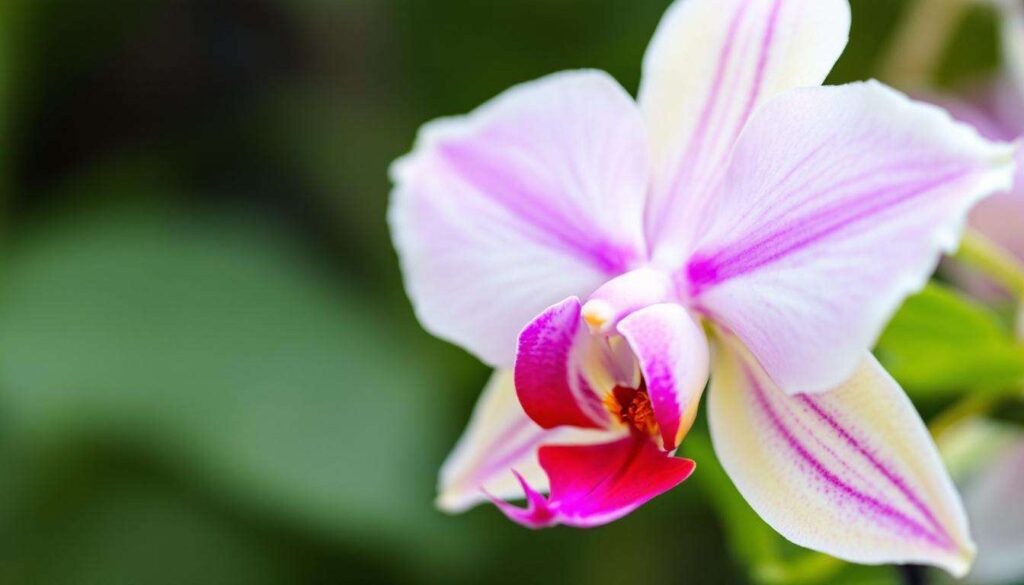
Orchids captivate gardeners and plant enthusiasts with their extraordinary beauty and remarkable diversity. With thousands of species and hybrids available, selecting the right varieties can transform any indoor space or garden into a botanical showcase. These elegant plants offer an impressive range of colours, shapes and fragrances that appeal to both novice growers and experienced horticulturists seeking to expand their collections.
Popular orchid varieties to grow indoors
Phalaenopsis: the beginner’s favourite
The moth orchid stands as the most accessible option for indoor cultivation. Its arching sprays of flowers bloom for months, displaying colours ranging from pure white to deep purple. This variety thrives in typical household conditions, requiring only indirect sunlight and moderate humidity levels.
- tolerates low light conditions better than most orchids
- blooms can last up to three months
- requires watering approximately once weekly
- adapts well to standard room temperatures
Cattleya: the fragrant showstopper
Often referred to as the corsage orchid, cattleyas produce large, spectacular blooms with intense fragrances. These plants demand slightly more attention than phalaenopsis but reward growers with stunning floral displays. They prefer bright, indirect light and benefit from good air circulation around their roots.
Oncidium: dancing elegance
The dancing lady orchid earns its name from flowers that appear to flutter on slender stems. These plants produce abundant blooms in yellow, brown and burgundy combinations. Oncidiums appreciate consistent moisture and bright light, making them ideal for well-lit windowsills.
| Variety | Light requirements | Bloom duration | Difficulty level |
|---|---|---|---|
| Phalaenopsis | Low to medium | 2-3 months | Easy |
| Cattleya | Bright indirect | 2-4 weeks | Moderate |
| Oncidium | Bright | 4-6 weeks | Easy to moderate |
These indoor varieties establish an excellent foundation for any orchid collection, whilst their diverse characteristics offer opportunities to explore different growing techniques and environmental preferences.
Ideal orchids for the garden
Cymbidium: the cool-climate champion
Garden enthusiasts in temperate regions find cymbidiums particularly rewarding. These robust orchids tolerate cooler temperatures and even light frost, producing tall spikes laden with waxy flowers. Their blooming period extends from winter through spring, providing colour when many other plants remain dormant.
- withstands temperatures down to 4°C
- produces 15-30 flowers per spike
- requires minimal protection in mild climates
- benefits from outdoor placement during summer months
Epidendrum: the versatile ground cover
The reed-stem epidendrum thrives in warmer garden settings, forming attractive clumps of cane-like stems topped with clusters of small, vibrant flowers. These orchids demonstrate remarkable resilience and can naturalise in suitable climates, creating permanent garden features.
Cypripedium: the woodland treasure
Native terrestrial orchids like cypripediums bring unique charm to shaded garden areas. These lady’s slipper orchids require specific soil conditions and cool root zones but reward patient gardeners with exquisite pouched flowers. They establish slowly but become increasingly impressive over time.
Garden cultivation extends orchid growing beyond windowsills, allowing these plants to integrate into broader landscape designs and interact with seasonal changes in natural light and temperature.
Rare and astounding orchids
Masdevallia: the high-altitude specialist
These extraordinary orchids originate from cloud forests and produce flowers with elongated sepals that create striking geometric shapes. Masdevallias prefer cool conditions and high humidity, making them challenging but rewarding for dedicated growers who can replicate their native environment.
Zygopetalum: the perfumed jewel
With distinctive markings and powerful fragrances, zygopetalums stand out in any collection. Their flowers combine green, burgundy and purple hues with intricate patterns on the lip. These orchids appreciate intermediate temperatures and consistent moisture throughout the year.
- produces intensely fragrant blooms
- displays unique colour combinations
- requires year-round watering
- prefers shadier conditions than many orchids
Vanda: the tropical marvel
The vanda orchid captivates with its vivid blue, purple and orange flowers. These plants grow with exposed roots and demand high light levels alongside substantial humidity. Vandas represent a commitment to specific care requirements but offer some of the most spectacular blooms in the orchid family.
Exploring rare varieties introduces growers to the incredible diversity within the orchid family and presents opportunities to develop specialised cultivation skills.
How to choose among different orchid varieties
Assessing your growing environment
Successful orchid selection begins with honest evaluation of available conditions. Consider the natural light levels in your space, typical temperature ranges and your ability to maintain humidity. Matching orchids to existing conditions proves far more effective than attempting to dramatically alter your environment.
| Environment type | Recommended varieties | Key considerations |
|---|---|---|
| Low light rooms | Phalaenopsis, Paphiopedilum | North-facing windows, offices |
| Bright indirect light | Cattleya, Oncidium, Dendrobium | East or west-facing exposure |
| High light areas | Vanda, Cymbidium | South-facing windows, conservatories |
Determining your commitment level
Different orchids demand varying degrees of attention. Beginners should prioritise forgiving varieties like phalaenopsis or epidendrum, which tolerate occasional care lapses. More experienced growers might embrace the challenges presented by temperamental species requiring precise conditions.
Considering aesthetic preferences
Orchid flowers vary tremendously in size, colour, pattern and fragrance. Some growers prefer the bold, large blooms of cattleyas, whilst others favour the delicate sprays of oncidiums or the unusual forms of paphiopedilums. Visiting orchid shows or nurseries helps identify personal preferences before making selections.
Thoughtful variety selection establishes the foundation for successful orchid cultivation and ensures that chosen plants align with both practical constraints and aesthetic aspirations.
Tips for maintaining your orchids
Watering techniques for optimal health
Proper watering represents the most critical aspect of orchid care. Most orchids prefer their growing medium to approach dryness between waterings. Water thoroughly until liquid drains freely, then allow adequate drying time. Overwatering causes root rot, whilst consistent underwatering leads to dehydration and poor growth.
- water early in the day to allow foliage to dry
- use room-temperature water to avoid shocking roots
- ensure pots provide excellent drainage
- adjust frequency based on seasonal temperature changes
Light management strategies
Understanding light requirements prevents common cultivation problems. Insufficient light results in dark green leaves and absent blooms, whilst excessive exposure causes yellowing and scorched foliage. Rotate plants regularly to ensure even growth and consider seasonal adjustments as sun angles change throughout the year.
Feeding and repotting schedules
Orchids benefit from regular fertilisation during active growth periods, typically spring through autumn. Use diluted orchid-specific fertilisers to avoid salt buildup. Repotting becomes necessary every two to three years when growing medium decomposes or plants outgrow containers. Fresh medium restores proper aeration and drainage essential for healthy root systems.
Orchids offer remarkable diversity and beauty that can enhance any growing space. From the easy-care phalaenopsis perfect for beginners to the challenging masdevallia that tests experienced growers, these plants provide options for every skill level and environment. Selecting varieties suited to available conditions and committing to appropriate care routines ensures success. Whether displayed on windowsills, in conservatories or integrated into garden landscapes, orchids reward attentive cultivation with stunning floral displays that justify their enduring popularity amongst plant enthusiasts.