



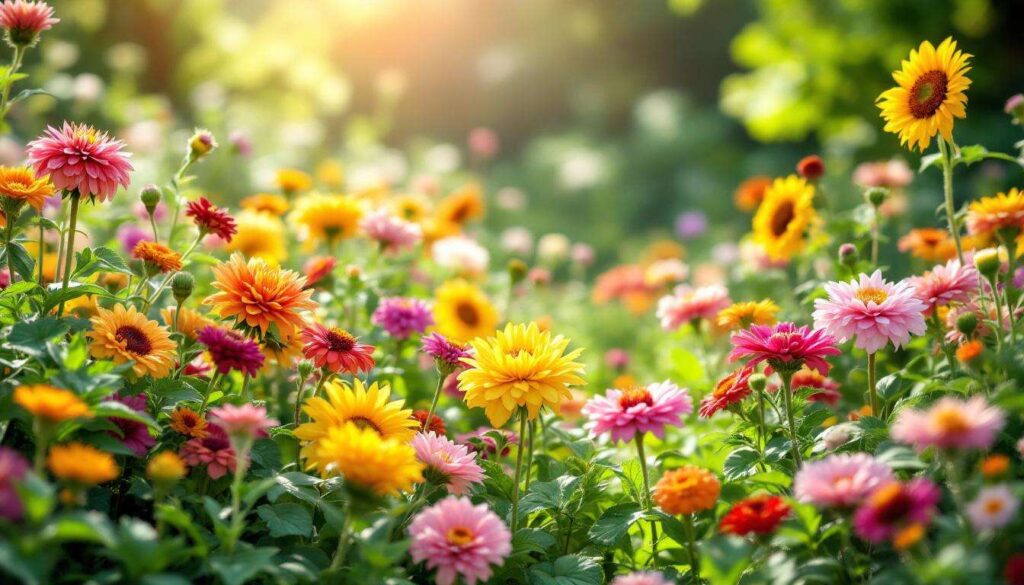
Creating beautiful bouquets from your own garden is one of the most rewarding aspects of growing flowers. A well-planned cutting patch provides an endless supply of fresh blooms throughout the seasons, allowing you to fill your home with colour and fragrance whilst saving money on shop-bought arrangements. The key to success lies in selecting the right varieties that not only look stunning in a vase but also offer longevity and ease of cultivation. From classic dahlias to fragrant sweet peas, certain flowers consistently deliver exceptional results for both novice and experienced gardeners alike.
Must-haves for a cutting flower garden
Choosing the perfect location
The foundation of a successful cutting flower garden begins with selecting an appropriate site. Even a modest space can yield impressive results if positioned correctly. A sunny spot receiving at least six hours of direct sunlight daily is essential for most cutting flowers to thrive and produce abundant blooms. The soil should be well-drained yet moisture-retentive, enriched with organic matter to provide the nutrients necessary for vigorous growth.
Planning your space efficiently
When designing your cutting patch, consider dedicating at least 50% of the area to foliage. This often-overlooked element is crucial for creating professional-looking arrangements. Foliage provides structure, fills gaps between flowers, and helps showcase the blooms themselves. Without adequate greenery, bouquets can appear sparse and unfinished, regardless of how beautiful the individual flowers may be.
Essential tools and preparation
Preparing your cutting garden requires some basic equipment and planning:
- Sharp secateurs or scissors for clean cuts that promote plant health
- Buckets filled with fresh water for immediate stem placement
- Compost and organic fertiliser to enrich the soil
- Support structures such as stakes or netting for tall varieties
- A dedicated cutting area separate from ornamental borders
Soil preparation should ideally begin in autumn, particularly if you plan to grow sweet peas. Working the ground in October allows it to settle and become friable by spring planting time, ensuring optimal conditions for root development.
With your space properly prepared and equipped, you can now focus on selecting the specific varieties that will form the backbone of your cutting garden throughout the warmer months.
Essential flowers for summer bouquets
Dahlias: the star performers
No cutting garden is complete without dahlias, which reign supreme for their versatility and productivity. The variety ‘Ivanetti’ deserves particular mention for its rounded shape and exceptional vase life, making it a reliable choice for arrangements that last. Dahlias bloom prolifically from midsummer until the first frosts, with regular cutting actually encouraging more flowers to form. They come in an astonishing array of colours, sizes, and forms, from dinner-plate giants to delicate pompons.
Sweet peas: fragrance and beauty combined
Sweet peas are indispensable for their exquisite fragrance and colour diversity. Starting seeds in January ensures a spectacular summer display, though autumn preparation of the planting site is equally important. These climbers require support but reward the effort with continuous blooms when picked regularly. Their delicate appearance belies their hardiness, and they perform admirably even in less-than-perfect conditions.
Reliable summer bloomers
Several other varieties deserve space in your summer cutting patch:
- Sweet William: particularly reliable in allotment settings, producing clusters of colourful, lightly scented flowers with minimal maintenance
- Gladioli: whilst requiring more cultivation effort, they provide dramatic height and architectural interest to arrangements
- Cornflowers: easy to grow from seed and offering vibrant blues that complement almost any colour scheme
- Cosmos: incredibly productive plants that keep flowering until frost if deadheaded regularly
| Flower | Vase Life | Difficulty Level | Blooming Period |
|---|---|---|---|
| Dahlia ‘Ivanetti’ | 7-10 days | Moderate | July-October |
| Sweet Peas | 5-7 days | Easy | June-September |
| Sweet William | 7-14 days | Easy | May-July |
| Gladioli | 7-10 days | Moderate | July-September |
Understanding how to care for these plants properly ensures they continue producing flowers throughout the season rather than exhausting themselves after one flush of blooms.
Tips for maintaining your flower patch
The importance of regular cutting
One of the most beneficial practices for a cutting garden is frequent harvesting. Contrary to what might seem intuitive, regularly cutting flowers stimulates further growth and encourages plants to produce more blooms. Most cutting flowers operate on a “cut-and-come-again” principle, where removing spent or mature flowers signals the plant to create new buds. Aim to harvest at least twice weekly during peak season.
Watering and feeding requirements
Cutting flowers are typically hungry and thirsty plants, especially when producing abundant blooms. Consistent watering is crucial, particularly during dry spells, as stressed plants will cease flowering or produce inferior blooms. A weekly feed with a balanced liquid fertiliser maintains vigour throughout the growing season. Mulching around plants helps retain moisture, suppress weeds, and gradually improves soil structure as it breaks down.
Pest and disease management
Maintaining plant health requires vigilance against common problems:
- Inspect plants regularly for aphids, particularly on sweet peas and dahlias
- Remove any diseased foliage promptly to prevent spread
- Ensure adequate spacing between plants for good air circulation
- Avoid overhead watering which can encourage fungal diseases
- Encourage beneficial insects by including some nectar-rich flowers
Succession planting for continuous supply
To ensure a steady supply of flowers rather than a glut followed by scarcity, practice succession planting. Sow fast-growing annuals like cornflowers and cosmos every three weeks from spring onwards. This staggered approach guarantees fresh blooms throughout summer rather than everything flowering simultaneously.
Beyond cultivated varieties, incorporating wildflowers into your cutting patch adds a naturalistic element that complements more formal blooms beautifully.
The timeless charm of wildflowers
Why include wildflowers
Wildflowers bring an informal, romantic quality to arrangements that cultivated varieties sometimes lack. Their natural grace and movement create bouquets with character and spontaneity. Additionally, wildflowers typically require less maintenance than hybrid varieties, making them ideal for gardeners seeking lower-input options. Many also support pollinators, contributing to garden biodiversity whilst providing cutting material.
Best wildflowers for cutting
Several wildflower species excel in the cutting garden:
- Scabious: delicate, pincushion-like flowers in shades of blue, pink, and white with excellent vase life
- Ox-eye daisies: cheerful, classic flowers that epitomise summer meadows
- Ammi majus: provides airy, white umbels similar to cow parsley but more robust for cutting
- Nigella: offers both attractive flowers and interesting seedheads for textural variety
Creating a wildflower meadow effect
For a naturalistic approach, dedicate a section of your cutting patch to a mini wildflower meadow. Prepare the ground by removing perennial weeds, then scatter a wildflower seed mix suited to your soil type. These areas require minimal intervention once established, needing only an annual cut after seeds have dispersed. The resulting blooms provide abundant material for relaxed, country-style arrangements throughout summer.
Extending your cutting garden’s productivity beyond summer requires careful planning and selection of varieties suited to different seasons.
Create stunning bouquets in every season
Spring cutting flowers
Early in the year, focus on bulbs and biennials that provide fresh material when little else is available. Tulips offer extraordinary variety in form and colour, whilst narcissi bring cheerful yellows and whites. Biennials sown the previous summer, such as wallflowers and forget-me-nots, bridge the gap between winter and summer bloomers.
Autumn and winter options
As summer fades, dahlias continue performing until frost, but other options extend the season further. Chrysanthemums provide rich autumnal tones, whilst ornamental grasses add texture and movement. For winter, evergreen foliage becomes invaluable, supplemented by berried branches and seedheads left standing from summer flowers. Hellebores offer precious winter blooms in sheltered positions.
Year-round foliage selection
Maintaining a diverse foliage palette ensures you can create arrangements regardless of flower availability:
- Eucalyptus for silvery, aromatic leaves
- Pittosporum for glossy, evergreen foliage
- Molucella (bells of Ireland) for architectural green spikes
- Various herbs like rosemary and sage for fragrance and texture
Understanding the practicalities of maintaining a productive cutting garden helps address common concerns and challenges.
FAQ on maintaining a cutting flower garden
How much space do I need for a cutting garden ?
A productive cutting garden can be established in surprisingly little space. Even a plot measuring just 2 by 3 metres can yield substantial quantities of flowers when planted intensively. The key is selecting productive varieties and maximising vertical space with climbers like sweet peas. Container growing also works well for smaller gardens, particularly for dahlias and other statement flowers.
When should I cut flowers for longest vase life ?
The optimal time for cutting is early morning when stems are fully hydrated. Avoid cutting during the heat of the day when plants are stressed. Use sharp, clean tools and immediately plunge stems into water. Remove lower leaves that would sit below the waterline, and recut stems at an angle before arranging.
How do I prevent my cutting garden looking bare ?
Regular harvesting need not leave your garden looking depleted if you plan strategically. Plant in blocks rather than rows, allowing you to cut from less visible areas. Incorporate foliage plants that can be harvested repeatedly without compromising appearance. Quick-growing annuals fill gaps rapidly when succession planted.
What are the biggest mistakes beginners make ?
Common pitfalls include:
- Planting insufficient quantities of each variety
- Neglecting foliage in favour of flowers only
- Failing to deadhead or harvest regularly
- Inadequate soil preparation before planting
- Choosing varieties unsuited to local conditions
A well-maintained cutting garden provides endless pleasure through both the growing process and the beautiful arrangements it yields. By selecting reliable varieties like dahlias and sweet peas, dedicating adequate space to foliage, and maintaining plants through regular cutting and feeding, you can create stunning bouquets throughout the seasons. Whether incorporating wildflowers for naturalistic charm or focusing on cultivated varieties for formal arrangements, the key lies in understanding each plant’s requirements and working with nature’s rhythms. The investment of time and effort rewards you with fresh, fragrant flowers that bring joy to your home whilst connecting you intimately with the changing seasons.