



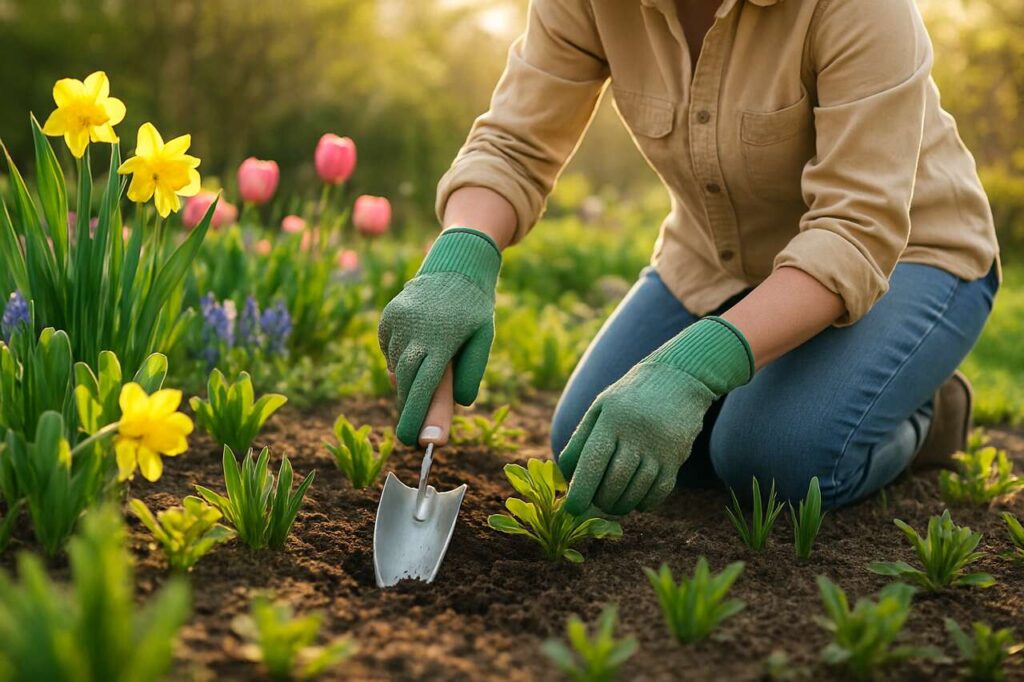
The late winter months present gardeners with a crucial window of opportunity to lay the groundwork for a spectacular spring display. As temperatures begin to rise and daylight hours extend, the garden awakens from its dormant state, demanding attention and preparation. Tackling essential tasks now can make the difference between a lacklustre spring and a garden that thrives with colour, vigour, and abundant blooms. From soil preparation to strategic planting, these ten garden jobs will transform your outdoor space into a flourishing haven as the seasons change.
Preparing the soil for spring
Clearing winter debris and weeds
The first step towards a successful spring garden involves thorough clearance of accumulated debris from winter months. Dead leaves, fallen branches, and decaying plant matter can harbour pests and diseases that threaten emerging growth. Remove these materials carefully, checking beneath them for any signs of slug eggs or overwintering insects that might damage young plants.
Weeds often establish themselves during milder winter spells, and tackling them now prevents competition for nutrients once spring planting begins. Hand-pull weeds whilst the soil remains relatively moist, ensuring roots are removed completely to prevent regrowth. Pay particular attention to perennial weeds such as dandelions and bindweed, which can quickly dominate beds if left unchecked.
Enriching soil structure and fertility
Soil improvement represents one of the most valuable investments for spring success. Incorporating well-rotted organic matter such as compost, leaf mould, or farmyard manure significantly enhances soil structure, drainage, and nutrient content. Apply a generous layer of approximately 5-10 centimetres across beds and borders, then fork it gently into the top layer of soil.
For heavy clay soils, adding horticultural grit alongside organic matter improves drainage and prevents waterlogging. Sandy soils benefit particularly from organic amendments, which increase water retention and provide essential nutrients. Consider testing soil pH levels now, as this allows time to make adjustments before planting commences.
| Soil type | Amendment needed | Application rate |
|---|---|---|
| Clay | Compost + grit | 10 cm layer + 5 litres grit per square metre |
| Sandy | Well-rotted manure | 10-15 cm layer |
| Loam | Garden compost | 5-7 cm layer |
With soil preparation complete, attention can turn to introducing the first splashes of spring colour through carefully selected flowering plants.
Sowing annual flowering plants
Selecting appropriate varieties for early sowing
Late winter offers the perfect moment to sow hardy annual seeds that will provide abundant blooms throughout spring and summer. Varieties such as cornflowers, ammi majus, calendula, and nigella germinate readily in cooler conditions and establish strong root systems before warmer weather arrives. These plants often perform better than later sowings, producing more robust growth and extended flowering periods.
For gardeners with heated propagators or greenhouses, half-hardy annuals including cosmos, zinnias, and tithonia can be started now. These heat-loving plants require protection from frost but benefit from an early start, allowing them to reach flowering size more quickly once transplanted outdoors after the last frost date.
Sowing techniques for optimal germination
Successful seed sowing depends upon proper technique and environmental conditions. Use quality seed compost rather than multipurpose compost, as its finer texture and lower nutrient content encourage better germination and root development. Fill modular trays or small pots, firm gently, and water thoroughly before sowing.
Follow these essential sowing guidelines for best results:
- Sow seeds at the depth recommended on the packet, typically two to three times their diameter
- Cover seeds lightly with vermiculite or sieved compost for improved moisture retention
- Label trays clearly with variety name and sowing date to track progress
- Place trays in appropriate temperature conditions, typically 15-18°C for hardy annuals
- Maintain consistent moisture without waterlogging by using a spray bottle or bottom watering
Staggered sowings every two weeks prevent all seedlings maturing simultaneously, reducing transplanting pressure and extending the flowering season. Beyond flowers, certain shrubs require attention to ensure they maintain their shape and vigour.
Pruning winter flowering shrubs
Identifying shrubs requiring late winter pruning
Several popular winter-flowering shrubs benefit from pruning immediately after their blooms fade. This timing allows plants to direct energy into new growth that will carry next season’s flowers. Key candidates include winter jasmine, mahonia, and certain varieties of viburnum that have completed their flowering cycle.
Distinguishing between shrubs that flower on old wood versus new wood determines appropriate pruning timing. Winter-flowering varieties typically bloom on growth produced the previous year, so pruning now removes spent flowering stems whilst preserving time for new shoots to develop and mature before next winter.
Correct pruning methods for different shrub types
Winter jasmine responds well to hard pruning, which maintains compact growth and encourages abundant flowering shoots. Remove approximately one-third of the oldest stems entirely, cutting back to ground level or a strong side shoot. Trim remaining stems by one-third to one-half their length, making cuts just above an outward-facing bud.
For mahonia species, adopt a more conservative approach. Remove any damaged, diseased, or crossing branches to improve air circulation and overall structure. Leggy specimens can be rejuvenated by cutting one in three stems back hard, spreading this renovation over three years to avoid shocking the plant.
| Shrub | Pruning method | Amount to remove |
|---|---|---|
| Winter jasmine | Hard prune after flowering | One-third of old stems, trim remainder by half |
| Mahonia | Light renovation | Remove damaged stems, cut one in three hard |
| Winter viburnum | Selective thinning | Remove weak growth, shape lightly |
As shrubs receive their annual maintenance, thoughts turn to introducing summer colour through strategic bulb planting.
Planting summer flowering bulbs
Choosing bulbs for summer impact
Late winter marks the ideal time to plant tender summer-flowering bulbs that will create spectacular displays from midsummer onwards. Gladioli, dahlias, lilies, and crocosmia all benefit from early planting, establishing root systems before producing dramatic flower spikes and blooms. These bulbs cannot tolerate frost, so timing depends upon local climate conditions and soil temperature.
Consider the height, colour, and flowering period of different varieties when planning combinations. Tall gladioli provide vertical interest at the back of borders, whilst compact dahlia varieties suit containers and front positions. Lilies offer intoxicating fragrance alongside elegant blooms, making them valuable additions to cutting gardens and patio displays.
Planting techniques for summer bulbs
Proper planting depth and soil preparation ensure vigorous growth and abundant flowering. Most summer bulbs require planting at a depth approximately three times their height, though specific requirements vary by type. Improve drainage in heavy soils by incorporating grit or sharp sand into the planting hole, as waterlogged conditions cause bulb rot.
Follow this systematic planting approach:
- Select a site receiving at least six hours of direct sunlight daily
- Dig holes to the appropriate depth, checking packet instructions for specific varieties
- Add a handful of bone meal or bulb fertiliser to the base of each hole
- Place bulbs with growing points facing upwards, spacing according to mature size
- Backfill with soil, firm gently, and water thoroughly if conditions are dry
- Mark planting positions to avoid accidental damage when cultivating beds
For dahlia tubers, plant with the crown just below soil level, providing support stakes at planting time to avoid root damage later. Whilst establishing these future displays, existing plants require protection from lingering cold weather.
Protecting plants from frost
Identifying vulnerable plants
Despite advancing towards spring, late frosts pose significant threats to tender growth and early-flowering plants. Newly emerged shoots on perennials, young foliage on shrubs, and blossoms on fruit trees all suffer damage when temperatures plummet unexpectedly. Camellias prove particularly susceptible, as their flowers blacken and collapse following frost exposure.
Container-grown plants face heightened risk because roots lack the insulation provided by surrounding ground soil. Tender perennials, recently planted specimens, and any plants of borderline hardiness require vigilant monitoring and protection during cold snaps predicted in weather forecasts.
Effective frost protection methods
Multiple strategies exist for safeguarding plants against frost damage. Horticultural fleece provides lightweight, breathable protection that traps warmth whilst allowing light and moisture penetration. Drape fleece over vulnerable plants as evening approaches, securing edges with stones or pegs to prevent wind displacement.
For larger shrubs and small trees, consider these protection options:
- Wrap stems and branches with hessian or bubble wrap, securing with garden twine
- Create protective cages using bamboo canes and fleece for individual specimens
- Move container plants to sheltered positions against house walls or under eaves
- Group containers together, as collective mass provides mutual insulation
- Mulch around plant bases with bark, straw, or compost to insulate root zones
Remove protection during daylight hours when temperatures rise above freezing, preventing excessive humidity and fungal issues. Achieving garden success requires not only protecting plants but also ensuring tools remain in optimal condition.
Maintaining gardening tools
Cleaning and inspecting equipment
Winter’s end provides the perfect opportunity to service gardening tools before the busy spring season commences. Tools accumulate rust, dirt, and plant residues during storage, compromising their effectiveness and potentially spreading diseases between plants. Begin by removing soil and debris using a stiff brush and warm soapy water, paying particular attention to cutting edges and joints.
Inspect each tool carefully for signs of damage, wear, or deterioration. Check wooden handles for cracks or splinters that might cause injury during use. Examine metal components for rust spots, loose fixings, or blunt edges requiring attention. Identifying problems now prevents frustration and potential accidents when tools are needed urgently during peak gardening periods.
Sharpening and protecting tools
Sharp tools make gardening tasks easier, produce cleaner cuts that heal faster, and reduce physical strain during use. Secateurs, shears, hoes, and spades all benefit from proper sharpening. Use a sharpening stone or file appropriate to the tool type, maintaining the original blade angle whilst removing nicks and restoring the cutting edge.
Apply these maintenance steps for long-lasting tools:
- Remove rust using wire wool or a rust remover product
- Sharpen blades following manufacturer recommendations
- Oil metal parts with linseed oil or specialist tool oil to prevent corrosion
- Tighten loose screws, bolts, and rivets on all equipment
- Sand and treat wooden handles with linseed oil for weather protection
- Disinfect cutting tools with diluted bleach or methylated spirits
Store tools in a dry location, hanging them where possible to prevent ground contact and moisture absorption. Well-maintained equipment performs reliably throughout the demanding months ahead, supporting all the preparatory work undertaken during this crucial period.
These ten essential garden jobs create a solid foundation for spring success. By preparing soil thoroughly, sowing seeds strategically, pruning appropriately, planting bulbs for summer colour, protecting vulnerable plants, and maintaining tools properly, gardeners position themselves for a season of abundant growth and spectacular displays. The effort invested now yields rewards throughout the coming months, transforming outdoor spaces into vibrant, thriving environments that provide beauty, productivity, and satisfaction as spring unfolds and summer approaches.