


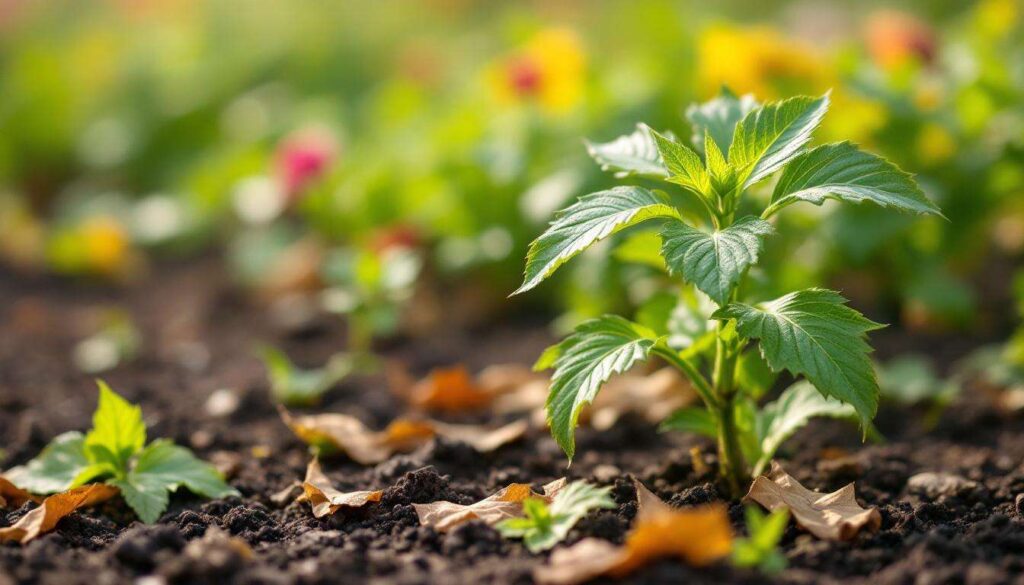
Drooping leaves send many gardeners rushing for the watering can, convinced their plants are crying out for moisture. Yet experienced horticulturists frequently encounter a paradox: plants displaying wilted, sagging foliage despite sitting in thoroughly damp soil. This counterintuitive situation reveals a critical truth about plant physiology that challenges conventional wisdom. When roots become waterlogged, they suffocate from lack of oxygen, triggering symptoms remarkably similar to drought stress. Understanding this distinction proves essential for anyone seeking to maintain thriving gardens and healthy houseplants.
Understanding the phenomenon of drooping leaves
The mechanics of leaf structure and turgor pressure
Plant leaves maintain their upright position through turgor pressure, a hydraulic force created when water fills individual cells. This pressure pushes cell walls outward, creating the rigidity that keeps foliage firm and erect. When this internal water pressure diminishes, leaves lose their structural support and begin to droop. The critical question becomes: what causes this loss of turgor ?
Why roots determine leaf health
The root system functions as the plant’s lifeline, performing several vital tasks:
- Absorbing water and dissolved nutrients from surrounding soil
- Anchoring the plant securely in its growing medium
- Storing energy reserves for periods of stress
- Conducting respiration, which requires oxygen just as animal tissues do
When roots cannot function properly, they fail to transport adequate water upward through the plant’s vascular system. This breakdown in the supply chain causes leaves to wilt, regardless of how much moisture surrounds the roots. The appearance of drooping foliage thus serves as a symptom rather than a diagnosis, pointing towards underlying root problems that demand investigation.
Recognising that leaf condition reflects root health rather than soil moisture alone leads gardeners towards more accurate problem-solving approaches.
The causes of root suffocation
Oxygen deprivation in waterlogged soil
Healthy soil contains air pockets between particles, creating spaces where oxygen circulates freely. Roots require this oxygen to perform cellular respiration, the process that generates energy for nutrient uptake and growth. When excessive water fills every available gap in the soil structure, it displaces air and creates anaerobic conditions. Roots literally drown, unable to access the oxygen necessary for survival.
The progression of root rot
Waterlogged conditions create an ideal environment for pathogenic organisms. Fungi and bacteria that thrive in oxygen-poor, moisture-rich settings rapidly colonise stressed roots. The resulting infection, commonly called root rot, follows a destructive pattern:
| Stage | Root condition | Visible symptoms |
|---|---|---|
| Early | Outer root tissues soften | Slight wilting despite moist soil |
| Intermediate | Brown discolouration appears | Yellowing leaves, persistent drooping |
| Advanced | Roots become mushy, dark, malodorous | Severe wilting, leaf drop, potential plant death |
Contributing factors beyond watering frequency
Several conditions predispose plants to root suffocation:
- Poor drainage systems: containers without adequate drainage holes trap water at the bottom
- Compacted soil: dense growing medium restricts air circulation even when not saturated
- Oversized containers: excessive soil volume retains moisture far longer than roots can utilise it
- Heavy clay content: soil composition with minimal pore space prevents proper aeration
These structural issues explain why identical watering schedules produce different results across various planting situations, highlighting the complexity of moisture management.
Signs and symptoms of overwatering
Physical indicators in foliage
Overwatered plants display distinctive characteristics that careful observation can detect. Yellowing leaves frequently appear, particularly affecting younger growth first. Unlike nutrient deficiencies that typically show specific patterns, overwatering produces widespread chlorosis. The leaves often feel soft and limp rather than crisp, with a texture suggesting cellular breakdown rather than simple dehydration.
Soil and root examination
Investigating below the surface reveals telling evidence:
- Soil remains consistently soggy days after watering
- A sour or unpleasant odour emanates from the growing medium
- Roots appear dark brown or black instead of healthy white or tan
- Root tissues slide off easily when gently tugged, leaving thread-like cores
- Fungal growth or algae develop on the soil surface
Environmental context
Temperature plays a surprising role in overwatering scenarios. When soil temperatures reach between 27°C and 29°C, plants experience heat stress that causes wilting. Well-meaning gardeners often interpret this as drought and respond with increased watering, inadvertently creating waterlogged conditions that compound the problem. This cycle demonstrates how environmental factors interact with watering practices to produce root suffocation.
Distinguishing these overwatering symptoms from other plant health issues requires understanding how different moisture levels affect plant behaviour.
Differences between lack of water and excess water
Contrasting symptoms in leaf appearance
Though both conditions cause drooping, subtle differences exist. Underwatered plants typically display crispy, dry leaf edges that crumble when touched. The entire plant appears desiccated, with leaves curling inward to reduce surface area. Conversely, overwatered specimens show soft, pliable leaves that may develop brown spots or patches. The wilting appears paradoxical given the moist soil conditions.
Recovery response patterns
The plant’s reaction to intervention provides diagnostic clues:
| Condition | Response to watering | Recovery timeframe |
|---|---|---|
| Underwatered | Rapid improvement within hours | Leaves perk up noticeably by next day |
| Overwatered | No improvement or worsening | Prolonged decline despite continued moisture |
Soil moisture assessment techniques
Reliable evaluation methods include:
- Inserting a finger 5-7 centimetres into soil to check moisture below the surface
- Using a moisture metre for objective readings
- Observing soil colour, as darker tones indicate wetness
- Lifting containers to gauge weight, with heavy pots suggesting saturation
These practical approaches enable gardeners to make informed decisions rather than relying on guesswork or rigid schedules, paving the way for preventative strategies.
Advice to avoid root suffocation
Selecting appropriate containers and soil
Drainage holes represent non-negotiable features for container gardening. Multiple holes distributed across the pot base allow excess water to escape freely. Choosing containers proportionate to plant size prevents unnecessary moisture retention. The growing medium itself demands equal attention: quality potting mixes incorporate materials like perlite, vermiculite, or coarse sand that maintain structure and promote aeration even when wet.
Monitoring and adjusting watering routines
Abandoning fixed schedules in favour of responsive watering proves crucial. Plants require different moisture levels depending on:
- Growth stage and seasonal activity
- Current weather patterns and humidity levels
- Container size and material composition
- Species-specific requirements and drought tolerance
Seedlings and actively growing plants generally need more frequent watering than established specimens with extensive root systems. Conversely, dormant plants require minimal moisture.
Improving existing growing conditions
For plants already in place, several modifications can enhance drainage. Adding a layer of gravel beneath soil creates a reservoir that prevents roots from sitting in standing water. Aerating compacted soil by gently loosening it with a fork introduces air pockets. Repotting into fresh, well-draining medium often proves necessary when soil has become degraded or excessively dense.
Implementing these preventative measures creates the foundation for watering practices that support rather than harm root systems.
Recommended watering practices to maintain plant health
The soil-check method
Rather than watering on predetermined days, checking soil conditions before each watering session prevents both under and overwatering. Allow the top layer to dry slightly between waterings, with exact depth varying by plant type. Succulents and cacti tolerate extended dry periods, whilst ferns and tropical species prefer consistently moist conditions without waterlogging.
Proper watering technique
Application method significantly impacts water distribution and root health:
- Water thoroughly until liquid drains from bottom holes, ensuring complete soil saturation
- Empty saucers and trays within 30 minutes to prevent reabsorption
- Apply water directly to soil rather than foliage to reduce disease risk
- Water during morning hours when possible, allowing excess to evaporate during the day
Seasonal and environmental adjustments
Watering frequency must adapt to changing conditions. Summer heat and active growth increase water demands, whilst winter dormancy and reduced light levels decrease consumption. Indoor heating systems create dry air that accelerates moisture loss, whilst humid conditions slow evaporation. Observing plant responses rather than following rigid rules enables gardeners to calibrate their approach to actual needs.
Understanding these principles transforms watering from a routine task into an informed practice that sustains plant vitality.
The widespread assumption that drooping leaves always signal thirst has led countless gardeners to inadvertently harm their plants through excessive watering. Recognising root suffocation as a common cause of wilting enables more accurate diagnosis and appropriate intervention. Proper drainage, quality growing medium, and responsive watering practices based on soil assessment rather than schedules form the cornerstone of healthy root systems. By distinguishing between the symptoms of overwatering and underwatering, and understanding how environmental factors influence plant water needs, gardeners can avoid the damaging cycle of root rot whilst maintaining vibrant, thriving plants throughout the seasons.