


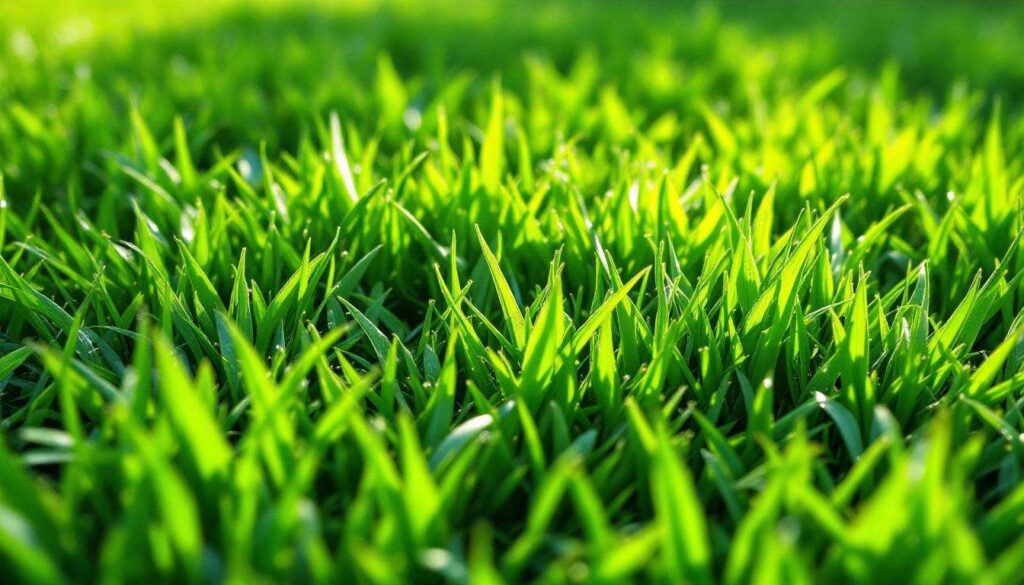
Achieving a lush, vibrant lawn requires more than just regular mowing and watering. Professional groundskeepers have long relied on a technique that remains surprisingly underutilised by homeowners: spreading sand across grass surfaces. This practice, known as lawn sanding or topdressing, offers remarkable benefits for soil structure, drainage, and overall turf health. Whether you’re battling compacted soil, uneven surfaces, or simply seeking to enhance your lawn’s resilience, understanding the fundamentals of this technique can transform your outdoor space into a thriving green carpet.
What is Lawn Sanding ?
Lawn sanding, also referred to as topdressing, involves applying a thin layer of sand or sand-based mixture evenly across your grass. This horticultural practice serves multiple purposes, from improving soil composition to levelling minor surface irregularities. The technique has been employed on golf courses and sports fields for decades, and its effectiveness has gradually made it popular among residential lawn enthusiasts.
The Science Behind Topdressing
The process works by introducing coarse particles into the upper soil layer, which creates channels for improved air circulation and water penetration. When sand settles between grass blades and reaches the soil surface, it gradually incorporates into the existing substrate. This integration modifies the soil’s physical properties, particularly in lawns with heavy clay content that tends to compact easily. The sand particles prevent soil aggregates from binding too tightly, maintaining porous spaces essential for root development.
When to Consider Lawn Sanding
Several conditions indicate that your lawn would benefit from this treatment:
- Persistent waterlogging after rainfall
- Visible thatch accumulation exceeding 12 millimetres
- Compacted soil that resists aeration
- Uneven surface with minor depressions
- Clay-heavy soil that cracks during dry periods
Understanding these applications helps determine whether your lawn requires this intervention and sets the foundation for exploring its specific advantages.
The Benefits of Sanding Your Lawn
Implementing a proper sanding programme delivers measurable improvements to lawn health and appearance. These benefits accumulate over time, with many homeowners noticing visible changes within a single growing season.
Enhanced Drainage and Aeration
The primary advantage lies in improved water management. Sand particles create drainage pathways that prevent surface pooling, reducing the risk of fungal diseases and root rot. Simultaneously, the increased porosity allows oxygen to reach root zones more effectively, promoting vigorous growth and deeper root penetration. Lawns with better aeration demonstrate greater drought tolerance and recover more quickly from stress.
Soil Structure Modification
For properties with predominantly clay soil, sand incorporation gradually transforms the growing medium into a more balanced loam. This modification offers several advantages:
| Soil Property | Before Sanding | After Regular Sanding |
|---|---|---|
| Water retention | Excessive | Optimal |
| Compaction resistance | Low | High |
| Root penetration depth | Shallow (5-8 cm) | Deep (12-15 cm) |
| Nutrient availability | Variable | Consistent |
Surface Levelling and Thatch Management
Minor undulations and shallow depressions can be gradually corrected through strategic sand application. The material fills low spots without smothering grass, creating a smoother playing or walking surface. Additionally, sand helps manage thatch by encouraging microbial decomposition and preventing the spongy layer from becoming problematic. These combined effects contribute to a more professional-looking lawn that requires less intensive maintenance.
With these compelling benefits established, selecting the appropriate material becomes the next critical consideration.
How to Choose the Right Sand for Your Lawn
Not all sand products suit lawn applications equally. The particle size, composition, and purity significantly impact results, making informed selection essential.
Recommended Sand Types
Sharp sand or horticultural sand represents the gold standard for lawn topdressing. These products feature angular particles typically ranging from 0.5 to 2 millimetres in diameter. The irregular shape prevents excessive compaction whilst maintaining adequate drainage properties. Avoid beach sand or builder’s sand, as these often contain salt residues, excessive fine particles, or inappropriate pH levels that can damage grass.
Sand Specifications to Consider
Professional-grade topdressing sand should meet specific criteria:
- Particle size distribution: predominantly medium to coarse grains
- Minimal silt and clay content (less than 5 per cent)
- Neutral pH between 6.5 and 7.5
- Free from weed seeds, debris, and contaminants
- Consistent moisture content for even spreading
Blended Topdressing Options
Many lawn care specialists recommend sand-soil-compost blends rather than pure sand. These mixtures typically contain 70 per cent sand, 20 per cent topsoil, and 10 per cent organic matter. The combination provides drainage benefits whilst maintaining nutrient content and supporting beneficial microorganisms. For established lawns with reasonable existing soil, a 80:20 sand-to-compost ratio often proves ideal.
Once you’ve secured appropriate materials, proper application technique determines success.
Steps for Effective Lawn Sanding
Executing this technique correctly requires careful preparation and methodical application. Rushing the process or skipping preparatory steps diminishes potential benefits.
Timing Your Application
Schedule sanding during active growth periods when grass can quickly grow through the applied layer. For cool-season grasses, early autumn or mid-spring provides optimal conditions. Warm-season varieties respond best to late spring applications after consistent growth resumes. Avoid sanding during dormancy, extreme heat, or drought stress.
Preparation Protocol
Before spreading sand, complete these preparatory tasks:
- Mow the lawn shorter than usual (approximately 2.5 centimetres)
- Remove clippings and debris thoroughly
- Perform core aeration if soil compaction exists
- Address any pest or disease issues
- Water the lawn lightly the day before application
Application Technique
Distribute sand using a drop spreader or by hand for smaller areas. Apply approximately 3 to 5 millimetres depth, ensuring grass blades remain at least 50 per cent visible. Excessive coverage smothers turf and creates bare patches. Use a stiff brush, drag mat, or the back of a rake to work sand into the grass canopy, distributing it evenly across the surface. For uneven areas, apply slightly more material to low spots whilst maintaining visibility of surrounding grass.
Post-Application Care
Water the lawn gently but thoroughly after spreading to help sand settle. Maintain regular irrigation for the following fortnight to support grass recovery. Resume normal mowing once blades reach appropriate height, typically within 7 to 10 days. These careful procedures maximise effectiveness, though certain pitfalls still require attention.
Common Mistakes to Avoid When Sanding Your Lawn
Even well-intentioned homeowners frequently make errors that undermine results or damage their turf. Recognising these missteps helps ensure successful implementation.
Excessive Application Depth
The most prevalent mistake involves applying too much material in a single session. Layers exceeding 6 millimetres can smother grass, blocking photosynthesis and causing die-back. If significant levelling is required, build up gradually over multiple applications spaced several months apart rather than attempting dramatic correction immediately.
Using Inappropriate Materials
Selecting the wrong sand type produces disappointing outcomes:
| Inappropriate Material | Problem Created |
|---|---|
| Fine beach sand | Compaction and poor drainage |
| Builder’s sand with clay | Cement-like surface when wet |
| Contaminated fill sand | Weed introduction and pH issues |
| Pure topsoil | Thatch accumulation and compaction |
Neglecting Timing Considerations
Applying sand during dormancy or stress periods prevents grass from recovering properly. Similarly, sanding immediately before extended dry spells or heat waves compounds stress rather than alleviating it. Always verify that weather conditions and grass growth stage align with application requirements.
Skipping Preparation Steps
Failing to mow, aerate, or clear debris beforehand reduces sand penetration and effectiveness. Proper groundwork ensures material reaches the soil surface where it provides maximum benefit rather than sitting atop thatch or tall grass blades. These preventable errors highlight the importance of methodical execution, which extends beyond the application itself.
Post-Sanding Maintenance: tips and Advice
Achieving lasting results requires appropriate follow-up care that supports grass recovery and maximises the treatment’s benefits.
Irrigation Management
Maintain consistent moisture during the recovery period without creating waterlogged conditions. Light, frequent watering helps sand settle whilst encouraging grass to grow through the new layer. After establishment, transition to deeper, less frequent irrigation that promotes robust root development in the improved soil structure.
Fertilisation Strategy
Apply a balanced fertiliser approximately two weeks after sanding once grass shows active growth. The improved soil structure enhances nutrient uptake, potentially requiring adjustments to your feeding programme. Monitor grass colour and vigour, reducing application rates if excessive growth occurs.
Ongoing Monitoring
Observe how your lawn responds over subsequent weeks:
- Check for even sand distribution and address any concentrated areas
- Monitor for signs of stress or disease
- Assess drainage improvements after rainfall
- Evaluate surface smoothness and identify remaining irregularities
- Plan future applications if additional treatment proves beneficial
Long-Term Programme Development
Consider establishing a regular topdressing schedule rather than treating it as a one-time intervention. Annual or biennial applications maintain soil improvements and prevent gradual deterioration. Most lawns benefit from light sanding every 12 to 18 months, with timing adjusted to grass type and local climate conditions.
Lawn sanding represents a powerful yet accessible technique for enhancing turf health and appearance. By understanding the process, selecting appropriate materials, applying them correctly, and avoiding common pitfalls, homeowners can achieve professional-quality results. The improved drainage, soil structure, and surface uniformity deliver lasting benefits that justify the modest investment of time and resources. Whether addressing specific problems or pursuing general improvement, this proven method offers a pathway to the resilient, attractive lawn that enhances any property.