

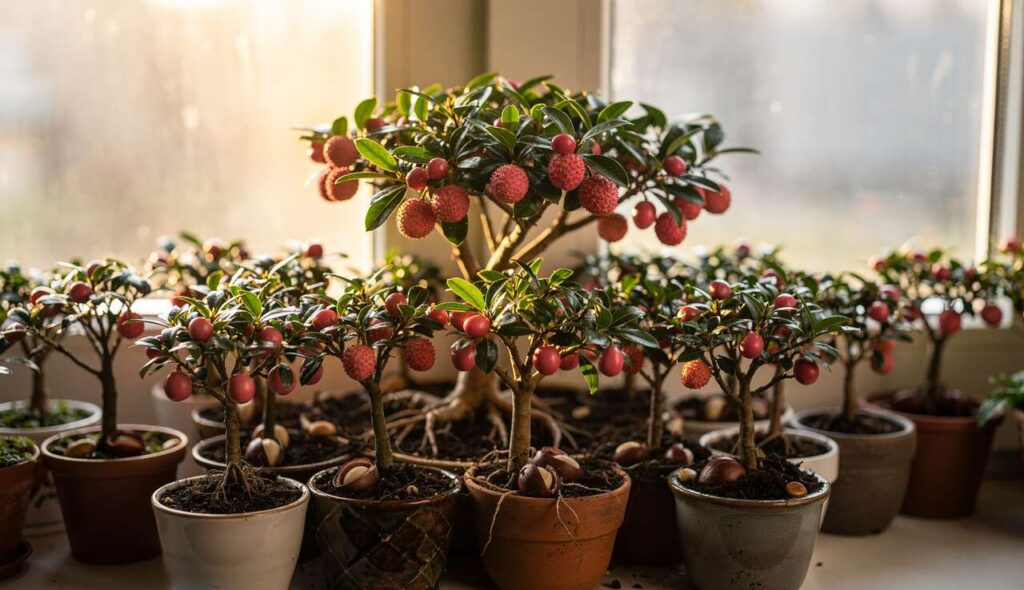
Social media platforms continue to showcase remarkable examples of resourcefulness and creativity, with one particular project capturing widespread attention. A content creator has demonstrated how ordinary kitchen waste can be transformed into something extraordinary. By planting lychee pits and nurturing them carefully, she has cultivated a stunning miniature forest that boasts vibrant pink foliage. The entire process took just one month, proving that sustainable practices can yield beautiful results in surprisingly short timeframes. This innovative approach to upcycling food waste has inspired thousands to reconsider what they typically discard.
The Birth of an Innovative Idea
From Kitchen Waste to Creative Project
The concept emerged from a simple observation: lychee pits, typically destined for the rubbish bin, possess remarkable germination potential. Rather than disposing of these seeds after enjoying the fruit, the creator recognised an opportunity to experiment with sustainable gardening practices. The initial inspiration came from observing how easily avocado pits and other fruit seeds could sprout when given proper conditions. Lychee seeds, though less commonly cultivated in home environments, offered unique aesthetic possibilities that warranted exploration.
Gathering Materials and Preparation
The project required minimal investment and basic supplies that most households already possess. Essential materials included:
- Fresh lychee pits collected from consumed fruit
- A shallow container with drainage capabilities
- Quality potting soil enriched with organic matter
- A spray bottle for gentle watering
- A location with indirect sunlight exposure
The creator emphasised the importance of using recently extracted pits rather than dried ones, as fresh seeds maintain higher moisture content and germinate more successfully. Cleaning the pits thoroughly removed any remaining fruit flesh that could potentially cause mould during the germination phase.
This foundation of careful preparation and thoughtful material selection set the stage for understanding the specific techniques required to coax these seeds into vibrant growth.
The Germination Process
Initial Planting Techniques
The germination journey began with strategic placement of the lychee pits in the prepared container. Each seed was positioned approximately one centimetre below the soil surface, with adequate spacing to allow individual growth without competition. The creator arranged the pits in a dense pattern to achieve the forest effect once sprouting occurred. Maintaining consistent moisture proved critical during this early stage, requiring daily misting to keep the soil damp without waterlogging.
Timeline and Observable Changes
The transformation unfolded according to a predictable schedule that demonstrated nature’s remarkable efficiency:
| Week | Observable Development | Care Requirements |
|---|---|---|
| 1 | Seeds swell and outer coating softens | Daily misting, warm environment |
| 2 | First shoots emerge with pale colouration | Increased moisture, indirect light |
| 3 | Pink foliage develops, stems elongate | Consistent watering, light exposure |
| 4 | Miniature forest appearance achieved | Maintenance watering, pruning consideration |
The Surprising Pink Phenomenon
The most striking aspect of this project emerged during the third week when the developing leaves displayed vibrant pink and reddish hues. This colouration occurs naturally in young lychee growth as a protective mechanism. The pigments, primarily anthocyanins, shield tender new leaves from excessive light exposure and environmental stress. As the plants mature, this dramatic colouring gradually transitions to traditional green, though the initial pink phase creates the magical aesthetic that captivated online audiences.
Understanding these growth patterns provides context for appreciating how this collection of sprouted seeds evolves into something visually spectacular.
Transformation into a Miniature Forest
Achieving the Forest Aesthetic
The dense planting strategy proved essential for creating the miniature forest illusion. By positioning multiple pits closely together, the emerging shoots formed a canopy effect that mimicked natural woodland growth patterns on a dramatically reduced scale. The varying heights of individual sprouts added depth and dimension, whilst the collective pink foliage created a cohesive visual impact. The creator documented the daily progression through photographs, revealing how quickly the transformation occurred once germination began.
Maintenance and Ongoing Care
Sustaining the miniature forest required attentive but straightforward care practices. The primary considerations included:
- Maintaining consistent soil moisture without oversaturation
- Providing bright, indirect light to preserve pink colouration
- Monitoring for pest issues, though indoor cultivation minimised risks
- Considering eventual transplanting as roots developed
- Adjusting watering frequency based on environmental humidity
The creator noted that the miniature forest remained most visually striking during the first month, after which the natural greening process began. Some enthusiasts chose to harvest and restart the project regularly to maintain the pink aesthetic, whilst others appreciated watching the plants mature into their green phase.
These practical considerations naturally lead to examining the broader advantages this creative project offers beyond its visual appeal.
The Benefits of This Astonishing Creation
Educational Value and Engagement
The project serves as an exceptional educational tool for teaching botanical concepts and sustainability principles. Children and adults alike gain hands-on experience observing germination, growth patterns, and plant development. The relatively quick timeline maintains engagement, preventing the loss of interest that sometimes accompanies longer-term gardening projects. Schools and educational programmes have adopted similar approaches to demonstrate life cycles and environmental responsibility in tangible, memorable ways.
Mental Health and Wellbeing Advantages
Cultivating living things, even on a miniature scale, provides documented psychological benefits. The act of nurturing plants reduces stress levels, creates purposeful daily routines, and offers a sense of accomplishment. The visually stunning pink forest adds an aesthetic dimension that enhances mood and provides a unique focal point in living spaces. Many participants reported feeling greater connection to natural processes and increased motivation to explore additional sustainable practices.
Practical Sustainability Lessons
This project exemplifies circular economy principles by transforming waste into valuable resources. It challenges conventional assumptions about what constitutes rubbish and demonstrates that discarded items often possess untapped potential. The minimal resource requirements make the practice accessible regardless of economic circumstances or living situations, promoting inclusive participation in environmental stewardship.
These multifaceted benefits extend beyond individual households to suggest broader implications for environmental consciousness and community practices.
Ecological Impact and Future Prospects
Waste Reduction and Resource Consciousness
Whilst a single miniature forest project produces modest direct environmental impact, the cumulative effect of widespread adoption could significantly reduce organic waste streams. Lychee consumption generates substantial pit waste globally, particularly in regions where the fruit enjoys popularity. Diverting even a fraction of these seeds from landfills decreases methane emissions associated with organic decomposition in anaerobic conditions. The project also raises awareness about the hidden potential in everyday waste, encouraging participants to examine other discarded items with fresh perspectives.
Scaling and Community Initiatives
The viral success of this project has inspired community gardens, schools, and environmental organisations to develop scaled versions. Some initiatives collect lychee pits from restaurants and markets to create larger installations that serve as public art and educational displays. These collaborative efforts strengthen community bonds whilst promoting environmental awareness through creative expression. Urban areas with limited green space particularly benefit from such projects, which bring nature into concrete environments without requiring extensive land resources.
Potential for Other Fruit Seeds
The success with lychee pits has prompted experimentation with alternative fruit seeds that might offer similar results:
- Rambutan seeds producing comparable pink new growth
- Mango pits creating robust miniature trees
- Citrus seeds developing fragrant foliage
- Date pits offering palm-like aesthetic variations
Each seed type presents unique characteristics and growth patterns, expanding the creative possibilities for miniature edible forests. Researchers and hobbyists continue documenting which varieties produce the most striking visual effects and which adapt best to indoor cultivation conditions.
This remarkable project demonstrates how simple actions can generate disproportionate inspiration and impact. By transforming discarded lychee pits into a vibrant pink miniature forest within just one month, the creator has illustrated practical sustainability whilst producing something genuinely beautiful. The process requires minimal resources, offers educational value, and provides psychological benefits to participants. Beyond individual satisfaction, the project contributes to broader conversations about waste reduction and creative environmental stewardship. As more people embrace such innovative approaches, the collective impact on waste consciousness and community engagement continues growing, proving that meaningful change often begins with small, accessible actions that anyone can replicate in their own homes.