

Gardeners constantly seek plants that offer multiple benefits beyond mere aesthetics. Whilst colourful blooms and lush foliage attract the eye, the most valuable additions to any garden serve broader ecological purposes. One particular plant stands out for its remarkable ability to regenerate depleted soils whilst simultaneously providing essential sustenance for pollinating insects. This dual functionality makes it an indispensable ally for anyone committed to sustainable gardening practices. Understanding how this botanical treasure operates reveals why experienced horticulturists increasingly incorporate it into their cultivation strategies.
Introduction to an incredible plant
Botanical characteristics
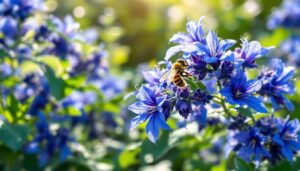
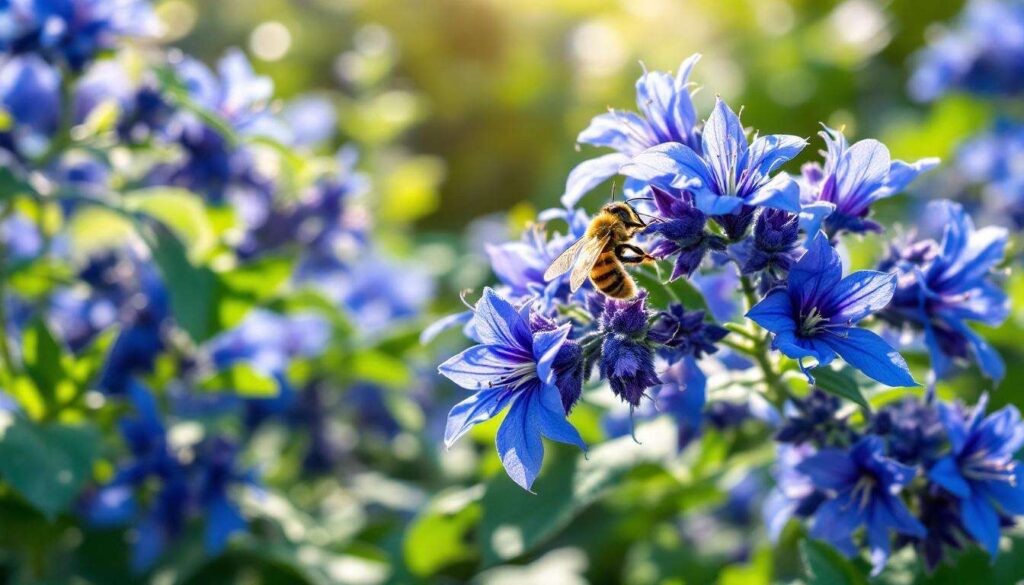
Phacelia tanacetifolia, commonly known as lacy phacelia or bee’s friend, belongs to the Boraginaceae family. This annual herb typically reaches heights between 60 and 90 centimetres, displaying delicate fern-like foliage that gives the plant its distinctive appearance. The flowers emerge in coiled clusters called cymes, unfurling gradually to reveal lavender-blue blooms adorned with prominent stamens extending beyond the petals.
Historical cultivation
Originally native to southwestern United States and northern Mexico, phacelia gained recognition amongst European farmers during the early twentieth century. Agricultural researchers identified its potential as a green manure crop, leading to widespread adoption across the continent. The plant’s rapid growth cycle and resilience to various climatic conditions facilitated its integration into diverse farming systems, from small market gardens to extensive agricultural operations.
Growing requirements
Phacelia demonstrates remarkable adaptability to different soil types and conditions:
- Thrives in full sun to partial shade environments
- Tolerates poor, sandy, or clay-heavy soils
- Requires minimal watering once established
- Germinates rapidly, typically within 7 to 14 days
- Completes its lifecycle in approximately 8 to 10 weeks
These characteristics make phacelia an accessible choice for gardeners at all experience levels, requiring neither specialist knowledge nor intensive maintenance. The plant’s forgiving nature allows it to flourish where more demanding species struggle, making it particularly valuable for rehabilitating neglected or challenging garden areas.
How this plant improves soil quality
Nitrogen fixation capabilities
Although phacelia does not fix atmospheric nitrogen like leguminous plants, it excels at capturing and recycling nutrients already present in the soil. Its extensive root system, which can penetrate depths exceeding 60 centimetres, accesses nutrients from subsoil layers that remain unavailable to shallow-rooted crops. When incorporated into the soil as green manure, this accumulated biomass releases these nutrients for subsequent plantings.
Organic matter contribution
The plant’s rapid biomass production provides substantial organic matter enrichment. A single phacelia crop can generate between 200 and 400 grams of fresh biomass per square metre within eight weeks. This material, when turned into the soil, undergoes decomposition that:
| Benefit | Impact on soil |
|---|---|
| Humus formation | Increases water retention by 20-30% |
| Microbial activity | Enhances beneficial bacteria populations by up to 40% |
| Soil structure | Improves aeration and reduces compaction |
| Nutrient availability | Releases nitrogen, phosphorus, and potassium gradually |
Soil structure enhancement
The plant’s fibrous root system creates channels throughout the soil profile, improving drainage in heavy soils whilst enhancing moisture retention in sandy substrates. These biological pathways remain after the plant decomposes, providing lasting structural benefits. Additionally, root exudates stimulate earthworm activity, further contributing to soil aggregation and fertility. This multi-faceted approach to soil improvement distinguishes phacelia from single-purpose amendments, offering comprehensive rehabilitation for degraded growing media.
The crucial role of this plant for bees
Exceptional nectar production
Phacelia ranks amongst the most productive nectar sources available to beekeepers and wildlife gardeners. Individual flowers produce copious amounts of high-quality nectar with sugar concentrations ranging from 40% to 60%. Commercial beekeepers report honey yields of 150 to 300 kilograms per hectare from pure phacelia stands, demonstrating the plant’s extraordinary capacity to support pollinator populations.
Extended flowering period
Unlike many flowering plants that bloom briefly, phacelia maintains its floral display for four to six weeks. The coiled flower clusters open progressively, ensuring a continuous supply of fresh blooms throughout the flowering period. This extended availability proves particularly valuable during late summer when many other nectar sources have finished flowering, creating a critical gap in pollinator nutrition.
Supporting diverse pollinator species
Beyond honeybees, phacelia attracts numerous beneficial insects:
- Bumblebees, which require high-energy nectar sources
- Solitary bees, including mason and leafcutter species
- Hoverflies, whose larvae consume aphids
- Parasitic wasps that control garden pests
- Butterflies seeking supplementary nectar sources
This diversity of visitors enhances overall garden health by establishing robust pollinator communities that service fruit trees, vegetables, and ornamental plants. The resulting ecological network strengthens garden resilience against pest outbreaks and environmental stresses, creating a more stable growing environment.
Ethics and sustainability of cultivating this plant
Minimal resource requirements
Phacelia cultivation aligns with sustainable gardening principles through its modest demands. The plant requires no synthetic fertilisers, pesticides, or intensive irrigation, reducing both environmental impact and financial expenditure. Its ability to thrive on marginal land prevents competition with food crops whilst still delivering substantial ecological benefits.
Chemical-free pest management
By attracting predatory insects and parasitoids, phacelia contributes to biological pest control strategies. Hoverfly larvae, drawn to the flowers as adults, consume hundreds of aphids during their development. Similarly, parasitic wasps that visit phacelia subsequently parasitise caterpillars and other plant-damaging insects, reducing pest populations without chemical interventions.
Carbon sequestration potential
Although individual gardens make modest contributions, collective phacelia cultivation across numerous properties creates meaningful carbon capture. The plant’s rapid growth converts atmospheric carbon dioxide into biomass, which becomes sequestered in soil organic matter following incorporation. This process, repeated across growing seasons, gradually builds soil carbon reserves whilst improving fertility.
Incorporating this plant into your garden
Sowing strategies
Successful phacelia establishment requires minimal preparation. Broadcast seeds directly onto prepared soil at a rate of approximately 10 to 15 grams per square metre. Light raking ensures adequate soil contact without burying seeds too deeply, as they require light exposure for optimal germination. Sowing can occur from early spring through late summer, allowing multiple successions throughout the growing season.
Companion planting applications
Phacelia integrates seamlessly into various garden contexts:
- Between vegetable rows to attract pollinators to fruiting crops
- In orchard understories to support fruit set
- As edging along borders to create pollinator corridors
- In container gardens to maximise small-space benefits
- Within wildflower meadows to extend flowering periods
Green manure timing
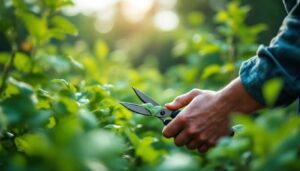
For maximum soil improvement, incorporate phacelia before seed formation, typically six to eight weeks after sowing. Cut or mow the plants, then turn them into the top 15 centimetres of soil using a spade or rotavator. Allow two to three weeks for decomposition before planting subsequent crops. This timing ensures nutrient release coincides with new plantings, maximising efficiency whilst preventing nitrogen tie-up during decomposition.
Long-term ecological benefits
Biodiversity enhancement
Regular phacelia cultivation establishes permanent improvements in garden ecology. Increased pollinator populations support wider plant diversity, whilst enhanced soil biology creates more resilient growing conditions. These interconnected benefits compound over time, transforming ordinary gardens into thriving ecosystems that support numerous species beyond cultivated plants.
Soil health progression
Repeated green manure applications progressively build soil fertility and structure. Gardens incorporating phacelia into rotation schedules observe measurable improvements:
| Timeframe | Observable improvements |
|---|---|
| First season | Increased earthworm activity, improved tilth |
| Second season | Enhanced water retention, reduced fertiliser needs |
| Third season onwards | Self-sustaining fertility, disease suppression |
Climate resilience
Gardens with improved soil organic matter demonstrate greater resilience to climatic extremes. Enhanced water-holding capacity mitigates drought stress, whilst improved structure prevents waterlogging during heavy rainfall. These characteristics become increasingly valuable as weather patterns grow more unpredictable, providing insurance against environmental challenges.
Phacelia represents far more than a simple garden plant. Its capacity to simultaneously regenerate soil fertility and support vital pollinator populations positions it as an essential component of ecological gardening. The plant’s minimal requirements, rapid results, and multiple benefits make it accessible to all gardeners regardless of experience or garden size. By incorporating this remarkable species into cultivation practices, gardeners contribute to broader environmental health whilst improving their own growing conditions. The cumulative effect of widespread adoption could significantly enhance urban and rural biodiversity, demonstrating how individual gardening choices create collective ecological impact. This humble plant offers a practical pathway towards more sustainable horticulture, proving that effective solutions often come in modest, unassuming packages.