



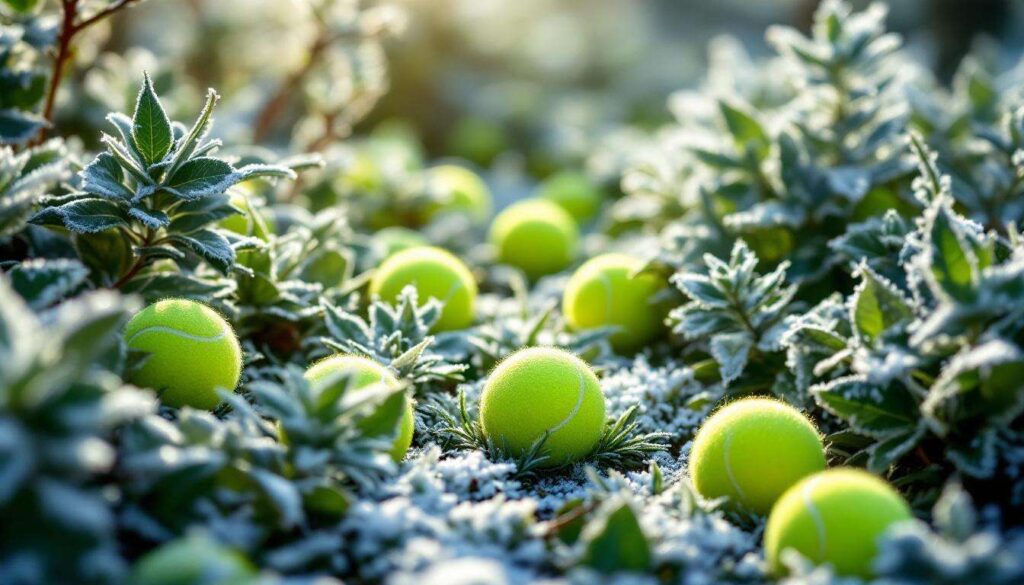
Gardens transform into harsh environments during winter months, leaving small creatures vulnerable to freezing temperatures and scarce resources. A simple yet ingenious solution has emerged from wildlife conservation circles: repurposing old tennis balls as miniature shelters for garden fauna. This practical approach requires minimal effort whilst providing vital refuge for insects, amphibians and other diminutive animals struggling to survive the coldest season. By drilling a small entrance hole and positioning these bright yellow spheres strategically around outdoor spaces, gardeners can make a tangible difference to local biodiversity.
Why use tennis balls in the garden in winter
The winter survival challenge for small animals
Winter presents life-threatening conditions for numerous garden inhabitants. Temperatures plummet, natural shelters become waterlogged or frozen, and food sources disappear beneath snow and frost. Small animals such as solitary bees, ladybirds, lacewings and ground beetles require dry, insulated spaces to enter dormancy safely. Without adequate protection, mortality rates soar amongst beneficial garden species.
Tennis balls as an accessible solution
The beauty of this method lies in its simplicity and accessibility. Most households accumulate old tennis balls that have lost their bounce, making them perfect candidates for upcycling. The materials required include:
- Used tennis balls no longer suitable for sport
- A drill with a 25-30mm hole saw attachment
- Waterproof adhesive or wire for securing
- Optional: natural materials like dried grass for interior insulation
This cost-effective approach diverts waste from landfills whilst addressing a genuine conservation need. The hollow interior of a tennis ball, once accessed through a carefully drilled entrance, creates an ideal microclimate for overwintering creatures.
Scientific basis for shelter provision
Research from wildlife organisations demonstrates that artificial hibernation sites significantly improve survival rates for beneficial insects. The felt covering of tennis balls provides excellent insulation properties, whilst the rubber construction offers durability against winter weather. Studies show that gardens with supplementary shelter options support 40% more overwintering insects compared to those without such provisions.
Understanding these fundamental benefits establishes why tennis balls work so effectively, but the specific wildlife they attract deserves closer examination.
Tennis balls: a shelter for wildlife
Primary beneficiaries of tennis ball shelters
Various species readily adopt tennis ball refuges as winter quarters. The most common occupants include:
- Solitary bees, particularly mason and leafcutter species
- Ladybirds seeking communal hibernation spots
- Lacewings and other beneficial predatory insects
- Small beetles and spiders
- Occasionally, wood mice and shrews in larger installations
Size and entrance specifications
The entrance hole diameter determines which species can access the shelter. A 25-30mm opening accommodates most beneficial insects whilst preventing larger predators from entering. Some conservationists recommend creating tennis ball shelters with varying entrance sizes to cater for different species requirements.
| Entrance Diameter | Target Species | Typical Occupancy |
|---|---|---|
| 8-10mm | Solitary bees | 1-3 individuals |
| 15-20mm | Ladybirds, lacewings | 5-15 individuals |
| 25-30mm | Mixed insects, small mammals | Variable |
Seasonal occupation patterns
Whilst primarily intended for winter use, tennis ball shelters often serve multiple purposes throughout the year. Spring sees solitary bees using them as nesting sites, whilst summer provides refuge during extreme heat. Autumn becomes the peak installation period as creatures actively search for hibernation spots before temperatures drop critically.
Knowing which animals benefit from these shelters naturally leads to understanding the mechanisms that make them so effective.
How tennis balls protect small animals
Thermal insulation properties
The dual-layer construction of tennis balls creates remarkable insulation. The outer felt absorbs minimal moisture whilst trapping air, and the rubber core prevents heat loss through conduction. Internal temperatures remain several degrees warmer than ambient conditions, crucial for maintaining the metabolic processes necessary for survival during dormancy.
Protection from predators and elements
Tennis ball shelters offer multiple defensive advantages:
- The small entrance restricts access by birds and larger predators
- Elevated positioning prevents ground-level flooding
- The curved shape sheds rainwater effectively
- The bright colour aids human identification, preventing accidental disturbance
Moisture regulation
Excessive humidity proves fatal for many hibernating insects, causing fungal infections and premature awakening. Tennis balls naturally regulate moisture levels through their semi-porous felt covering, which allows gradual air exchange without creating draughts. Adding a small amount of dried grass or wood shavings inside enhances this moisture-buffering capacity.
Longevity and maintenance requirements
A properly installed tennis ball shelter typically lasts three to five winters before requiring replacement. The rubber degrades slowly, and the felt may become compacted, but these changes occur gradually. Annual inspection in early spring, after occupants have departed, allows for cleaning and assessment of continued suitability.
Whilst the protective mechanisms are impressive, considering the broader environmental implications remains essential.
The ecological impact of tennis balls
Sustainability considerations
Tennis balls present an environmental paradox. Approximately 300 million tennis balls reach landfills annually worldwide, where their rubber and felt components persist for decades. Repurposing them as wildlife shelters extends their useful life significantly, embodying circular economy principles. However, the manufacturing process involves petroleum-based materials and energy-intensive production methods.
Biodiversity enhancement
Gardens equipped with supplementary winter shelters demonstrate measurable biodiversity improvements. Research indicates that providing hibernation sites increases species richness by supporting populations of:
- Natural pest controllers like ladybirds and lacewings
- Pollinators essential for spring and summer flowering
- Decomposers that improve soil health
- Predators that maintain ecological balance
Contribution to conservation efforts
Individual actions accumulate into significant collective impact. When thousands of gardens provide winter refuges, the effect on regional insect populations becomes substantial. This distributed conservation model proves particularly valuable for species experiencing habitat loss in agricultural and urban landscapes.
| Conservation Benefit | Estimated Impact |
|---|---|
| Increased overwintering survival | 30-40% improvement |
| Spring population boost | 25% higher emergence rates |
| Pollination services value | Enhanced crop yields locally |
Understanding these ecological dimensions helps contextualise the importance of proper implementation techniques.
Tips for correctly placing tennis balls
Optimal positioning strategies
Strategic placement maximises the effectiveness of tennis ball shelters. Position them in sheltered locations that avoid direct exposure to prevailing winds and driving rain. Ideal spots include:
- Beneath dense evergreen shrubs
- Against south-facing walls or fences
- Within hedge bases, secured to branches
- Under garden shed eaves
- Amongst rockeries or stone walls
Height and orientation guidelines
Elevation prevents flooding whilst maintaining accessibility for target species. Mount tennis balls 30-90cm above ground level for insects, or at ground level for small mammals. Ensure the entrance hole faces away from prevailing weather, typically towards the east or south-east in the UK, providing morning sun exposure without afternoon overheating.
Securing methods
Proper anchoring prevents displacement during storms. Effective techniques include:
- Threading garden wire through the ball and attaching to branches
- Using waterproof adhesive to fix against solid surfaces
- Creating small platforms from reclaimed wood
- Nestling between stones in walls or rockeries
Preparation and timing
Install tennis ball shelters by late September or early October, allowing creatures time to discover and occupy them before temperatures drop. Drill clean holes without ragged edges, and rinse balls to remove any residual chemicals from manufacturing or sporting use. Adding a small amount of natural nesting material encourages occupation.
Beyond tennis balls, numerous complementary strategies exist for supporting garden wildlife through harsh conditions.
Other practices to protect animals in winter
Diverse shelter options
A comprehensive wildlife garden incorporates multiple refuge types. Consider supplementing tennis ball shelters with:
- Purpose-built insect hotels using bamboo canes and drilled logs
- Log piles left undisturbed in shaded corners
- Dense evergreen hedging for birds and mammals
- Stone or brick piles for amphibians and reptiles
- Compost heaps that generate warmth through decomposition
Food provision strategies
Winter feeding supports species that remain active during cold months. Appropriate provisions include high-energy bird food, unfrozen water sources, and leaving seed heads on perennial plants. Avoid disturbing leaf litter, which harbours invertebrates that provide essential protein for foraging birds and mammals.
Habitat management techniques
Garden maintenance practices significantly affect winter wildlife survival. Delay cutting back herbaceous perennials until spring, as hollow stems provide overwintering sites for insects. Maintain areas of longer grass and resist excessive tidiness, creating the structural diversity that supports varied species requirements.
Chemical-free gardening
Pesticides and herbicides devastate beneficial insect populations, undermining conservation efforts. Adopting organic gardening principles allows natural pest control through predator-prey relationships. This approach proves particularly important when providing winter shelters, as accumulated toxins can prove fatal in confined hibernation spaces.
Gardens transformed into wildlife havens through simple interventions like tennis ball shelters demonstrate the power of individual action. These unassuming yellow spheres, drilled with a single entrance hole, provide life-saving refuge for countless small creatures navigating winter’s challenges. The practice combines environmental responsibility through upcycling with practical conservation, supporting biodiversity in spaces where human and natural worlds intersect. By implementing proper placement techniques and complementing shelters with diverse habitat features, gardeners create resilient ecosystems that sustain wildlife populations year-round. The collective impact of such efforts ripples through local environments, strengthening ecological networks one garden at a time whilst requiring minimal investment of time or resources.