


Gardeners are constantly searching for plants that offer both aesthetic appeal and practical benefits. The banana plant, often associated with tropical climates and commercial agriculture, presents an unexpected opportunity for home gardeners seeking a versatile and sustainable addition to their outdoor spaces. Beyond its capacity to produce fruit, this remarkable specimen delivers ecological advantages, ornamental value, and a wealth of derivative products that can transform gardening practices. Understanding the full potential of the banana plant reveals why it deserves consideration as a transformative element in contemporary horticulture.
Introduction to the banana plant: an ally for your garden
Botanical characteristics and varieties
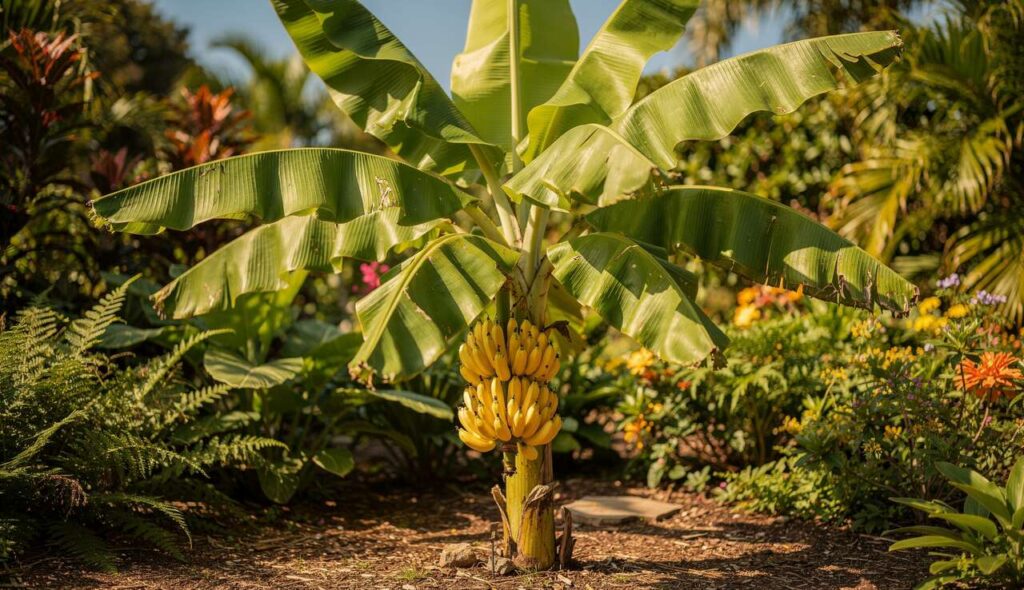
The banana plant, scientifically known as Musa, comprises numerous species and cultivars suited to different climatic conditions. Despite its tree-like appearance, the banana plant is technically a herbaceous perennial, with a pseudostem formed from tightly packed leaf sheaths rather than woody tissue. This unique structure allows for rapid growth and regeneration after fruiting.
Gardeners can select from several varieties depending on their climate and intended purpose:
- Ornamental varieties such as Musa basjoo, which tolerates cooler temperatures
- Dwarf cultivars like Dwarf Cavendish, suitable for container growing
- Hardy species capable of surviving mild frosts with proper protection
- Edible varieties that produce fruit in warmer regions or protected environments
Adaptability to diverse growing conditions
The banana plant demonstrates remarkable adaptability when provided with appropriate care. Whilst traditionally associated with tropical regions, many varieties thrive in temperate climates when given shelter from harsh winds and adequate moisture. The plant’s rapid growth rate, often producing several metres of foliage within a single growing season, makes it an impressive focal point in garden design.
This botanical versatility naturally leads to consideration of the broader environmental contributions these plants offer beyond their visual impact.
The ecological benefits of the banana plant
Carbon sequestration and air quality improvement
The banana plant’s extensive leaf surface area contributes significantly to carbon dioxide absorption and oxygen production. A mature plant can possess leaves exceeding two metres in length, creating substantial photosynthetic capacity. This characteristic makes banana plants valuable allies in urban and suburban gardens seeking to mitigate local carbon footprints.
Soil enhancement properties
Banana plants offer exceptional benefits for soil health through their natural lifecycle:
- Decomposing leaves provide rich organic matter high in potassium and nitrogen
- The extensive root system prevents soil erosion on slopes and embankments
- Dying pseudostems break down rapidly, returning nutrients to the growing medium
- The plant’s moisture retention helps maintain soil structure and microbial activity
Biodiversity support
The banana plant creates a microhabitat that supports diverse wildlife. The large leaves provide shelter for beneficial insects, whilst the flowers attract pollinators. In warmer climates where fruiting occurs, the plant becomes a food source for birds and other fauna, contributing to ecosystem balance within garden environments.
Understanding these ecological advantages provides context for the practical aspects of incorporating banana plants into garden settings.
How to cultivate your own banana plant
Site selection and soil preparation
Successful banana cultivation begins with strategic placement. Choose a location offering protection from strong winds, which can shred the large leaves and damage the pseudostem. South-facing positions with maximum sun exposure prove ideal in temperate regions, whilst partial shade may be necessary in extremely hot climates.
Soil requirements include:
- Well-draining composition with high organic content
- pH levels between 5.5 and 7.0 for optimal nutrient uptake
- Incorporation of compost or aged manure before planting
- Adequate depth to accommodate the extensive root system
Planting techniques and initial care
Plant banana specimens during spring after the risk of frost has passed. Dig a hole approximately twice the width of the root ball and ensure the crown sits at the same level as it was in the container. Water thoroughly after planting and maintain consistent moisture throughout the establishment period.
Ongoing maintenance requirements
| Care aspect | Frequency | Specific requirements |
|---|---|---|
| Watering | 2-3 times weekly | Deep watering to encourage root development |
| Fertilisation | Monthly during growing season | Balanced fertiliser high in potassium |
| Mulching | Twice annually | Organic mulch to retain moisture and suppress weeds |
| Pruning | As needed | Remove dead leaves and spent pseudostems |
These cultivation practices establish the foundation for maximising the plant’s potential across various gardening applications.
The multiple uses of the banana plant in gardening
Ornamental landscaping applications
The banana plant serves as a dramatic architectural element in landscape design. Its tropical appearance creates instant visual impact, transforming ordinary gardens into exotic retreats. The plant works effectively as a specimen planting, backdrop for borders, or container feature on patios and terraces.
Companion planting strategies
Banana plants function excellently within polyculture systems. Their large leaves create dappled shade suitable for shade-tolerant crops, whilst their moisture requirements complement plants with similar needs. Consider these companion planting combinations:
- Ginger and turmeric beneath the canopy
- Taro or other moisture-loving plants at the base
- Climbing beans using the pseudostem for support
- Shade-tolerant herbs in the filtered light
Natural mulch and compost generation
Every part of the banana plant contributes to sustainable garden practices. The leaves, once removed, decompose rapidly to create nutrient-rich mulch. The pseudostem, after fruiting or at season’s end, can be chopped and used as green manure or added to compost bins where it accelerates decomposition of other materials.
These practical applications extend beyond immediate garden use to encompass valuable derivative products.
Capitalising on derivative products of the banana plant
Fibre extraction and craft applications
The banana plant produces robust natural fibres with numerous applications. The pseudostem yields fibres suitable for rope-making, textile production, and paper manufacturing. Home gardeners can experiment with extracting these fibres for craft projects, creating sustainable alternatives to synthetic materials.
Culinary and medicinal uses
Beyond the familiar fruit, various parts of the banana plant offer culinary potential:
- Flower buds as a nutritious vegetable in Asian cuisines
- Young leaves as natural food wrappers for steaming
- Pseudostem core as a vegetable in certain traditional dishes
- Leaf extracts for traditional medicinal preparations
Animal feed and agricultural inputs
The banana plant provides valuable livestock feed, particularly in regions where commercial agriculture intersects with small-scale farming. The leaves and chopped pseudostems offer nutritious fodder for cattle, goats, and pigs. Additionally, the plant material can be processed into organic fertiliser through composting or fermentation techniques.
These diverse applications demonstrate how the banana plant addresses broader agricultural concerns whilst supporting individual gardening endeavours.
The banana plant: a sustainable answer to agricultural challenges
Resource efficiency and productivity
The banana plant exemplifies efficient resource utilisation in agricultural systems. Its rapid growth cycle, ability to produce multiple harvests from a single planting through sucker propagation, and minimal pest pressure in many regions make it an economically viable crop. The plant requires no replanting after harvest, as new shoots emerge naturally from the root system.
Climate resilience and adaptation
As climate patterns shift, the banana plant demonstrates remarkable adaptability. Many varieties tolerate drought conditions once established, whilst others withstand periodic flooding. This resilience positions the banana plant as a valuable component of climate-adaptive gardening strategies, providing stability in uncertain environmental conditions.
Contribution to food security
The banana plant’s capacity for continuous production supports household food security. In appropriate climates, a small collection of plants can provide regular harvests throughout the year. The plant’s nutritional profile, offering carbohydrates, vitamins, and minerals, makes it a valuable dietary staple that gardeners can cultivate independently of commercial supply chains.
Gardeners seeking plants that combine aesthetic appeal with practical functionality will find the banana plant offers exceptional value. Its ecological contributions, from carbon sequestration to soil improvement, align with sustainable gardening principles. The plant’s adaptability to diverse growing conditions, coupled with straightforward cultivation requirements, makes it accessible to gardeners of varying experience levels. Beyond immediate garden benefits, the banana plant provides derivative products ranging from natural fibres to nutritious food sources, maximising the return on space and resources invested. As agricultural challenges intensify, incorporating resilient, productive species like the banana plant represents a practical step towards self-sufficient, environmentally responsible gardening that addresses both present needs and future uncertainties.