

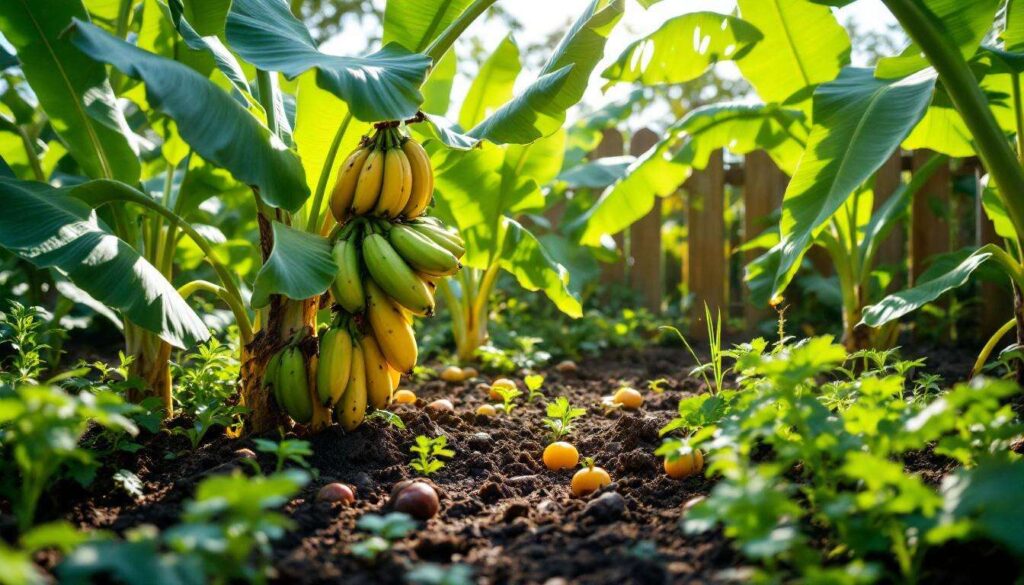
Banana trees are making an unexpected appearance in European vegetable gardens, and this trend is far from a passing fad. Gardeners across the continent are discovering that these tropical plants offer much more than exotic fruit. From improving soil quality to creating natural windbreaks, banana trees are proving themselves as valuable companions in productive gardens. Their rapid growth, lush foliage, and surprising adaptability to temperate climates are transforming traditional gardening approaches. Understanding why this practice is gaining momentum reveals a fascinating intersection of permaculture principles, climate adaptation, and innovative food production.
Why plant banana trees in the vegetable garden ?
The decision to introduce banana trees into vegetable gardens stems from multiple practical advantages that extend beyond fruit production. These plants function as living infrastructure, providing benefits that enhance the entire growing environment.
Natural shade and microclimate creation
Banana trees create substantial shade zones beneath their broad leaves, protecting heat-sensitive vegetables during summer months. The large canopy moderates temperature fluctuations and reduces water evaporation from the soil surface. This microclimate effect allows gardeners to grow a wider variety of crops, including those that typically struggle in direct sunlight.
Nutrient cycling and soil enrichment
The continuous leaf production of banana trees provides an abundant source of organic matter. As older leaves die back naturally, they decompose rapidly, releasing nutrients back into the soil. This natural mulching process:
- Adds nitrogen and potassium to the growing area
- Improves soil structure and water retention
- Suppresses weed growth around the plant base
- Feeds beneficial soil organisms
Companion planting benefits
Banana trees serve as excellent companion plants for numerous vegetables. Their root systems occupy different soil layers than most annual crops, reducing competition. The shade they provide creates ideal conditions for growing lettuce, spinach, and herbs during warmer months. Additionally, their presence can attract beneficial insects whilst deterring certain pests.
Beyond these functional benefits, banana trees also contribute to the aesthetic appeal of productive spaces, creating a tropical atmosphere that transforms ordinary vegetable plots into lush, layered gardens.
Climate and soil: the ideal conditions
Understanding the environmental requirements of banana trees is essential for successful cultivation in vegetable gardens, particularly in regions outside their native tropical zones.
Temperature requirements
Banana trees thrive in warm conditions but certain varieties demonstrate surprising cold tolerance. The optimal temperature range sits between 26°C and 30°C, though many cultivars continue growing at temperatures as low as 15°C. Frost remains the primary limitation, as temperatures below 0°C can damage or kill plants. However, the underground corm often survives mild frosts, allowing regrowth in spring.
| Temperature range | Plant response |
|---|---|
| Above 26°C | Optimal growth and fruit production |
| 15°C to 26°C | Slower growth, reduced fruiting |
| 10°C to 15°C | Growth cessation, plant dormancy |
| Below 0°C | Leaf damage, potential plant death |
Soil composition and drainage
Banana trees demand rich, well-draining soil with high organic content. They perform best in slightly acidic to neutral conditions, with a pH between 5.5 and 7.0. The soil must retain moisture without becoming waterlogged, as banana roots are susceptible to rot in saturated conditions. Incorporating compost and aged manure before planting creates an ideal foundation.
Water requirements
These plants are heavy water consumers, requiring consistent moisture throughout the growing season. During active growth, banana trees may need watering several times weekly, particularly in containers or during dry spells. Mulching around the base helps maintain soil moisture and reduces watering frequency.
With proper site selection and soil preparation, even gardeners in cooler climates can harness the multiple benefits these plants provide.
The ecological benefits of banana trees
Incorporating banana trees into vegetable gardens aligns with sustainable gardening principles, offering environmental advantages that extend throughout the growing space.
Carbon sequestration and biomass production
Banana trees are remarkably efficient at converting sunlight into plant material. Their rapid growth rate means they sequester significant amounts of carbon whilst producing substantial biomass. This biomass serves multiple purposes in the garden ecosystem, from mulch material to compost ingredients, creating a closed-loop system that reduces external inputs.
Water management and erosion control
The extensive root system of banana trees helps stabilise soil on slopes and in areas prone to erosion. Their large leaves intercept rainfall, reducing soil compaction from heavy downpours. The plants also act as natural water pumps, drawing moisture from deeper soil layers and releasing it through transpiration, which increases local humidity levels and benefits surrounding plants.
Biodiversity support
Banana trees create habitat diversity within vegetable gardens, attracting various beneficial organisms:
- Pollinators visit the distinctive flowers
- Predatory insects shelter in the leaf axils
- Decomposer organisms thrive in the organic-rich soil beneath
- Birds utilise the sturdy pseudostems as perching sites
Reduced chemical dependency
The natural pest-deterrent properties of banana trees can reduce reliance on chemical interventions. Their presence diversifies the garden ecosystem, making it less susceptible to pest outbreaks. The continuous supply of organic mulch from dying leaves suppresses weeds naturally, eliminating the need for herbicides.
These ecological advantages make banana trees valuable allies in creating resilient, self-sustaining garden systems that work with natural processes rather than against them.
How to integrate banana trees into your garden
Successfully incorporating banana trees requires thoughtful planning to maximise benefits whilst avoiding potential complications with existing plantings.
Selecting appropriate varieties
Choosing the right cultivar is crucial for success in temperate climates. Hardy varieties such as Musa basjoo withstand temperatures as low as -10°C with protection. Dwarf varieties like ‘Dwarf Cavendish’ suit smaller spaces and container growing. Consider fruit production potential, mature height, and cold hardiness when selecting plants for your specific location.
Strategic placement within the garden
Position banana trees where their shade and shelter effects provide maximum benefit:
- On the northern side of heat-sensitive crops in southern hemisphere gardens
- As windbreaks along exposed garden edges
- Near water features or irrigation points to satisfy their moisture needs
- Away from shallow-rooted plants that might compete for nutrients
- With adequate spacing (2-3 metres) to prevent overcrowding
Planting techniques
Proper planting establishes strong, productive plants. Dig holes twice the width of the root ball and incorporate generous amounts of compost. Plant at the same depth as the container, ensuring the corm sits just below soil level. Water thoroughly after planting and maintain consistent moisture during establishment. Apply a thick mulch layer to conserve moisture and suppress weeds.
Companion crop selection
Maximise garden productivity by growing compatible crops alongside banana trees. Shade-tolerant vegetables like lettuce, rocket, and Asian greens thrive beneath the canopy. Root crops such as ginger and turmeric appreciate the humid microclimate. Climbing beans can use the sturdy pseudostems for support, creating vertical growing space.
With careful integration, banana trees become productive components of diverse, efficient garden systems rather than isolated specimens.
The challenges of growing banana trees in Europe
Despite their numerous benefits, cultivating banana trees in European climates presents specific obstacles that gardeners must address to achieve success.
Cold weather protection
Winter temperatures pose the primary challenge for banana cultivation across much of Europe. Protecting plants requires multiple strategies depending on local conditions. In mild areas, heavy mulching around the base may suffice. Colder regions demand more intensive protection, including wrapping the pseudostem in insulation material, constructing protective frames, or moving container plants into sheltered locations.
Limited fruit production
Whilst banana trees grow successfully in temperate climates, fruit production remains unreliable in many regions. Most European locations lack sufficient heat accumulation for fruits to ripen fully. Gardeners must often view fruit as a bonus rather than the primary reason for cultivation, focusing instead on the plants’ other benefits.
| Region | Fruit production likelihood |
|---|---|
| Mediterranean coastal areas | Moderate to high with protection |
| Southern UK, Northern France | Low, occasional in exceptional years |
| Central and Northern Europe | Very low, primarily ornamental |
Space requirements
Even dwarf varieties demand considerable space when mature. Their spreading habit and large leaves can overwhelm small gardens, shading out other plants unintentionally. Gardeners with limited space must carefully consider whether the benefits justify the footprint, or opt for container cultivation to control size.
Pest and disease management
Whilst less problematic than in tropical regions, European banana trees can still face health challenges. Aphids may colonise new growth, whilst fungal diseases can develop in poorly drained soils. Red spider mites sometimes attack plants grown in protected environments. Regular monitoring and prompt intervention prevent minor issues from becoming serious problems.
Understanding these challenges allows gardeners to implement appropriate solutions and set realistic expectations for their banana-growing endeavours.
Harvesting and maintaining your banana trees
Successful long-term cultivation requires consistent maintenance and understanding of the plant’s growth cycle to maximise benefits throughout the seasons.
Routine care requirements
Banana trees demand regular attention during the growing season. Weekly deep watering ensures consistent moisture, particularly during dry periods. Apply liquid fertiliser fortnightly during active growth, focusing on high-potassium formulations to support development. Remove dead or damaged leaves promptly to maintain plant health and appearance. Monitor for pests and diseases, addressing issues immediately to prevent spread.
Managing suckers and propagation
Banana plants produce multiple suckers from the base, which can be managed for propagation or removed to direct energy into the main plant:
- Allow 2-3 suckers to develop for continuous production
- Remove excess suckers when they reach 30-40 centimetres
- Transplant removed suckers to expand your banana grove
- Select the strongest suckers with sword-shaped leaves for best results
Harvesting leaves and fruit
The continuous leaf production provides harvestable material throughout the growing season. Cut older leaves for use as garden mulch, compost material, or even as natural food wrapping. In regions where fruit develops, harvest bunches when individual bananas show slight colour change but remain firm. Allow fruit to ripen off the plant in a warm location.
Winter preparation and dormancy management
Preparing plants for winter survival begins in autumn. Reduce watering as temperatures drop and cease fertilising by late summer. Cut back damaged foliage before frost arrives. Apply thick mulch layers around the base, extending beyond the root zone. In marginal climates, construct protective structures or move containers to frost-free locations. The corm survives dormancy underground, regenerating growth when spring temperatures rise.
With proper care and realistic expectations, banana trees provide years of benefits, transforming vegetable gardens into productive, diverse ecosystems that challenge traditional growing conventions.
The growing trend of planting banana trees in European vegetable gardens reflects a broader shift towards diverse, resilient growing systems. These tropical plants offer far more than exotic appeal, providing shade, organic matter, soil improvement, and ecological benefits that enhance entire garden ecosystems. Whilst challenges exist, particularly regarding cold protection and limited fruit production in temperate climates, the multiple advantages make banana trees valuable additions for adventurous gardeners. Success requires selecting appropriate varieties, providing suitable conditions, and maintaining realistic expectations about outcomes. As climate patterns shift and gardeners seek sustainable solutions, banana trees represent an innovative approach to productive gardening that bridges tropical abundance with temperate practicality.