


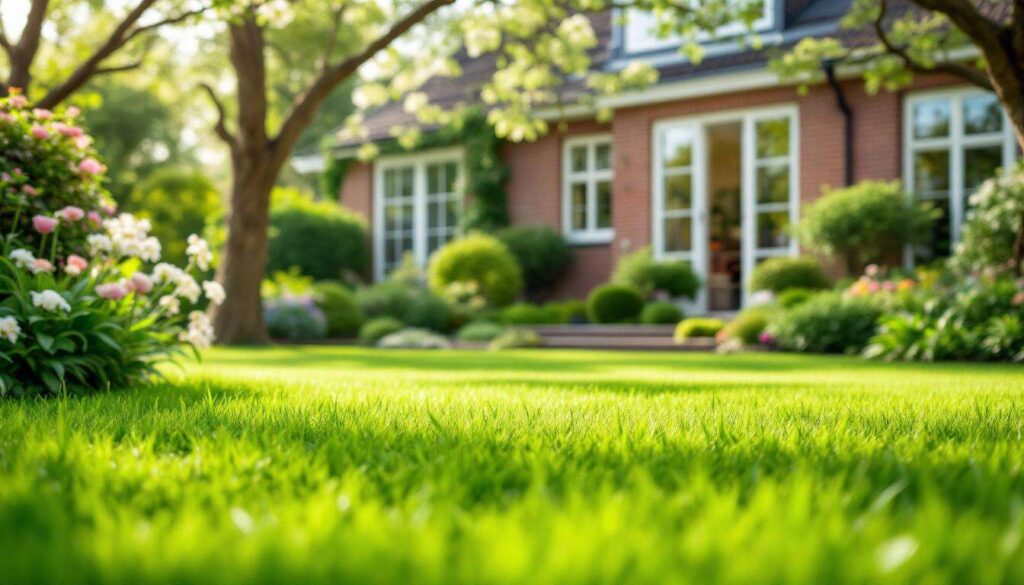
Moss-covered lawns remain a persistent challenge for gardeners across the country, turning vibrant green spaces into patchy, spongy surfaces that resist conventional treatment. Whilst many homeowners reach for chemical solutions or labour-intensive scarifying tools once moss has already established itself, a lesser-known approach from the Netherlands focuses on prevention rather than cure. This Dutch method combines soil science with strategic timing to create conditions where moss simply cannot thrive, eliminating the problem before it manifests. The technique has gained quiet recognition amongst horticulturists for its effectiveness and environmental credentials, yet it remains surprisingly absent from mainstream gardening advice.
Introduction to the Dutch anti-moss trick
The origins of preventive lawn management
The Dutch approach to moss prevention emerged from the country’s challenging climate conditions, where persistent moisture and limited sunlight create ideal environments for moss colonisation. Rather than accepting moss as an inevitable consequence, Dutch groundskeepers developed a systematic method that addresses the underlying causes before symptoms appear. This philosophy represents a fundamental shift from reactive treatments to proactive soil conditioning.
The technique centres on maintaining optimal soil pH levels and improving drainage characteristics through carefully timed amendments. By creating an environment that favours grass over moss, the method eliminates the competitive advantage that allows moss to establish itself. The approach requires minimal equipment and relies on readily available materials, making it accessible to gardeners of all experience levels.
Key principles behind the method
The Dutch system operates on three fundamental principles:
- Soil pH regulation to maintain levels between 6.5 and 7.0, where grass thrives and moss struggles
- Enhanced drainage to prevent the waterlogged conditions moss requires
- Strategic nutrient management to strengthen grass without encouraging moss growth
These principles work synergistically, each reinforcing the others to create inhospitable conditions for moss spores before they can germinate. The method acknowledges that moss is not the primary problem but rather a symptom of underlying soil imbalances.
Understanding why moss appears in the first place provides essential context for appreciating how this preventive approach works so effectively.
Why does moss invade our lawns ?
Environmental conditions favouring moss
Moss thrives in conditions that stress conventional grass species. The primary factors contributing to moss invasion include excessive shade, poor drainage, soil compaction, and acidic pH levels. Unlike grass, moss lacks a root system and absorbs moisture directly through its leaves, allowing it to flourish in waterlogged areas where grass roots would suffocate.
The following conditions create particularly favourable environments for moss:
- Soil pH below 6.0, which weakens grass whilst moss remains unaffected
- Compacted soil with reduced air circulation to grass roots
- Areas receiving fewer than four hours of direct sunlight daily
- Poor drainage resulting in standing water or consistently damp soil
- Low soil fertility that weakens grass competition
The competitive advantage of moss
Moss possesses several characteristics that give it competitive superiority over grass in compromised conditions. Its ability to photosynthesize in low light conditions allows it to colonise shaded areas where grass becomes thin and weak. The plant’s tolerance for acidic soils means it faces little competition in environments where pH levels have dropped below optimal ranges for turf grass.
| Condition | Grass response | Moss response |
|---|---|---|
| pH 5.5 or lower | Weakened growth, nutrient deficiency | Thrives without impediment |
| Heavy shade | Thin, sparse coverage | Optimal growth conditions |
| Compacted soil | Restricted root development | No root system affected |
| Waterlogged conditions | Root rot, declining health | Enhanced moisture absorption |
Understanding these dynamics reveals why removing moss without addressing underlying conditions proves futile, as the same environmental factors will simply encourage new moss colonisation.
The Dutch method addresses these root causes through specific soil amendments that transform the growing environment entirely.
The secret ingredients of the Dutch treatment
Calcified seaweed as the primary component
The cornerstone of the Dutch anti-moss treatment is calcified seaweed, a natural marine product that delivers multiple benefits in a single application. This material, harvested from specific seaweed species, contains high concentrations of calcium carbonate alongside trace minerals essential for healthy grass growth. When applied to lawns, it gradually raises soil pH whilst improving soil structure.
Calcified seaweed offers advantages over conventional lime treatments:
- Slower release of alkaline compounds prevents pH spikes
- Contains magnesium, which enhances chlorophyll production in grass
- Provides trace elements including iron, zinc, and manganese
- Improves soil microbial activity through organic matter content
- Enhances soil structure, promoting better drainage
Supporting amendments for comprehensive protection
The Dutch method combines calcified seaweed with sharp sand or horticultural grit to address drainage issues simultaneously with pH correction. This dual-action approach tackles two primary moss-promoting conditions in one treatment cycle. The sand component creates air pockets in compacted soil, allowing grass roots to penetrate deeper whilst preventing water accumulation.
A typical Dutch treatment mixture consists of calcified seaweed blended with sharp sand in proportions tailored to specific soil conditions. Heavy clay soils require higher sand ratios, whilst lighter soils benefit from increased seaweed content. The mixture may also incorporate a slow-release organic fertiliser to strengthen grass without promoting the rapid, weak growth that chemical fertilisers can cause.
Applying these ingredients correctly determines the success of the preventive treatment, making proper technique essential.
Preparation and application: the step-by-step guide
Timing and conditions for optimal results
The Dutch method achieves maximum effectiveness when applied during early autumn, typically between September and October. This timing allows amendments to integrate into the soil during periods of natural rainfall whilst grass remains actively growing. The moderate temperatures and increased moisture of autumn create ideal conditions for soil microorganisms to process the organic components of the treatment.
Spring application represents a secondary window, though autumn treatments generally produce superior long-term results. Avoid application during summer drought or winter dormancy, as these periods limit the treatment’s integration into the soil profile.
Application methodology
The process begins with lawn preparation to ensure maximum amendment penetration:
- Mow the lawn to a height of approximately 3 centimetres
- Remove any existing moss using a spring-tine rake if present
- Aerate the lawn using a hollow-tine aerator or garden fork
- Ensure soil is moist but not waterlogged before application
The treatment mixture should be applied at a rate of 150 to 200 grammes per square metre, depending on existing soil conditions. Distribute the blend evenly across the lawn surface using a broadcast spreader or by hand for smaller areas. The material should make direct contact with the soil rather than sitting atop grass blades.
Post-application care
Following application, light watering helps settle the amendments into the aeration holes and begins the pH adjustment process. Avoid heavy irrigation that might wash the treatment away before it can integrate with the soil. Normal lawn maintenance can resume immediately, though avoiding fertiliser applications for four to six weeks allows the treatment to establish its effects without interference.
This preventive strategy offers numerous advantages over conventional moss management approaches.
The benefits of the preventive approach
Long-term effectiveness versus temporary fixes
The Dutch method’s greatest advantage lies in its lasting impact on soil conditions. Whilst chemical moss killers provide immediate visible results, they address symptoms without correcting the underlying causes that allowed moss to establish. The preventive approach creates an environment where moss cannot gain a foothold, eliminating the need for repeated treatments.
A single autumn application typically provides protection for an entire growing season, with effects often extending into subsequent years as soil conditions stabilise. This contrasts sharply with chemical treatments requiring multiple applications throughout the year to maintain moss-free lawns.
Environmental and economic considerations
The natural composition of the Dutch treatment presents significant environmental advantages over synthetic alternatives. Calcified seaweed and sand pose no risk to wildlife, pets, or beneficial soil organisms. The method actually enhances soil biodiversity by improving conditions for earthworms and microorganisms that contribute to overall lawn health.
Economic benefits accumulate over time:
- Reduced frequency of treatments lowers annual lawn care costs
- Improved grass health decreases need for supplementary fertilisers
- Enhanced drainage reduces water requirements during dry periods
- Stronger grass coverage naturally suppresses weeds, reducing herbicide needs
Improved overall lawn quality
Beyond moss prevention, the treatment delivers comprehensive lawn improvement. The pH correction benefits all aspects of grass growth, from nutrient uptake to disease resistance. Enhanced drainage prevents the waterlogging that contributes to fungal diseases and root problems. The result is a lawn that not only resists moss but displays improved colour, density, and resilience to environmental stresses.
Comparing this approach with traditional methods highlights its distinctive advantages and clarifies when it represents the optimal choice.
Comparison with common methods
Chemical moss killers versus soil conditioning
Conventional moss control typically relies on ferrous sulphate-based products that blacken and kill existing moss within days. Whilst these treatments provide immediate gratification, they create a cycle of dependency. The dead moss must be removed through raking, and without addressing soil conditions, new moss colonises the same areas within months.
| Method | Speed of results | Duration of effect | Environmental impact |
|---|---|---|---|
| Chemical moss killer | 3-7 days | 2-4 months | Moderate to high |
| Dutch preventive treatment | 4-8 weeks | 12+ months | Minimal |
| Scarification only | Immediate removal | 1-3 months | Low |
| Lime application | 6-12 weeks | 6-9 months | Low to moderate |
Scarification and its limitations
Mechanical moss removal through scarification addresses the visible problem without correcting causative factors. The process can actually stress grass plants whilst leaving soil conditions unchanged, allowing rapid moss recolonisation. When combined with the Dutch treatment, however, scarification serves a useful preparatory function by removing existing moss before preventive measures take effect.
Standard lime treatments versus the Dutch approach
Traditional lime applications raise soil pH but lack the comprehensive benefits of calcified seaweed. Standard agricultural lime can cause rapid pH shifts that temporarily inhibit nutrient availability, and it provides no drainage improvement or trace mineral supplementation. The Dutch method’s combination of pH adjustment, drainage enhancement, and nutritional support delivers superior results through its multi-faceted approach.
The preventive philosophy embodied in the Dutch anti-moss technique represents a paradigm shift in lawn care, moving from reactive problem-solving to proactive environmental management. By addressing the fundamental soil conditions that allow moss to establish, this method eliminates the problem at its source rather than merely treating symptoms. The combination of calcified seaweed and drainage-improving amendments creates an environment where grass thrives and moss cannot compete, delivering lasting results without environmental compromise. Whilst requiring patience for full effects to manifest, the approach offers superior long-term value compared to repeated chemical treatments. For gardeners seeking sustainable, effective moss prevention, the Dutch method provides a proven alternative grounded in soil science and practical experience.