



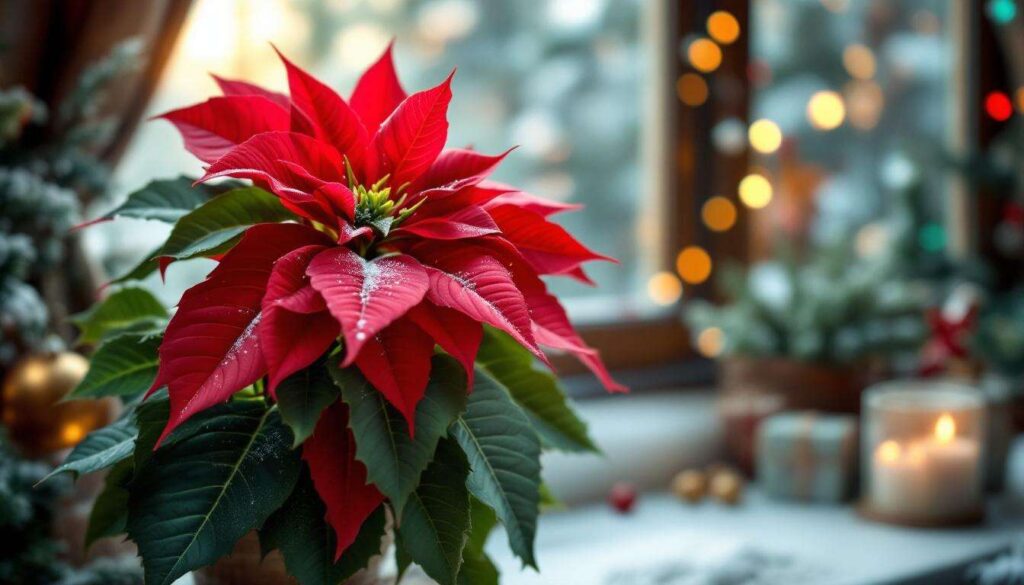
Every December, millions of households across Britain welcome a vibrant splash of crimson into their homes. The poinsettia, with its striking red bracts and festive appearance, has become synonymous with the Christmas season. Yet despite its popularity as the most gifted winter plant, this Mexican native often meets an untimely demise within just two days of arrival. The good news is that keeping your poinsettia thriving throughout the festive period and beyond requires nothing more than understanding a few basic principles. The plant’s reputation for being difficult is largely undeserved, stemming from simple misunderstandings about its needs rather than any inherent fragility.
The charm of the poinsettia in winter
A botanical symbol of celebration
The poinsettia, scientifically known as Euphorbia pulcherrima, transforms homes during the coldest months with its vivid displays. What many people mistake for petals are actually modified leaves called bracts, which surround the plant’s true flowers. These bracts come in various colours:
- Classic red varieties that dominate shop displays
- Elegant white cultivars for minimalist décor
- Pink and cream varieties for softer palettes
- Marbled and speckled options for unique aesthetics
Cultural significance and gifting traditions
Beyond its visual appeal, the poinsettia carries symbolic weight in winter celebrations. In Victorian times, the plant became associated with good cheer and success. Today, it represents the spirit of generosity, making it the perfect gift for hosts, colleagues, and loved ones. Its relatively affordable price point combined with dramatic appearance explains why over thirty million poinsettias are sold annually in the UK alone. The plant’s ability to brighten dark winter days has cemented its position as an essential seasonal decoration.
Understanding why these beautiful plants fail so quickly reveals the key to their survival.
Why poinsettias die so quickly
Temperature shock and environmental stress
The primary killer of poinsettias is sudden temperature change. These plants originate from the warm regions of Mexico and Central America, where they grow as shrubs in consistently mild conditions. When transported from a heated greenhouse to a cold car park, then into a centrally heated home, the plant experiences extreme stress. This thermal shock causes leaves to drop within hours, creating the impression of a delicate or dying plant.
Moisture imbalance issues
Watering problems account for the second most common cause of rapid decline. The following table illustrates the consequences of improper watering:
| Watering mistake | Visible symptoms | Time to damage |
|---|---|---|
| Overwatering | Yellow leaves, root rot | 24-48 hours |
| Underwatering | Wilting, leaf drop | 12-24 hours |
| Cold water shock | Sudden wilting | 2-6 hours |
Poinsettias require consistent moisture without waterlogging. Their roots are particularly susceptible to rot when sitting in water, yet they also cannot tolerate complete drying out. This narrow margin for error catches many owners off guard, leading to swift deterioration.
Recognising these vulnerabilities helps identify the specific mistakes that seal the plant’s fate.
Common maintenance mistakes
The decorative foil wrapper trap
Perhaps the most insidious mistake involves the attractive foil wrapper that poinsettias arrive in. Whilst visually appealing, this covering creates a waterlogged environment when water cannot drain away. Roots quickly suffocate and rot, causing the plant to collapse. Many people assume the wrapper is part of the pot system and never remove it, inadvertently creating fatal conditions.
Placement near heat sources
Positioning poinsettias near radiators, fireplaces, or heating vents ranks amongst the most common errors. The following locations prove particularly problematic:
- Windowsills above active radiators
- Mantelpieces with open fires below
- Kitchen counters near ovens
- Hallway tables beside heating units
Ignoring light requirements
Whilst poinsettias need bright conditions, direct sunlight through cold windows creates temperature fluctuations that stress the plant. Similarly, placing them in dimly lit corners causes bract fading and leaf drop. The plant requires approximately six hours of indirect bright light daily to maintain its colour and vigour.
Armed with knowledge of what goes wrong, implementing correct care becomes straightforward.
Tips to prolong the life of the poinsettia
Establishing a proper watering routine
The golden rule for poinsettia watering involves checking soil moisture before adding water. Insert a finger approximately two centimetres into the soil; if it feels dry, water thoroughly until liquid drains from the bottom. Always use room temperature water to avoid shocking the roots. Empty any water that collects in saucers within thirty minutes to prevent waterlogging.
Temperature management strategies
Maintaining consistent temperatures between 15°C and 21°C provides optimal conditions. Avoid placing poinsettias where they experience:
- Draughts from opening doors
- Cold air from windows at night
- Hot air blasts from heating systems
- Temperature drops below 12°C
Humidity considerations
Central heating dries indoor air considerably, which stresses poinsettias accustomed to humid environments. Misting leaves lightly with lukewarm water once or twice weekly helps maintain adequate humidity. Alternatively, placing the pot on a tray of pebbles with water creates localised humidity without waterlogging the roots.
Beyond these care fundamentals, selecting the right spot in your home makes an enormous difference.
Choosing the right location for the poinsettia
Ideal room characteristics
Living rooms and bedrooms typically offer the best environments for poinsettias, provided they meet specific criteria. The location should receive bright, indirect natural light throughout the day whilst maintaining stable temperatures. Avoid rooms with extreme temperature swings, such as conservatories that overheat during sunny spells or cool dramatically at night.
Distance from environmental hazards
Position your poinsettia at least one metre away from any heat source and away from cold draughts. The following distances provide safe guidelines:
| Hazard type | Minimum distance | Reason |
|---|---|---|
| Radiators | 1.5 metres | Prevents dehydration |
| External doors | 2 metres | Avoids cold draughts |
| Single-glazed windows | 30 centimetres | Prevents cold exposure |
Accessibility for care
Choose a location where you can easily monitor and water the plant. Placing poinsettias on high shelves or in awkward corners makes regular maintenance difficult, leading to neglect. Accessibility ensures you notice early warning signs of distress and can respond promptly.
With proper placement secured, implementing straightforward care solutions completes the picture.
Simple solutions for a healthy poinsettia
The immediate rescue plan
If your poinsettia already shows signs of distress, take immediate action. Remove any decorative foil wrapping and ensure the pot has adequate drainage holes. Water if the soil feels dry, then relocate the plant to a stable environment away from temperature extremes. Most poinsettias recover within days when conditions improve, demonstrating their resilience when given proper care.
Long-term maintenance schedule
Establishing a simple routine ensures ongoing success:
- Check soil moisture every two to three days
- Water when the top two centimetres feel dry
- Rotate the pot weekly for even light exposure
- Remove any fallen leaves promptly
- Monitor for pests, particularly whitefly
Extending life beyond Christmas
With appropriate care, poinsettias can thrive for months beyond the festive season. Some enthusiasts successfully keep their plants year-round, encouraging them to produce colourful bracts again the following winter. This requires specific light manipulation in autumn, but demonstrates that these plants are far from the disposable decorations many perceive them to be.
The poinsettia’s unfortunate reputation as a fragile plant stems entirely from misunderstanding its basic needs rather than any inherent weakness. By avoiding temperature shock, ensuring proper drainage, maintaining consistent watering, and choosing appropriate locations, these stunning winter plants can flourish throughout the season and beyond. The fix truly is simple: treat your poinsettia as the tropical plant it is, providing warmth, stability, and attention. With these straightforward measures, your gifted poinsettia will reward you with weeks of vibrant colour rather than becoming another casualty of well-meaning but misguided care. The most gifted winter plant deserves better than a forty-eight-hour lifespan, and now you possess the knowledge to ensure it receives exactly that.