



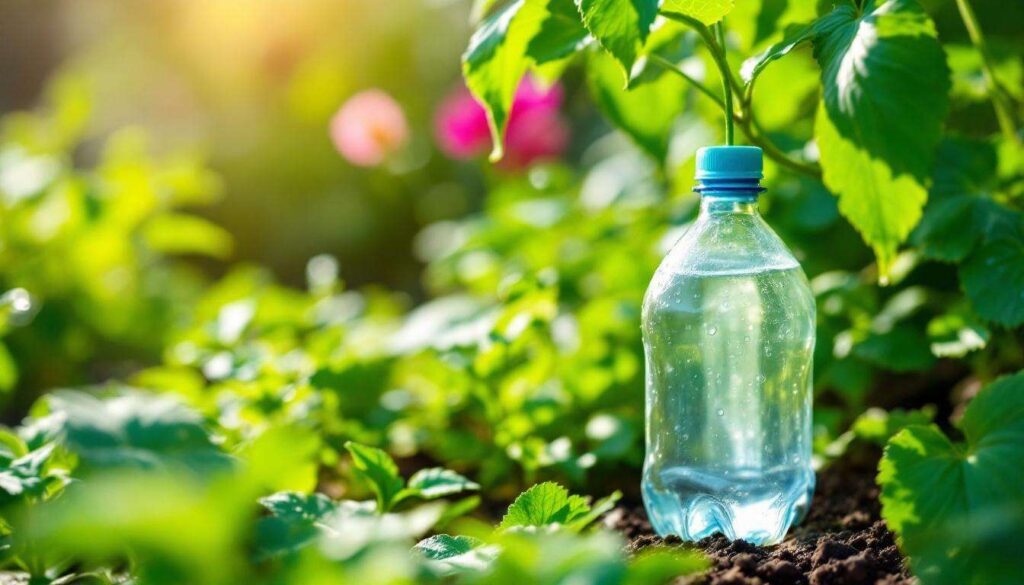
Leaving plants unattended during a holiday can be a source of anxiety for any gardener. The fear of returning to wilted, dried-out specimens is all too real, particularly during the warmer months when water evaporates rapidly. Fortunately, a simple and cost-effective solution exists that has proven remarkably successful: the plastic bottle watering system. This ingenious technique has kept plants thriving for up to three weeks, providing a reliable alternative to expensive automatic irrigation systems or imposing upon neighbours for watering duties.
Understanding the principle of the plastic bottle watering system
The basic mechanism behind slow-release watering
The plastic bottle watering system operates on a straightforward principle of gravity-fed irrigation. When a bottle filled with water is inverted and inserted into soil, water gradually seeps out through small perforations in the cap or neck. The rate of water release is controlled by soil moisture levels and air pressure within the bottle, creating a self-regulating system that responds to the plant’s actual needs rather than following a predetermined schedule.
This method works particularly well because:
- Water is delivered directly to the root zone where plants need it most
- The system minimises evaporation compared to surface watering
- Plants draw moisture as required, preventing both drought and waterlogging
- The technique requires no electricity or complex installation
Scientific basis for effectiveness
The success of this technique relies on capillary action and osmotic pressure within the soil. As the growing medium dries out, it creates a suction effect that draws water from the bottle. Conversely, when the soil is sufficiently moist, this suction decreases, and water flow slows or stops entirely. This natural feedback mechanism ensures plants receive consistent hydration without human intervention.
Having grasped the underlying principles, the next consideration is why plastic bottles specifically make such excellent irrigation vessels.
Why choose a plastic bottle for holiday watering
Accessibility and cost advantages
Plastic bottles represent the most accessible watering solution for the average household. Nearly everyone has empty bottles readily available, eliminating the need for purchasing specialised equipment. This zero-cost approach makes the technique particularly appealing for budget-conscious gardeners or those with numerous plants requiring hydration during absence.
| Method | Approximate cost | Availability |
|---|---|---|
| Plastic bottle system | £0 | Immediate |
| Commercial watering globes | £8-£20 | Requires purchase |
| Automatic drip system | £30-£150 | Requires installation |
Environmental and practical benefits
Repurposing plastic bottles for irrigation contributes to waste reduction whilst serving a practical purpose. Rather than discarding bottles after single use, they gain a second life as functional gardening tools. The transparency of plastic also allows gardeners to monitor water levels at a glance, making it easy to assess how much hydration remains before departure.
Furthermore, bottles come in various sizes, from small 500ml containers suitable for individual potted plants to large 2-litre vessels capable of sustaining larger specimens or outdoor garden beds. This versatility ensures the system can be scaled appropriately for different gardening scenarios.
With the advantages established, attention must turn to the practical aspects of implementation.
How to prepare and install the device effectively
Materials required and preparation steps
Setting up the system requires minimal materials and effort. The essential components include:
- Clean plastic bottles of appropriate size for your plants
- A sharp implement for creating drainage holes (nail, drill bit, or pin)
- Water, preferably at room temperature
- Optional: fabric or cotton wool to regulate flow rate
Begin by thoroughly cleaning the bottle to remove any residue that might contaminate the soil. Create several small holes in the bottle cap or upper neck area—typically between 3 and 8 holes depending on bottle size and plant water requirements. The hole size should be approximately 1-2mm in diameter to ensure gradual rather than rapid water release.
Installation techniques for optimal results
Proper installation is crucial for system effectiveness. Fill the prepared bottle completely with water, then place your finger or palm over the perforated area before inverting it. Insert the bottle neck approximately 5-8cm into the soil, ensuring it’s positioned near the plant’s root zone but not directly against the stem, which could cause rot.
For potted plants, angle the bottle slightly towards the centre of the pot. In garden beds, position bottles between plants to create overlapping hydration zones. Press the bottle firmly into the soil to create a seal that prevents air from entering too rapidly, which would cause water to drain too quickly.
Once installed correctly, the system requires fine-tuning based on the specific plants being watered.
Tips to optimise watering based on plant type
Adjusting for moisture preferences
Different plants have vastly different hydration requirements, necessitating customisation of the bottle system. Succulents and cacti, which prefer dry conditions, benefit from fewer and smaller holes, whilst moisture-loving ferns and tropical plants require larger or more numerous perforations to maintain adequate dampness.
| Plant category | Number of holes | Bottle size recommendation |
|---|---|---|
| Succulents/cacti | 2-3 small holes | 500ml-1L |
| Standard houseplants | 4-6 medium holes | 1-2L |
| Moisture-loving plants | 6-8 larger holes | 2L |
Container size and soil considerations
The volume of growing medium significantly impacts water requirements. Small pots with limited soil dry out more rapidly than large containers, necessitating more frequent bottle refills or larger reservoirs. Clay pots, being porous, also lose moisture faster than plastic or glazed ceramic containers.
For outdoor plants, consider mulching around the bottle insertion point to reduce evaporation and maintain consistent soil temperature. In particularly hot climates, positioning bottles on the shaded side of plants can extend their effectiveness.
Understanding these variables leads naturally to examining how long the system can realistically sustain plants.
Duration of effectiveness and limits of automatic watering with a plastic bottle
Expected timeframes for different scenarios
Under typical conditions, a properly configured plastic bottle system can maintain plants for between one and three weeks. The actual duration depends on multiple factors including bottle size, hole configuration, plant type, pot size, ambient temperature, and humidity levels. A 2-litre bottle serving a medium-sized houseplant in moderate conditions typically lasts approximately 10-14 days.
Testing the system before departure is essential for accurate assessment. Set up the bottles at least 3-4 days in advance and monitor water depletion rates to gauge whether adjustments are needed.
Recognising system limitations
Despite its effectiveness, the plastic bottle method has inherent constraints that gardeners must acknowledge:
- Not suitable for very large plants with extensive root systems
- May overflow in extremely humid conditions
- Cannot compensate for inadequate initial soil moisture
- Requires stable positioning to prevent tipping
- Limited effectiveness for outdoor plants during heatwaves
For absences exceeding three weeks, combining bottle irrigation with other strategies—such as moving plants to shadier locations or grouping them together to increase humidity—becomes necessary.
Evaluating this method against alternative solutions provides valuable perspective on its relative merits.
Comparison with other holiday watering techniques
Traditional methods and their drawbacks
Several conventional approaches exist for maintaining plants during absence. Asking neighbours or friends to water remains popular but introduces reliability concerns and imposes obligations on others. Watering globes, whilst decorative and functional, come at a cost and may not suit all pot sizes. Capillary matting systems work well for multiple small pots but require specific setup and water reservoirs.
Modern alternatives and cost analysis
Automated drip irrigation systems offer precision and reliability but demand significant financial investment and installation expertise. Smart watering devices with timers and moisture sensors provide excellent control yet require electricity and can malfunction.
| Method | Reliability | Setup complexity | Suitability for varied plants |
|---|---|---|---|
| Plastic bottles | High | Very low | Excellent |
| Neighbour assistance | Variable | Low | Good |
| Automatic systems | Very high | High | Excellent |
| Watering globes | Moderate | Low | Limited |
The plastic bottle technique strikes an optimal balance between effectiveness, accessibility, and cost, making it particularly suitable for occasional holidaymakers rather than frequent travellers who might justify investment in permanent irrigation infrastructure.
The plastic bottle watering system has demonstrated remarkable effectiveness as a holiday plant care solution, successfully maintaining hydration for up to three weeks when properly implemented. Its appeal lies in the combination of zero cost, minimal preparation, and reliable performance across diverse plant types. By understanding the underlying principles, customising hole configurations for specific plants, and acknowledging the method’s limitations, gardeners can confidently leave their green companions unattended. Whilst more sophisticated irrigation technologies exist, the humble plastic bottle remains an accessible and environmentally conscious choice that transforms potential waste into functional garden equipment, proving that effective solutions need not be complex or expensive.