



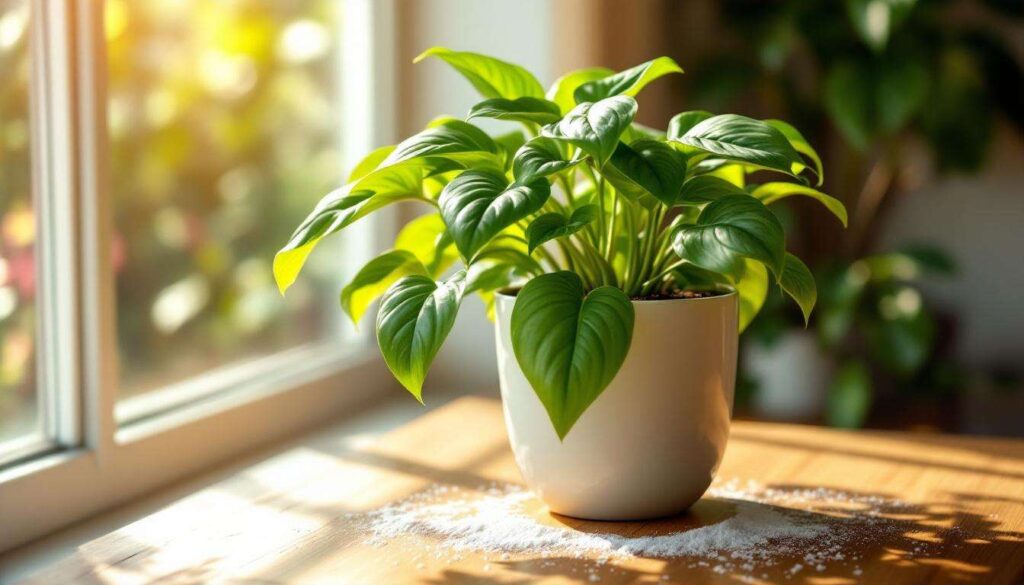
Houseplant enthusiasts are constantly seeking innovative ways to maintain healthy, thriving indoor gardens without resorting to harsh chemicals. Amongst the array of natural solutions available, one humble kitchen staple has emerged as a surprisingly effective ally: baking soda. This versatile white powder, typically associated with baking and cleaning, offers remarkable benefits for indoor plants when used correctly. From adjusting soil pH levels to combating fungal infections, baking soda provides an affordable, eco-friendly approach to plant care that deserves serious consideration from anyone nurturing greenery indoors.
Introduction to baking soda for houseplants
What makes baking soda suitable for plant care
Baking soda, scientifically known as sodium bicarbonate, possesses unique chemical properties that make it remarkably useful in horticulture. This alkaline compound interacts with various elements in soil and on plant surfaces in ways that can benefit overall plant health. Its mild abrasive quality and ability to neutralise acids have made it a trusted household product for decades, and these same characteristics translate effectively to plant care applications.
The compound works through several mechanisms:
- pH regulation in acidic soils
- Antifungal properties that inhibit pathogen growth
- Salt composition that creates unfavourable conditions for certain pests
- Gentle cleaning action on leaf surfaces
Historical use in gardening practices
Gardeners have employed baking soda for generations, though its popularity has fluctuated with the rise and fall of commercial alternatives. Traditional gardening wisdom recognised its value long before scientific studies confirmed its efficacy. Organic gardening movements particularly embraced sodium bicarbonate as a non-toxic solution that aligns with sustainable practices, avoiding synthetic chemicals that might harm beneficial soil organisms or contaminate groundwater.
Understanding these foundational aspects naturally leads to examining the specific ways baking soda improves the growing medium itself.
The benefits of baking soda for the soil
Adjusting soil pH levels
One of the most significant advantages of baking soda lies in its capacity to modify soil acidity. Many houseplants struggle in overly acidic conditions, which can lock out essential nutrients and stunt growth. When applied judiciously, baking soda raises pH levels, creating a more neutral environment where nutrient availability improves dramatically.
| Soil condition | pH range | Baking soda effect |
|---|---|---|
| Highly acidic | Below 5.5 | Significant increase |
| Moderately acidic | 5.5-6.5 | Gentle adjustment |
| Neutral to alkaline | Above 7.0 | Not recommended |
Improving nutrient absorption
Soil pH directly influences how plants absorb nutrients. When the growing medium becomes too acidic, essential minerals like nitrogen, phosphorus, and potassium become chemically bound in forms that plant roots cannot utilise. By bringing pH closer to optimal ranges, baking soda unlocks these nutrients, making them bioavailable. This enhanced absorption manifests as improved growth rates, deeper green colouration, and more robust root systems.
Beyond soil chemistry, baking soda offers protective qualities that address common plant health challenges.
How baking soda combats plant diseases
Antifungal properties against common infections
Fungal diseases represent one of the most persistent threats to houseplants, particularly in humid indoor environments. Powdery mildew, leaf spot, and root rot can devastate a collection if left unchecked. Baking soda creates an alkaline surface environment that inhibits fungal spore germination and mycelial growth. Research has demonstrated that sodium bicarbonate solutions effectively suppress various fungal pathogens without the toxicity associated with synthetic fungicides.
Preventing and treating powdery mildew
Powdery mildew appears as white, dusty patches on leaves and stems, thriving in conditions with poor air circulation. A properly prepared baking soda spray interrupts the fungal life cycle at multiple stages. The treatment works best as a preventative measure or early intervention rather than a cure for severe infections.
Effective application involves:
- Mixing one teaspoon of baking soda per litre of water
- Adding a few drops of liquid soap to improve adherence
- Spraying thoroughly on affected and surrounding foliage
- Applying during cooler parts of the day to prevent leaf burn
- Repeating weekly until symptoms disappear
Protection against bacterial and viral issues
While baking soda primarily targets fungal problems, its ability to alter surface pH provides some protection against bacterial colonisation. Though less effective against viruses, maintaining overall plant vigour through proper care—including strategic baking soda use—helps plants resist various pathogens through enhanced natural defences.
Disease prevention naturally connects to overall plant appearance and vitality.
Using baking soda for vibrant foliage
Cleaning dusty leaves safely
Indoor environments accumulate dust that settles on plant leaves, blocking stomata and reducing photosynthetic efficiency. A gentle baking soda solution serves as an effective, non-toxic cleaning agent. Mixed at a very dilute concentration—approximately one-quarter teaspoon per litre of water—it removes grime without damaging delicate leaf tissues. The mild abrasive action lifts dirt whilst the solution’s chemistry helps break down oily residues.
Enhancing leaf colour and shine
Regular, careful cleaning with diluted baking soda solutions can contribute to more lustrous foliage. By removing the film that dulls leaf surfaces, plants regain their natural sheen. Additionally, improved light penetration following cleaning enhances chlorophyll production, resulting in deeper, richer green tones. This aesthetic improvement reflects genuine health benefits rather than artificial enhancement.
However, achieving these benefits requires understanding proper application methods and potential risks.
Precautions and tips for using baking soda
Correct dilution ratios
The concentration of baking soda solutions determines whether the treatment helps or harms plants. Excessive amounts can damage roots, burn foliage, or create excessively alkaline conditions. Standard recommendations suggest:
| Purpose | Concentration | Application frequency |
|---|---|---|
| Fungal treatment | 1 tsp per litre | Weekly as needed |
| Leaf cleaning | ¼ tsp per litre | Monthly maximum |
| Soil amendment | ½ tsp per 2 litres water | Every 2-3 months |
Plants that may not tolerate baking soda
Not all houseplants respond favourably to baking soda applications. Species that naturally prefer acidic conditions may suffer from pH adjustments. Acid-loving plants require particular caution:
- Azaleas and rhododendrons
- Gardenias
- Ferns
- Blueberry plants
- Camellias
Application timing and methods
Applying baking soda solutions during the coolest parts of the day—early morning or evening—minimises the risk of leaf burn. Never apply to plants in direct sunlight or during heat stress. Always test on a small section of foliage before treating entire plants, waiting 24-48 hours to observe any adverse reactions. For soil applications, water thoroughly beforehand to prevent root shock from sudden pH changes.
For those seeking additional options, several other natural substances offer comparable benefits.
Natural alternatives to baking soda for your plants
Neem oil for pest and disease control
Extracted from neem tree seeds, this botanical pesticide provides broad-spectrum protection against insects, fungi, and mites. Unlike baking soda, neem oil works through multiple mechanisms, including disrupting insect life cycles and coating fungal spores. It proves particularly effective against aphids, spider mites, and scale insects whilst also addressing fungal issues.
Apple cider vinegar for pH adjustment
Whereas baking soda raises pH, apple cider vinegar lowers it—making it ideal for plants requiring acidic conditions. Diluted at one tablespoon per gallon of water, it gently acidifies soil over time. This makes it the complementary opposite of sodium bicarbonate in pH management strategies.
Cinnamon as a natural fungicide
Ground cinnamon possesses antifungal properties without altering soil chemistry. Dusted directly onto soil surfaces or mixed into potting medium, it prevents damping-off in seedlings and suppresses fungal growth around established plants. Its pleasant aroma represents an additional advantage over chemical alternatives.
Milk spray for powdery mildew
Diluted milk—typically one part milk to nine parts water—creates an environment hostile to powdery mildew. The proteins in milk interfere with fungal metabolism whilst providing a mild nutrient boost. This method works particularly well on vegetables and ornamentals with large leaf surfaces.
Baking soda represents just one tool in a comprehensive natural plant care approach. Its effectiveness in adjusting soil pH, combating fungal diseases, and maintaining clean foliage makes it valuable for many houseplant situations. The key to success lies in understanding proper concentrations, recognising which plants benefit most, and combining it with sound horticultural practices. Whether used alone or alongside alternatives like neem oil and cinnamon, sodium bicarbonate offers an accessible, affordable solution that aligns with sustainable gardening principles. By incorporating this simple kitchen ingredient thoughtfully into plant care routines, indoor gardeners can support healthier, more resilient houseplants without relying on synthetic chemicals.