


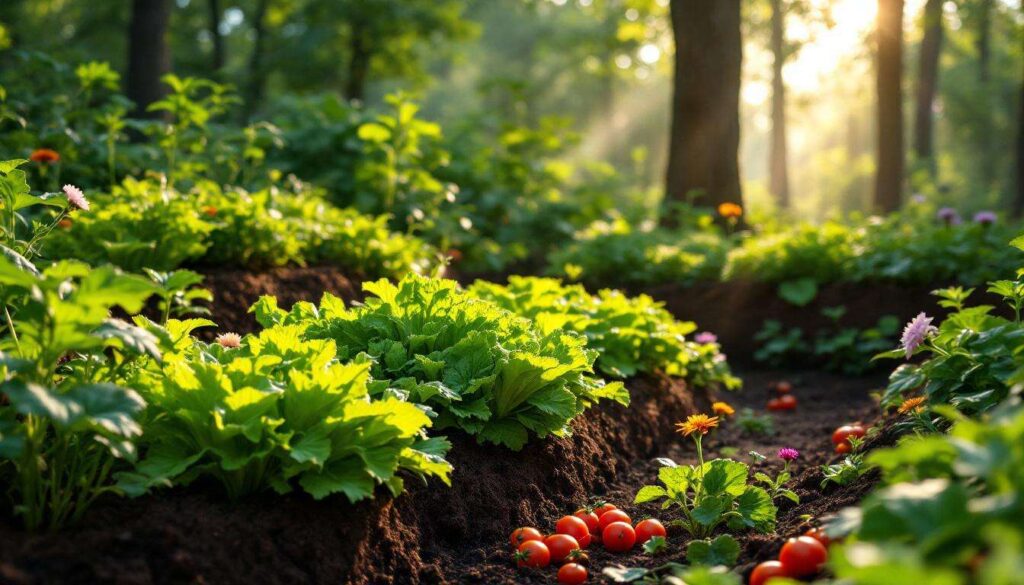
Gardeners seeking to enhance soil fertility and boost vegetable production are increasingly turning their attention to an age-old practice that has sustained agricultural communities for generations. The technique of burying wood beneath garden beds, known as hügelkultur in some circles, represents a fusion of traditional wisdom and ecological understanding. This method transforms decomposing timber into a long-term reservoir of nutrients and moisture, creating ideal conditions for vigorous plant growth whilst simultaneously addressing waste management concerns. By incorporating woody materials into the foundation of growing spaces, cultivators establish a self-sustaining system that reduces the need for external inputs whilst improving harvests year after year.
Introduction to the traditional approach
Historical roots of wood burial practices
The practice of incorporating wood into agricultural land has ancient origins spanning multiple continents and cultures. Eastern European farmers developed sophisticated methods of layering logs and branches beneath raised beds, whilst indigenous communities in various regions recognised the value of decomposing timber as a foundation for productive growing areas. These traditional approaches emerged from careful observation of natural forest ecosystems, where fallen trees create fertile micro-environments that support abundant plant life.
Historical records indicate that subsistence farmers often utilised this technique when clearing forested land, recognising that buried wood contributed to exceptional crop yields for extended periods. The method proved particularly valuable in areas with challenging soil conditions, where conventional cultivation struggled to produce adequate results.
The science behind wood decomposition
As timber breaks down beneath the soil surface, it undergoes a complex transformation involving microbial activity, fungal colonisation, and gradual nutrient release. This decomposition process creates several beneficial effects:
- Progressive release of carbon compounds that feed soil organisms
- Development of a sponge-like structure that retains moisture
- Creation of air pockets that improve soil aeration
- Establishment of fungal networks that facilitate nutrient exchange
- Gradual warming of soil through decomposition heat
The buried wood essentially functions as a slow-release fertiliser and water reservoir, providing consistent support to plants throughout the growing season. Understanding these mechanisms helps modern gardeners appreciate why this traditional method delivers such impressive results.
These foundational principles set the stage for examining the broader environmental advantages that extend beyond individual garden plots.
The ecological benefits of burying wood
Carbon sequestration and climate impact
Burying wood represents a practical form of carbon capture at the domestic level. Rather than allowing timber to decompose above ground or burning it, which releases carbon dioxide rapidly, subsurface placement slows the release process considerably. The wood gradually transforms into stable humus compounds that remain in the soil for decades, effectively locking away atmospheric carbon whilst simultaneously improving growing conditions.
This approach aligns with broader environmental goals by reducing garden waste sent to landfills and minimising the carbon footprint associated with commercial fertiliser production and transportation.
Water conservation advantages
The moisture-retention properties of decomposing wood prove particularly valuable during periods of drought or water restrictions. As the timber breaks down, it develops a porous structure capable of absorbing and storing substantial quantities of water. This natural reservoir releases moisture gradually to plant roots, reducing irrigation requirements by an estimated 20-40% compared to conventional beds.
| Garden type | Water retention capacity | Irrigation frequency |
|---|---|---|
| Traditional bed | Standard | Every 2-3 days |
| Wood-based bed (year 1) | Moderate increase | Every 3-4 days |
| Wood-based bed (year 2+) | Significant increase | Every 5-7 days |
Biodiversity enhancement
Buried timber creates habitat opportunities for beneficial organisms that contribute to garden health. Earthworms colonise the moist wood, creating channels that improve drainage and aeration. Beneficial fungi establish mycelial networks that connect plant roots and facilitate nutrient exchange. Predatory beetles and other helpful insects find refuge in the decomposing material, establishing populations that control pest species naturally.
This biological richness translates directly into healthier plants with improved disease resistance and vigour, demonstrating how environmental benefits and productive outcomes interconnect seamlessly.
Achieving these advantages requires proper preparation of the growing area before implementation begins.
How to prepare your soil for burying
Assessing your site conditions
Successful implementation begins with careful evaluation of the intended location. Consider drainage patterns, existing soil composition, and sun exposure when selecting the site. Areas prone to waterlogging may require additional drainage measures, whilst sandy soils benefit particularly from the water-retention properties of buried wood. Testing soil pH provides valuable baseline information, though the wood burial method proves adaptable to various pH ranges.
Document the current state of your growing area through photographs and notes, establishing a reference point for measuring future improvements in soil structure and plant performance.
Selecting appropriate wood materials
Not all timber proves equally suitable for this application. Hardwoods such as oak, beech, and ash decompose slowly, providing long-lasting benefits, whilst softwoods like pine break down more rapidly but still offer substantial advantages. The optimal approach involves mixing wood types to create varied decomposition rates.
- Avoid treated timber containing preservatives or chemicals
- Exclude wood from diseased trees that might harbour pathogens
- Include branches, twigs, and smaller pieces alongside larger logs
- Consider partially decomposed wood for faster initial benefits
- Utilise wood chips and sawdust as supplementary materials
Excavation and layout planning
The depth and configuration of your wood burial trench significantly influences outcomes. A trench depth of 30-60 centimetres accommodates substantial woody material whilst maintaining adequate topsoil coverage for planting. Width depends on available materials and intended bed dimensions, though 60-120 centimetres proves practical for most vegetable gardens.
Orient beds to maximise sun exposure for your chosen crops, and consider creating permanent pathways between beds to prevent soil compaction in growing areas. This planning phase establishes the framework for long-term garden productivity.
With preparation complete, attention turns to the practical steps that transform these plans into reality.
Steps for successful implementation
Layering technique fundamentals
The construction process follows a systematic approach that maximises decomposition efficiency and nutrient availability. Begin by placing larger logs at the trench bottom, creating a foundation layer that provides long-term structure. Fill gaps between logs with smaller branches, creating a dense woody matrix that eliminates large air pockets.
Subsequent layers should include:
- A layer of smaller twigs and woody debris
- Fresh green materials such as grass clippings or vegetable scraps
- Aged compost or well-rotted manure
- The original topsoil, returned to cover all materials
- Additional compost or quality topsoil to create planting depth
Each layer contributes specific benefits, with green materials providing nitrogen to fuel decomposition whilst compost introduces beneficial microorganisms.
Moisture management during construction
Thoroughly soaking each layer as you build ensures that decomposition begins immediately and proceeds efficiently. Dry wood absorbs moisture from surrounding soil, potentially creating water stress for plants. Saturating the woody materials during installation prevents this issue whilst accelerating microbial colonisation.
Allow 24-48 hours for initial settling before planting, adding additional topsoil if substantial subsidence occurs. The bed surface may continue settling gradually during the first season as decomposition progresses.
Initial planting considerations
First-year planting strategies should account for the nitrogen draw-down that occurs as microorganisms multiply to decompose woody materials. Heavy-feeding crops like tomatoes, courgettes, and squash perform well despite this temporary nitrogen reduction, particularly when supplemented with compost tea or liquid fertiliser.
Alternatively, focus initial plantings on nitrogen-fixing legumes such as beans and peas, which actually contribute nitrogen whilst benefiting from improved moisture retention. By the second growing season, the bed reaches peak productivity as decomposition balances and nutrient availability increases substantially.
Understanding potential challenges helps gardeners navigate the implementation process smoothly and avoid common mistakes.
Common pitfalls to ensure optimal yield
Avoiding nitrogen depletion issues
The most frequent challenge involves inadequate nitrogen availability during initial decomposition phases. Microorganisms breaking down carbon-rich wood consume available nitrogen, temporarily reducing supplies for plants. Counter this by incorporating nitrogen-rich amendments throughout the layering process rather than relying solely on topsoil nutrients.
Effective nitrogen sources include:
- Fresh grass clippings in moderate quantities
- Well-aged animal manures
- Blood meal or other organic nitrogen supplements
- Comfrey leaves or other high-nitrogen plant materials
Preventing excessive settling and compaction
Beds constructed with insufficient attention to layer density may experience dramatic settling that exposes buried materials or creates uneven planting surfaces. Firm each layer during construction without excessive compaction, striking a balance between stability and aeration. Adding soil gradually over the first few weeks addresses settling whilst maintaining appropriate planting depth.
Managing pest attraction concerns
Decomposing wood occasionally attracts unwanted visitors including termites, carpenter ants, or rodents seeking nesting sites. Maintaining appropriate burial depth (minimum 15 centimetres of soil cover) discourages most pest issues. Avoid placing beds directly against building foundations, and monitor regularly for signs of problematic activity.
| Issue | Prevention strategy | Remedial action |
|---|---|---|
| Nitrogen deficiency | Layer nitrogen sources during construction | Apply liquid fertiliser or compost tea |
| Excessive settling | Firm layers and use varied wood sizes | Add topsoil as needed |
| Pest colonisation | Maintain adequate soil coverage | Increase monitoring and adjust placement |
Real-world experiences from practitioners provide valuable insights into the practical outcomes achievable through this method.
Testimonies and tangible results
Documented yield improvements
Gardeners implementing wood burial techniques report substantial increases in vegetable production, with many documenting 30-50% yield improvements by the second growing season. Tomato plants frequently produce larger fruits over extended periods, whilst root vegetables develop more robust growth in the improved soil structure. The extended harvest window proves particularly valuable, with crops maintaining productivity later into autumn due to enhanced moisture retention.
Long-term soil transformation observations
Practitioners maintaining wood-based beds for multiple years describe remarkable soil improvements. Initially heavy clay soils develop friable, workable texture, whilst sandy soils gain structure and water-holding capacity. The dark, crumbly humus that develops resembles premium potting compost, representing a dramatic transformation from original conditions.
Earthworm populations typically increase substantially, with some gardeners reporting ten-fold increases in worm numbers compared to adjacent conventional beds. This biological activity creates natural aeration and nutrient cycling that sustains productivity without ongoing intensive management.
Resource efficiency achievements
Beyond production metrics, users emphasise the practical advantages of reduced maintenance requirements. Water bills decrease noticeably for those using metered supplies, whilst fertiliser purchases diminish as the beds develop self-sustaining fertility. Garden waste that previously required disposal finds productive use, creating a closed-loop system that aligns with sustainable gardening principles.
Several practitioners note that the initial labour investment pays dividends through years of reduced ongoing work, making this approach particularly appealing for time-constrained gardeners seeking maximum returns from minimal continuing effort.
The convergence of traditional knowledge and contemporary environmental awareness makes wood burial an increasingly relevant technique for modern vegetable gardeners. This approach delivers measurable improvements in soil quality, water efficiency, and crop productivity whilst addressing waste management and carbon sequestration concerns. The method’s adaptability to various climates, soil types, and garden scales ensures broad applicability, whether implemented in modest raised beds or extensive growing areas. Initial effort during construction establishes a foundation for years of enhanced harvests with progressively reduced maintenance requirements, representing a sound investment for gardeners committed to sustainable, productive cultivation practices.