



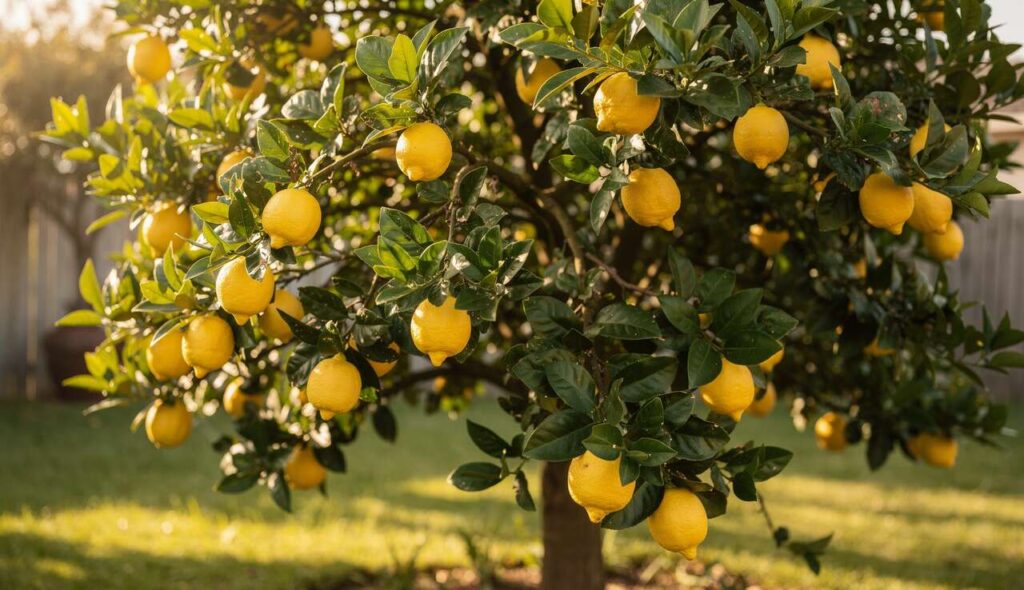
Lemon trees bring a touch of Mediterranean charm to any garden, but when these citrus beauties start to falter, many gardeners find themselves at a loss. Yellowing leaves, stunted growth, and a lack of fruit can signal that your tree is crying out for help. The good news is that the solution might already be sitting in your kitchen bin. Coffee grounds, often discarded without a second thought, contain valuable nutrients that can transform a struggling lemon tree into a thriving specimen within days. This humble household waste offers a cost-effective and sustainable way to address common deficiencies that plague citrus plants.
Understanding your lemon tree’s needs
Lemon trees are heavy feeders that require specific conditions to flourish. These evergreen plants demand consistent care and attention to their nutritional requirements throughout the year, particularly during their active growing season from spring through summer.
Essential nutrients for citrus health
Your lemon tree relies on a balanced diet of macronutrients and micronutrients to maintain vigorous growth and fruit production. The primary elements include:
- Nitrogen for lush foliage and overall plant vigour
- Phosphorus to support root development and flowering
- Potassium for disease resistance and fruit quality
- Magnesium essential for chlorophyll production
- Iron to prevent chlorosis and maintain green leaves
Soil pH requirements
Citrus trees thrive in slightly acidic soil with a pH range between 6.0 and 7.0. When soil becomes too alkaline, nutrient uptake becomes compromised, particularly affecting iron absorption. This condition, known as iron chlorosis, manifests as yellowing leaves with green veins and can severely impact your tree’s productivity.
| pH Level | Nutrient Availability | Tree Health |
|---|---|---|
| 5.5-6.5 | Optimal | Excellent |
| 6.5-7.5 | Good | Satisfactory |
| Above 7.5 | Poor | Compromised |
Beyond nutrition and pH levels, lemon trees also require adequate water drainage, full sunlight exposure of at least six hours daily, and protection from frost. These fundamental requirements set the stage for recognising when something goes amiss.
Identifying signs of stress in your tree
Recognising the early warning signs of a struggling lemon tree allows for swift intervention before problems become irreversible. Visual symptoms often provide the first clues that your tree needs assistance.
Leaf discolouration patterns
The foliage of your lemon tree acts as a diagnostic tool revealing underlying issues. Yellowing leaves, particularly when the veins remain green, typically indicate iron deficiency or pH imbalance. Pale, uniformly yellow leaves suggest nitrogen deficiency, whilst brown leaf edges point to potassium shortage or salt accumulation.
Growth and flowering problems
A healthy lemon tree produces new growth regularly during the growing season. When you notice stunted growth, sparse foliage, or an absence of the fragrant white blossoms that precede fruit development, your tree is signalling distress. Premature fruit drop, small fruit size, or a complete lack of fruit production also indicate nutritional stress or environmental challenges.
Root and overall vitality issues
Below-ground problems often manifest above ground. Wilting despite adequate watering, leaf drop, and general lack of vigour may indicate root problems caused by poor drainage, compacted soil, or nutrient depletion. Branch dieback and sparse canopy development further confirm that your tree requires immediate attention.
Once you’ve identified these stress signals, understanding how simple household waste can address these problems becomes the logical next step in your tree’s recovery.
The benefits of household waste for your lemon tree
Coffee grounds emerge as an exceptional soil amendment for citrus trees, offering multiple benefits that address common deficiencies. This readily available waste product transforms from rubbish into a valuable resource for your garden.
Nutritional composition of coffee grounds
Used coffee grounds contain approximately 2% nitrogen, making them a gentle, slow-release fertiliser. They also provide trace amounts of phosphorus, potassium, magnesium, and copper. The slightly acidic nature of coffee grounds, with a pH around 6.5 after brewing, helps maintain the ideal soil conditions that lemon trees prefer.
| Nutrient | Percentage | Benefit |
|---|---|---|
| Nitrogen | 2.0% | Foliage growth |
| Phosphorus | 0.3% | Root development |
| Potassium | 0.3% | Fruit quality |
| Magnesium | Trace | Chlorophyll production |
Soil structure improvement
Beyond nutrition, coffee grounds enhance soil texture and water retention. When incorporated into the soil, they improve aeration in clay soils and increase water-holding capacity in sandy soils. This organic matter also encourages beneficial microbial activity, creating a thriving ecosystem around your tree’s roots.
Pest deterrent properties
Coffee grounds may help repel certain garden pests including slugs, snails, and ants. The caffeine and compounds present in coffee act as natural deterrents, providing an additional layer of protection for your vulnerable citrus tree without resorting to chemical interventions.
With these benefits established, the practical application of coffee grounds becomes the crucial knowledge for achieving rapid results.
How to use coffee waste to revitalise
Proper application of coffee grounds ensures maximum benefit whilst avoiding potential problems. Strategic implementation makes the difference between success and disappointment.
Preparation and application methods
Allow used coffee grounds to dry completely before application to prevent mould growth. Spread a thin layer, no more than half an inch thick, around the base of your lemon tree, keeping the grounds several inches away from the trunk to prevent moisture-related issues. Gently work the grounds into the top inch of soil using a hand fork or rake.
Frequency and quantity guidelines
Apply coffee grounds once every two to four weeks during the growing season. A mature lemon tree can benefit from approximately two to four cups of grounds per application, whilst younger trees require less. Monitor your tree’s response and adjust accordingly, as excessive application can lead to nitrogen overload or soil compaction.
- Week 1: initial application of 2 cups for mature trees
- Week 3: second application if positive response observed
- Week 5: continue regular applications throughout growing season
- Winter: reduce or cease applications during dormancy
Combining with composting
For enhanced results, add coffee grounds to your compost bin where they contribute valuable nitrogen to the composting process. The resulting mature compost provides a more balanced nutrient profile and can be applied as a top dressing or worked into the soil around your lemon tree. This method dilutes the coffee grounds with other organic materials, reducing any risk of over-application.
Whilst coffee grounds offer remarkable benefits, they work best as part of a comprehensive care strategy that addresses all aspects of lemon tree health.
Other tips for healthy growth
A thriving lemon tree requires attention to multiple care factors beyond soil amendments. Holistic management ensures long-term vitality and productivity.
Watering practices
Lemon trees prefer deep, infrequent watering rather than shallow, frequent applications. Water thoroughly when the top two inches of soil feel dry, allowing excess water to drain freely. Container-grown trees require more frequent watering than those planted in the ground, particularly during hot weather.
Pruning and maintenance
Regular pruning maintains tree shape, improves air circulation, and removes dead or diseased wood. Prune in late winter or early spring before new growth emerges. Remove crossing branches, water sprouts, and any growth below the graft union on grafted trees.
Protection from environmental stress
Shield your lemon tree from frost by covering it with horticultural fleece or moving container plants indoors when temperatures drop below 10°C. Provide afternoon shade during extreme heat to prevent leaf scorch. Mulch around the base with organic material to regulate soil temperature and retain moisture, keeping mulch away from the trunk.
These comprehensive care practices underscore why maintaining a healthy lemon tree matters beyond mere aesthetics.
Why a healthy lemon tree is essential
A flourishing lemon tree offers rewards that extend far beyond its ornamental appeal. Multiple benefits justify the effort invested in proper care.
Fresh fruit production
Homegrown lemons provide superior flavour and nutritional value compared to shop-bought alternatives. A healthy tree can produce fruit year-round in suitable climates, offering a continuous supply of vitamin C-rich citrus for cooking, beverages, and preserving. The satisfaction of harvesting your own organic lemons adds immeasurable value to your gardening experience.
Environmental contributions
Lemon trees contribute to cleaner air by absorbing carbon dioxide and releasing oxygen. Their evergreen foliage provides year-round visual interest whilst supporting local ecosystems. The fragrant blossoms attract pollinators including bees and butterflies, enhancing biodiversity in your garden.
Economic and wellbeing benefits
Maintaining a productive lemon tree reduces grocery expenses whilst providing assurance about growing practices and pesticide use. The therapeutic aspects of gardening, combined with the sensory pleasure of citrus fragrance, contribute to mental wellbeing and stress reduction.
Your lemon tree’s health directly impacts these benefits, making consistent care a worthwhile investment in your garden’s productivity and your quality of life.
Revitalising a struggling lemon tree need not involve expensive interventions or complex procedures. Coffee grounds offer an accessible, sustainable solution that addresses common nutritional deficiencies whilst improving soil structure. Combined with proper watering, strategic pruning, and environmental protection, this simple household waste can transform your citrus tree’s health within days. Regular monitoring of your tree’s condition, coupled with timely application of coffee grounds and comprehensive care practices, ensures a productive lemon tree that rewards your efforts with abundant, flavourful fruit for years to come.