
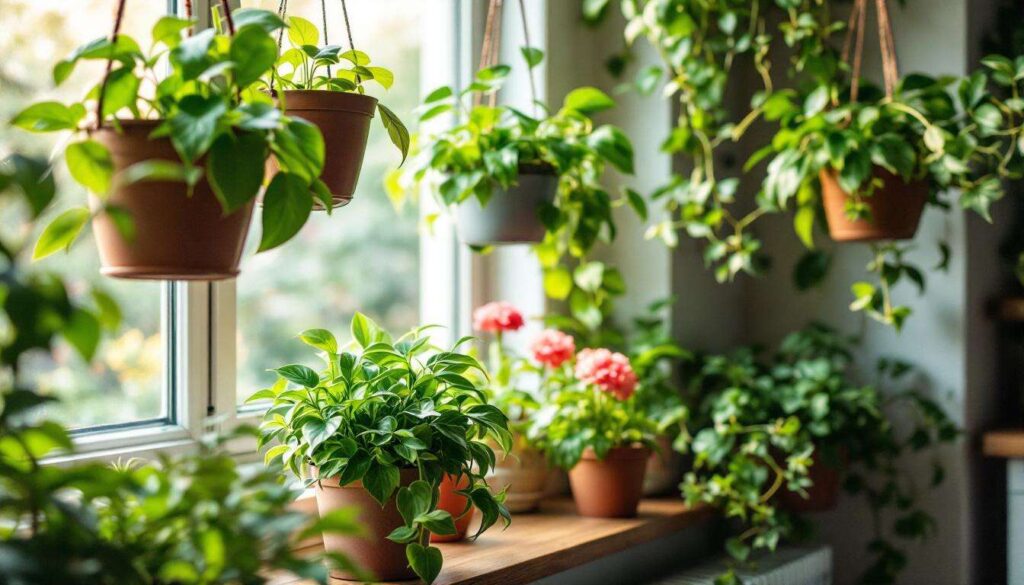
Urban living spaces continue to shrink whilst the desire for fresh, homegrown produce grows stronger. The solution might be simpler than many imagine: hanging plants positioned strategically near windows offer a practical method to cultivate herbs, vegetables and fruits throughout the year. Despite their remarkable efficiency and minimal space requirements, these vertical gardens remain surprisingly underutilised in homes across the country. The combination of natural light, convenient access and continuous harvests makes window-adjacent hanging planters an ideal choice for anyone seeking to enhance their culinary repertoire with fresh ingredients.
The benefits of hanging plants near windows
Maximising natural light exposure
Positioning plants near windows provides optimal access to sunlight, the fundamental requirement for photosynthesis and healthy growth. South-facing windows deliver the most consistent light throughout the day, whilst east-facing openings provide gentle morning sun ideal for delicate herbs. The intensity and duration of natural light directly influence plant productivity, making window placement a critical factor in achieving year-round harvests.
Space efficiency in compact living areas
Hanging planters eliminate the need for valuable floor or counter space, making them particularly suitable for flats and smaller homes. This vertical approach to gardening offers several distinct advantages:
- Utilises otherwise wasted vertical space near windows
- Keeps plants away from curious pets and small children
- Allows for multiple layers of planting at different heights
- Creates an attractive living display that doubles as interior decoration
- Facilitates better air circulation around plants
Year-round accessibility and convenience
The proximity of hanging plants to kitchen and living areas means fresh ingredients remain within arm’s reach whenever needed. This convenience encourages regular harvesting, which actually promotes bushier growth and increased production in many herb varieties. The immediate availability of fresh basil, mint or cherry tomatoes transforms everyday cooking into a more flavourful and nutritious experience.
Understanding these advantages naturally leads to exploring how these suspended gardens can fundamentally alter your living environment beyond mere functionality.
How suspended plantings can transform your space
Aesthetic enhancement and biophilic design
Hanging plants introduce dynamic visual interest to any room, softening hard architectural lines and creating a connection with nature. The cascading foliage of trailing varieties adds movement and texture, whilst the varied greens provide a calming influence on the overall atmosphere. This integration of natural elements aligns with biophilic design principles, which recognise the human need for connection with the natural world even in urban settings.
Air quality improvement
Plants actively filter indoor air through their natural respiration processes. Research has demonstrated that common houseplants can reduce volatile organic compounds and increase oxygen levels. The cumulative effect of multiple hanging plants creates a noticeable improvement in air freshness, particularly in spaces with limited ventilation.
Psychological and wellbeing benefits
The presence of living plants contributes to reduced stress levels and improved mental health. Tending to hanging gardens provides a meditative routine that offers respite from screen-based activities. The satisfaction of nurturing plants from seedling to harvest creates a sense of accomplishment and connection to natural cycles often missing from modern urban life.
With these transformative benefits established, the question becomes which specific plants will thrive in your particular indoor environment.
Choosing the best species for an indoor environment
Herbs for culinary excellence
Herbs represent the most practical choice for hanging window gardens, offering frequent harvests and minimal maintenance requirements. The following varieties perform exceptionally well in suspended planters:
- Basil: requires warm conditions and consistent moisture, produces abundantly when regularly trimmed
- Mint: incredibly vigorous growth, benefits from container restriction, tolerates partial shade
- Thyme: drought-tolerant once established, prefers well-draining soil, compact growth habit
- Oregano: Mediterranean herb requiring good drainage, intensifies flavour with moderate water stress
- Parsley: slower germination but reliable producer, appreciates consistent moisture
Compact vegetables and fruits
Several vegetable varieties have been specifically bred for container cultivation and adapt well to hanging planters. Cherry tomatoes in tumbling varieties produce impressive yields when provided adequate support and nutrition. Strawberries thrive in hanging baskets, with their runners creating an attractive cascading effect whilst producing sweet fruit over extended periods.
Microgreens for rapid harvests
For those seeking immediate gratification, microgreens offer harvests within seven to fourteen days of sowing. These nutrient-dense seedlings require minimal depth, making them perfect for shallow hanging containers. Popular varieties include rocket, radish, mustard and pea shoots, all delivering intense flavours to salads and sandwiches.
| Plant Type | Light Requirements | Harvest Time | Difficulty Level |
|---|---|---|---|
| Basil | 6-8 hours direct sun | 4-6 weeks | Easy |
| Cherry Tomatoes | 8-10 hours direct sun | 60-80 days | Moderate |
| Strawberries | 6-8 hours direct sun | 4-6 weeks after flowering | Easy |
| Microgreens | 4-6 hours indirect light | 7-14 days | Very Easy |
Selecting appropriate species represents only the first step; proper maintenance ensures these plants reach their full productive potential.
Practical tips for maintaining your hanging plants
Watering strategies for suspended containers
Hanging plants typically dry out more rapidly than their ground-level counterparts due to increased air circulation and exposure. Consistent moisture management proves crucial for healthy growth and continuous production. Self-watering planters with built-in reservoirs reduce maintenance frequency whilst preventing the stress of drought cycles. Alternatively, installing drip irrigation systems connected to timers ensures reliable hydration even during absences.
Nutrition and fertilisation schedules
Container plants exhaust available nutrients more quickly than garden beds, necessitating regular supplementation. A balanced liquid fertiliser applied at half-strength every two weeks supports vigorous growth without causing nutrient burn. Organic options such as seaweed extract or compost tea provide gentle, sustained nutrition whilst improving soil structure.
Pruning and harvesting techniques
Regular harvesting encourages branching and prevents plants from becoming leggy or flowering prematurely. The following practices maximise productivity:
- Pinch out growing tips on herbs to promote bushier growth
- Remove flowers promptly from basil and other herbs to extend leaf production
- Harvest in the morning after dew has dried for optimal flavour
- Never remove more than one-third of the plant at any single harvest
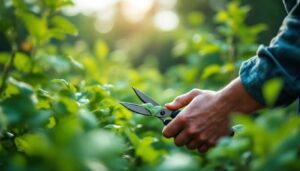
- Use clean, sharp scissors to prevent disease transmission
Pest management in indoor environments
Whilst indoor plants face fewer pest pressures than outdoor gardens, issues can still arise. Early detection remains the most effective control strategy. Inspect plants during watering for signs of aphids, spider mites or whiteflies. Yellow sticky traps catch flying insects whilst alerting you to potential infestations. For persistent problems, insecticidal soap provides effective control without toxic residues on edible plants.
With proper maintenance established as routine, attention can shift towards optimising yields throughout every season.
Tips to maximise your harvest all year long
Supplemental lighting during winter months
British winters present challenges for light-dependent plants, with short days and frequently overcast conditions. LED grow lights positioned above hanging planters extend the effective growing season indefinitely. Modern fixtures consume minimal electricity whilst providing the specific wavelengths plants require for photosynthesis. Operating lights for twelve to sixteen hours daily compensates for reduced natural illumination.
Temperature regulation and microclimate creation
Windows create unique microclimates with temperature fluctuations between day and night. Most herbs and vegetables prefer temperatures between 15-24°C. During cold snaps, moving plants slightly away from glass prevents frost damage, whilst summer heat may require shading during peak afternoon sun. Grouping multiple plants together creates humidity through transpiration, benefiting moisture-loving varieties.
Succession planting for continuous supply
Rather than sowing all seeds simultaneously, stagger plantings at two-week intervals. This approach ensures a steady supply of harvestable produce rather than overwhelming gluts followed by scarcity. Keep replacement seedlings developing in smaller containers, ready to swap into hanging planters as older plants decline.
Variety rotation and soil refreshment
Different plants extract varying nutrients from growing media, making rotation beneficial even in containers. After harvesting a crop completely, refresh the potting mixture by removing the top third and replacing it with fresh compost enriched with slow-release fertiliser. This practice maintains soil vitality and prevents the accumulation of pathogens.
Beyond the practical benefits of fresh food production, these hanging gardens contribute to broader environmental considerations.
Ecological impact and benefits of indoor plants
Reducing food miles and packaging waste
Homegrown herbs and vegetables eliminate transportation requirements and associated carbon emissions. A single basil plant can replace dozens of plastic-packaged supermarket purchases throughout its productive life. This reduction in food miles represents a tangible contribution to lowering personal environmental impact whilst ensuring absolute freshness.
Water conservation compared to traditional agriculture
Container gardening uses significantly less water than conventional farming methods. The closed system of hanging planters minimises evaporation and runoff, with excess water often captured in saucers for reuse. Precision watering delivers moisture directly to root zones, avoiding the waste inherent in field irrigation systems.
Supporting biodiversity and pollinator awareness
Whilst indoor plants cannot directly support pollinators, the practice of growing food raises awareness of agricultural processes and the importance of beneficial insects. Many gardeners who begin with hanging herbs progress to outdoor gardening, creating valuable habitat for bees and butterflies. This educational aspect proves particularly valuable for children, fostering environmental consciousness from an early age.
Contribution to urban greening initiatives
Every plant, regardless of location, contributes to carbon sequestration and oxygen production. Collectively, millions of small-scale indoor gardens create measurable environmental benefits. The normalisation of food production in residential spaces challenges industrial agriculture’s dominance and reconnects urban populations with the origins of their sustenance.
The integration of hanging plants near windows represents far more than a gardening trend. These productive systems offer practical solutions to space constraints whilst delivering fresh, flavourful ingredients throughout the year. The combination of aesthetic enhancement, air quality improvement and psychological benefits creates compelling reasons for adoption beyond simple food production. With appropriate species selection and straightforward maintenance routines, anyone can establish thriving hanging gardens regardless of prior experience. The environmental advantages, from reduced packaging waste to decreased food miles, align personal wellbeing with broader ecological responsibility. As urban populations continue growing and awareness of sustainable living increases, these underutilised vertical gardens deserve recognition as valuable tools for enhancing both homes and health.