

Beneficial insects are the unsung heroes of any thriving garden, quietly working to pollinate flowers, control pests, and maintain ecological balance. Yet many gardeners unknowingly create hostile environments that drive these vital creatures away. The good news is that protecting these helpful allies doesn’t require extensive knowledge or hours of labour. A straightforward five-minute intervention can transform your outdoor space into a sanctuary for pollinators, predators, and decomposers alike. This simple approach not only supports biodiversity but also reduces your reliance on chemical interventions whilst enhancing the overall health and productivity of your garden.
The benefits of beneficial insects for your garden
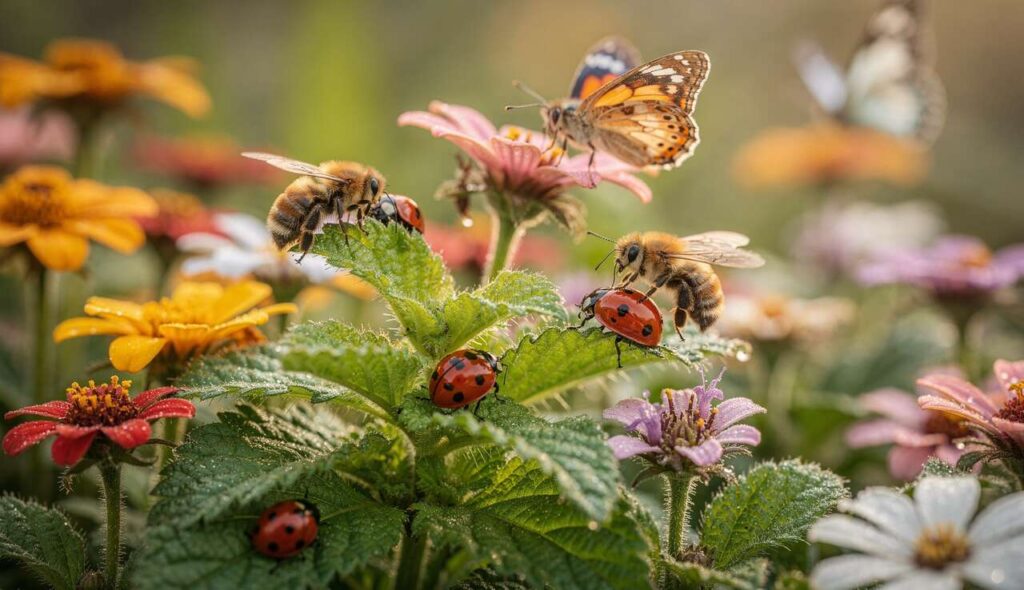
Natural pest control stands as one of the most valuable services beneficial insects provide. Ladybirds, lacewings, and ground beetles actively hunt aphids, mites, and caterpillars that would otherwise devastate your plants. A single ladybird can consume up to 5,000 aphids during its lifetime, offering protection far superior to chemical alternatives.
Pollination represents another crucial contribution from these garden inhabitants. Bees, hoverflies, and butterflies transfer pollen between flowers, enabling fruit and vegetable production. Without these pollinators, many crops would fail entirely, leaving gardens barren and unproductive.
- Improved soil health through decomposition by beetles and other insects
- Reduced need for chemical pesticides and fertilisers
- Enhanced plant vigour and resistance to disease
- Greater biodiversity supporting ecosystem resilience
- Cost savings from decreased reliance on commercial products
The economic and environmental advantages extend beyond immediate pest control. Gardens hosting diverse insect populations demonstrate increased resilience to climate fluctuations and disease outbreaks, creating self-sustaining ecosystems that require minimal intervention.
Understanding which creatures deserve protection requires familiarity with their appearance and behaviour, making identification skills essential for any gardener committed to ecological stewardship.
Identifying beneficial insects
Recognising helpful insects prevents accidental elimination of your garden’s natural defenders. Ladybirds, with their distinctive spotted shells, are easily identified, but many beneficial species remain less familiar to casual observers.
Common beneficial insects and their characteristics
| Insect | Appearance | Primary benefit |
|---|---|---|
| Ladybird | Red or orange with black spots | Aphid control |
| Lacewing | Delicate green wings, golden eyes | Pest larvae predation |
| Hoverfly | Yellow and black stripes, wasp-like | Pollination and aphid control |
| Ground beetle | Dark, shiny, fast-moving | Slug and pest control |
| Parasitic wasp | Small, slender, non-aggressive | Caterpillar and pest control |
Hoverflies often cause confusion due to their wasp-like appearance, yet these harmless insects serve dual purposes as pollinators and aphid predators. Their larvae consume hundreds of pests during development, making them invaluable garden residents.
Ground beetles, frequently mistaken for harmful pests due to their dark colouration and rapid movement, actually patrol gardens at night, consuming slugs, snails, and other destructive organisms. These nocturnal hunters rarely venture into homes and pose no threat to humans.
Once you can distinguish friends from foes, implementing protective measures becomes straightforward and remarkably efficient.
A simple and quick method to protect insects
The most effective five-minute intervention involves creating insect hotels using readily available materials. These structures provide essential shelter, overwintering sites, and breeding spaces for beneficial species.
Building a basic insect hotel
Gather hollow stems from bamboo, reeds, or dried plant stalks, cutting them to approximately 15-20 centimetres in length. Bundle these together tightly and secure with string or wire. Place the bundle in a sheltered location facing south or southeast, ensuring protection from prevailing winds and heavy rain.
- Select a location at least one metre above ground level
- Ensure the entrance holes face away from dominant wind direction
- Position near flowering plants to provide food sources
- Avoid areas with excessive moisture or full shade
- Secure firmly to prevent movement during storms
Alternative materials include drilled wooden blocks, pine cones, corrugated cardboard, and straw. Each material attracts different species, so combining various elements maximises diversity. Solitary bees prefer narrow tubes, whilst ladybirds seek crevices filled with dry leaves or bark.
Timing and maintenance considerations
Install insect hotels during autumn to provide overwintering habitat, though spring installation also proves beneficial. Annual maintenance requires minimal effort: simply remove debris, replace damaged materials, and ensure structural integrity remains intact.
This straightforward intervention complements broader habitat enhancement through thoughtful plant selection, creating comprehensive support systems for beneficial insects.
Choosing the right plants for your garden
Native flowering species provide optimal nutrition and habitat for local insect populations. These plants have co-evolved with regional fauna, offering perfectly matched resources that exotic species cannot replicate.
Top plants for attracting beneficial insects
- Lavender: attracts bees, butterflies, and hoverflies
- Fennel: supports ladybirds, lacewings, and parasitic wasps
- Yarrow: provides nectar for numerous pollinator species
- Marigold: deters harmful pests whilst attracting hoverflies
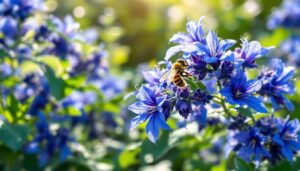
- Borage: offers continuous blooms for bees throughout summer
- Thyme: low-growing ground cover supporting ground beetles
Diversity in bloom times ensures year-round food availability. Early-flowering crocuses and snowdrops sustain emerging pollinators in spring, whilst ivy and sedum provide autumn nectar when other sources diminish. This succession supports complete insect lifecycles rather than offering sporadic resources.
Avoiding double-flowered cultivars proves essential, as these ornamental varieties often lack accessible pollen and nectar. Single-flowered forms with open centres allow insects easy access to nutritional rewards, making them far more valuable for wildlife gardening.
Plant selection works synergistically with chemical management practices to create truly insect-friendly environments.
Avoiding pesticides for a healthy environment
Chemical pesticides represent the single greatest threat to beneficial insect populations. These substances rarely discriminate between target pests and helpful species, devastating entire ecosystems with indiscriminate toxicity.
The hidden costs of chemical interventions
Neonicotinoids, systemic insecticides absorbed by plant tissues, persist for months and contaminate pollen and nectar. Pollinators consuming these materials experience disorientation, reproductive failure, and death. Research demonstrates that even sublethal exposure impairs navigation, foraging efficiency, and colony development in bees.
Organic alternatives offer effective pest management without collateral damage. Insecticidal soaps target soft-bodied pests like aphids whilst leaving hard-shelled beneficial insects unharmed. Neem oil disrupts pest reproduction without affecting pollinators when applied during evening hours after beneficial insects cease foraging.
- Companion planting to confuse and repel pests naturally
- Physical barriers such as netting and copper tape
- Handpicking larger pests like caterpillars and beetles
- Encouraging natural predators through habitat provision
- Accepting minor cosmetic damage as ecological compromise
Tolerance for imperfection distinguishes ecological gardening from conventional approaches. A few nibbled leaves indicate a functioning food web rather than gardening failure, demonstrating that beneficial predators have adequate prey populations to sustain themselves.
These chemical-free strategies integrate seamlessly with broader sustainable practices that amplify environmental benefits beyond insect conservation alone.
Practising eco-friendly gardening for a lasting impact
Comprehensive ecological gardening extends beyond single interventions to embrace systemic changes in garden management. Water conservation, composting, and reduced mowing frequency all contribute to insect-friendly landscapes.
Sustainable practices supporting beneficial insects
Leaving areas of lawn unmown creates grassland habitat for ground-nesting bees and provides seed heads for overwintering insects. These informal zones require no maintenance whilst delivering significant biodiversity benefits. Even small patches measuring one or two square metres make meaningful contributions.
Mulching with organic materials provides shelter for ground beetles, centipedes, and other beneficial invertebrates. As mulch decomposes, it improves soil structure and fertility, reducing the need for synthetic fertilisers that can disrupt insect populations through chemical contamination.
- Collect rainwater to reduce mains water consumption
- Compost garden waste to create nutrient-rich soil amendments
- Leave seed heads standing through winter for insect shelter
- Create log piles for beetle and invertebrate habitat
- Reduce artificial lighting that disorients nocturnal insects
Community engagement amplifies individual efforts exponentially. Encouraging neighbours to adopt similar practices creates connected habitat networks that support larger, more resilient insect populations. Gardens functioning as ecological corridors enable species movement across urban landscapes, preventing isolation and genetic bottlenecks.
Protecting beneficial insects requires minimal time investment yet yields profound rewards. The five-minute insect hotel provides immediate shelter whilst plant selection and pesticide avoidance create long-term sustainable habitats. These straightforward interventions transform gardens into thriving ecosystems where natural pest control, pollination, and biodiversity flourish. By embracing ecological principles and tolerating minor imperfections, gardeners become stewards of environmental health, contributing to broader conservation efforts whilst enjoying more productive, resilient outdoor spaces. Every small action accumulates into significant positive change, proving that effective conservation begins in our own gardens.