


Growing fresh produce indoors without soil might sound like something reserved for scientific laboratories, yet this method has become surprisingly accessible for home enthusiasts. The concept of cultivating lettuce and herbs in nothing more than a jar of water challenges conventional gardening wisdom, offering an alternative for those without outdoor space or traditional garden beds. This technique, rooted in hydroponics, requires minimal investment and delivers impressive results within weeks.
Introduction to soil-free cultivation
Understanding hydroponic principles
Hydroponic cultivation represents a revolutionary approach to growing plants by delivering nutrients directly through water rather than soil. The roots absorb essential minerals dissolved in the liquid medium, eliminating the need for traditional compost or earth. This method has been practised commercially for decades but has recently gained traction amongst domestic gardeners seeking space-efficient solutions.
The basic principle relies on providing plants with three fundamental requirements: water, nutrients, and oxygen. When roots remain submerged in nutrient-rich water with adequate oxygenation, plants can thrive without any soil whatsoever. The simplicity of jar-based systems makes this technique particularly appealing for beginners.
Historical context and modern applications
Ancient civilizations, including the Babylonians with their hanging gardens, experimented with soil-free growing techniques. Modern hydroponics emerged during the twentieth century as scientists sought methods to cultivate crops in inhospitable environments. Today’s simplified jar method adapts these principles for everyday household use, requiring nothing more sophisticated than glass containers and basic nutrients.
| Growing Method | Space Required | Initial Cost | Maintenance Level |
|---|---|---|---|
| Traditional Soil | Garden/Large Pots | Moderate | Medium |
| Water Jar System | Windowsill | Minimal | Low |
This comparison demonstrates the practical advantages of water-based cultivation for urban dwellers and those with limited resources. The accessibility of this method opens up possibilities for fresh herb production in flats, offices, and small living spaces where traditional gardening proves impractical.
The choice of suitable plants
Lettuce varieties for water cultivation
Not all lettuce types perform equally well in hydroponic systems. Loose-leaf varieties such as butterhead, oakleaf, and romaine adapt particularly successfully to jar cultivation. These varieties develop rapidly and tolerate the constant moisture environment without succumbing to rot. Iceberg lettuce, whilst possible to grow, requires more precise conditions and longer maturation periods.
Starting with lettuce cuttings from shop-bought heads offers an economical entry point. The base of a lettuce, typically discarded after harvesting the leaves, can regenerate in water within days. This regenerative capacity makes lettuce an ideal candidate for beginners experimenting with the technique.
Herbs that thrive in water
Several culinary herbs demonstrate remarkable adaptability to water-based growing systems:
- Basil: perhaps the most successful herb for jar cultivation, producing abundant aromatic leaves
- Mint: grows vigorously in water, often requiring regular pruning to prevent overgrowth
- Coriander: develops well from cuttings, though may bolt faster than soil-grown specimens
- Parsley: establishes slowly but produces consistently once rooted
- Oregano: adapts readily and maintains flavour intensity in hydroponic conditions
These herbs share common characteristics that favour water cultivation: they root easily from cuttings, tolerate varying nutrient levels, and maintain flavour profiles comparable to their soil-grown counterparts. The convenience of snipping fresh herbs from a kitchen windowsill throughout the year justifies the minimal effort required.
Necessary equipment to start
Essential materials for jar cultivation
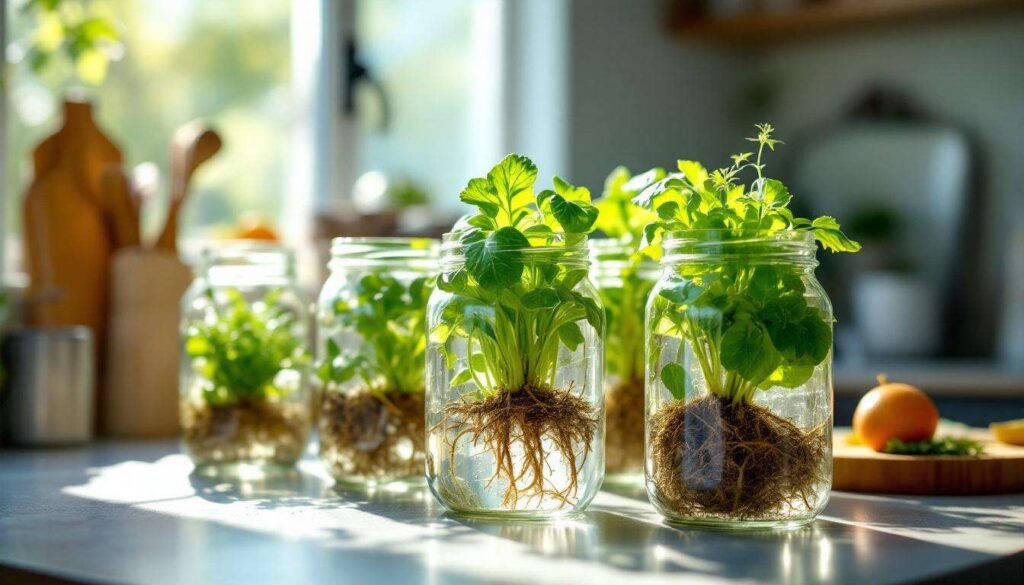
The beauty of this growing method lies in its minimal equipment requirements. A transparent glass jar allows light to reach developing roots whilst enabling monitoring of water levels and root health. Mason jars, recycled pasta sauce containers, or purpose-bought vessels all function equally well, provided they hold sufficient water volume.
Beyond containers, the basic supplies include:
- Clean, dechlorinated water (tap water left standing overnight works adequately)
- Liquid hydroponic nutrients or diluted plant food
- Plant cuttings or seedlings with exposed roots
- Optional: pH testing strips for optimising nutrient absorption
Creating optimal growing conditions
Successful cultivation requires attention to environmental factors beyond the jar itself. A sunny windowsill provides natural light, though positioning should avoid excessive heat that encourages algae growth. South-facing windows in the UK offer ideal illumination during most seasons, whilst north-facing positions may require supplementary lighting.
Temperature stability proves crucial for consistent growth. Most lettuce and herbs prefer temperatures between 15-22°C, typical of indoor environments. Extreme fluctuations stress plants and reduce productivity, making climate-controlled rooms superior to conservatories or unheated spaces.
Steps for indoor cultivation
Preparing your cuttings
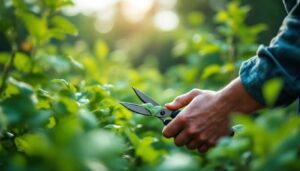
Begin by selecting healthy plant material from existing herbs or lettuce. Cut stems approximately 10-15 centimetres long, removing lower leaves that would sit below the waterline. These submerged leaves decompose and contaminate the water, creating unfavourable conditions for root development. Clean cuts made with sharp scissors reduce damage and infection risk.
For lettuce regrowth, retain the base section with at least 5 centimetres of core intact. Rinse thoroughly to remove soil particles or debris that might cloud the water. The cleanliness of initial preparation significantly influences subsequent success rates.
Establishing the water system
Fill your chosen jar with room-temperature water, leaving the top third empty to ensure adequate air circulation. Position cuttings so that only the bottom 2-3 centimetres remain submerged, with foliage clear of the water surface. Overcrowding inhibits growth, so limit each jar to 3-5 cuttings depending on container size.
Add diluted nutrients according to product instructions, typically at quarter strength for initial establishment. Full-strength solutions can shock tender new roots. Change water completely every 5-7 days to prevent bacterial buildup and maintain oxygen levels. During water changes, gently rinse roots under tepid water to remove any accumulated debris.
Monitoring early development
Within 3-10 days, white root growth should become visible. These delicate structures indicate successful establishment and signal readiness for slightly increased nutrient concentrations. Leaves may initially appear stressed or wilted but typically recover within a week as the root system develops.
Tips to maximise growth
Nutrient management strategies
Balanced nutrition determines the quality and quantity of your harvest. Hydroponic nutrients contain essential elements including nitrogen for leaf development, phosphorus for root growth, and potassium for overall plant health. Gradual increases in nutrient strength prevent burning whilst supporting vigorous growth.
Signs of nutrient deficiency include yellowing leaves, stunted growth, or pale colouration. Conversely, brown leaf tips or white salt deposits on jar rims indicate excessive feeding. Adjusting concentrations based on plant response ensures optimal productivity without waste.
Light and positioning considerations
Adequate illumination drives photosynthesis and determines growth rates. Natural sunlight for 6-8 hours daily suffices for most herbs and lettuce varieties. During winter months, supplementary LED grow lights extend productive periods and maintain quality. Position lights 15-30 centimetres above plants, adjusting as growth progresses.
Rotating jars every few days encourages even development and prevents plants leaning towards light sources. This simple practice produces symmetrical, attractive specimens rather than lopsided growth.
Harvesting techniques for continuous production
Adopt a “cut and come again” approach by harvesting outer leaves whilst leaving the central growing point intact. This method extends productive life and provides regular yields rather than single harvests. Use clean scissors and remove no more than one-third of foliage at any cutting session to avoid stressing plants.
The benefits of water cultivation
Environmental and practical advantages
Water-based growing systems consume significantly less water than traditional soil cultivation, as the closed system minimises evaporation and runoff. This efficiency appeals to environmentally conscious growers and those in water-restricted areas. Additionally, the absence of soil eliminates pest issues common in conventional gardening, reducing or eliminating pesticide requirements.
Space efficiency represents another compelling benefit. A single windowsill can accommodate multiple jars producing herbs and lettuce equivalent to several square metres of garden space. For flat dwellers or those without outdoor access, this vertical growing capacity transforms limited areas into productive zones.
Economic and health considerations
The financial savings accumulate quickly when comparing shop-bought herbs to home-grown alternatives. A single basil plant in water can provide months of fresh leaves costing pennies in nutrients versus pounds for repeated supermarket purchases. Lettuce regrown from discarded bases costs virtually nothing beyond water and minimal nutrients.
Freshness and nutritional quality exceed commercially produced alternatives. Harvesting immediately before use preserves maximum flavour and vitamin content, whilst eliminating concerns about pesticide residues or food miles. The transparency of the growing process provides complete control over inputs and methods.
Growing food indoors reconnects urban populations with agricultural processes, offering educational opportunities for children and adults alike. The satisfaction of producing edible crops from simple household items fosters appreciation for natural systems and sustainable practices. This hands-on experience often inspires broader interest in food production and environmental stewardship.
Jar-based cultivation proves that fresh, nutritious produce requires neither extensive space nor specialised knowledge. The technique’s simplicity belies its effectiveness, transforming kitchen windowsills into productive growing areas. By selecting appropriate plants, maintaining clean water systems, and providing adequate light and nutrients, anyone can harvest lettuce and herbs year-round. This accessible method challenges assumptions about gardening requirements whilst delivering tangible benefits in cost savings, freshness, and environmental impact. Whether motivated by culinary aspirations, sustainability goals, or simple curiosity, water cultivation offers a practical entry point into soil-free growing that rewards minimal effort with abundant harvests.