


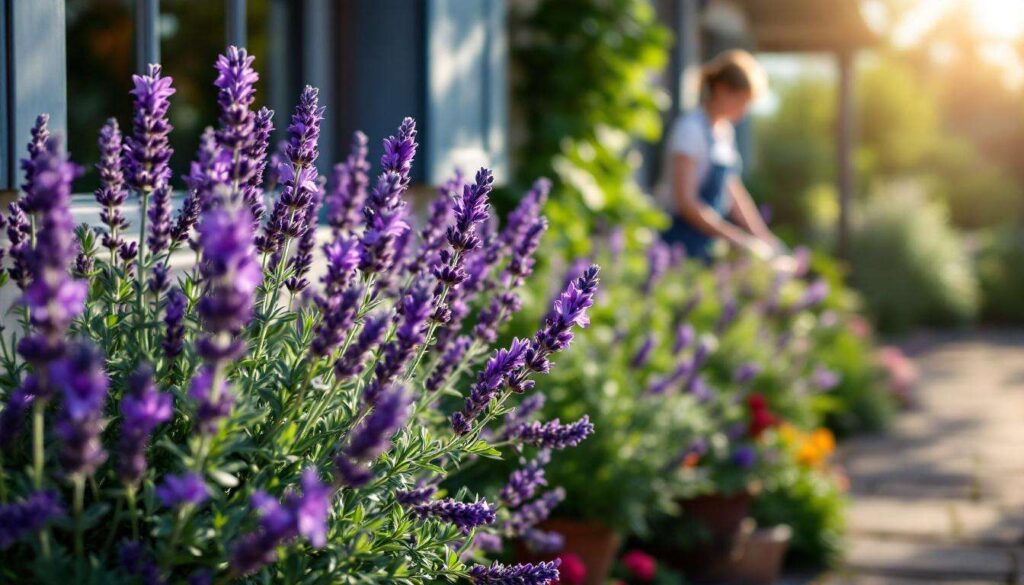
Gardeners and wellness enthusiasts have long recognised the remarkable properties of lavender, a fragrant herb that offers far more than aesthetic appeal. Positioning lavender plants strategically near windows can transform both indoor air quality and the immediate outdoor environment, creating a natural defence against unwanted insects whilst promoting restful sleep through its calming aromatic compounds. This dual functionality makes lavender an invaluable addition to any home, combining horticultural beauty with practical health benefits that have been documented through centuries of traditional use and increasingly supported by modern research.
Why Plant Lavender Near Windows
Strategic Positioning for Maximum Impact
Placing lavender near windows creates a natural barrier that intercepts insects before they enter living spaces. The plant’s essential oils are released most effectively when exposed to sunlight and gentle breezes, conditions typically found near window openings. This positioning allows the aromatic compounds to diffuse both indoors and outdoors, maximising their protective and therapeutic effects.
Architectural and Functional Advantages
Window boxes and containers positioned on sills or just outside windows provide ideal growing conditions for lavender whilst serving multiple purposes:
- Enhanced ventilation carries the scent directly into bedrooms and living areas
- Sunlight exposure promotes robust oil production in the plant tissues
- Easy access for harvesting and maintenance
- Visual appeal that complements architectural features
- Immediate proximity to areas where insect deterrence is most needed
The combination of accessibility and effectiveness makes window placement particularly advantageous for those seeking to harness lavender’s benefits without extensive garden space. This strategic approach ensures that the plant’s properties work continuously, whether windows are open or closed, as the warmth from indoor heating or outdoor sun releases the aromatic oils into the surrounding air.
The Benefits of Lavender on Sleep
Scientific Understanding of Lavender’s Calming Properties
Lavender’s reputation as a sleep aid stems from its complex chemical composition, particularly the presence of linalool and linalyl acetate. These compounds interact with neurotransmitter systems in the brain, promoting relaxation and reducing anxiety levels. Research has demonstrated that inhaling lavender scent can decrease heart rate and blood pressure, physiological markers associated with the body’s preparation for restful sleep.
Practical Applications for Better Sleep Quality
Positioning lavender near bedroom windows allows the natural fragrance to permeate sleeping areas throughout the night. The following methods enhance this effect:
- Opening windows slightly during evening hours to allow fresh lavender scent indoors
- Combining potted lavender with dried sprigs placed on bedside tables
- Timing watering for early evening to release maximum aromatic compounds
- Gently brushing the flowers before bedtime to stimulate oil release
| Sleep Metric | Improvement with Lavender | Duration to Notice Effect |
|---|---|---|
| Time to fall asleep | Reduced by 15-20 minutes | 1-2 weeks |
| Sleep quality rating | Increased by 20-25% | 2-3 weeks |
| Night-time awakenings | Decreased by 30% | 3-4 weeks |
These benefits accumulate over time, with consistent exposure yielding the most significant improvements. The non-invasive nature of this approach makes it particularly suitable for individuals seeking natural alternatives to pharmaceutical sleep aids, though it should complement rather than replace medical advice for serious sleep disorders.
How Lavender Naturally Repels Insects
The Chemistry Behind Insect Deterrence
Lavender’s effectiveness as an insect repellent derives from specific compounds that interfere with pest sensory systems. Linalool and camphor, the primary active constituents, disrupt the ability of mosquitoes, flies, moths, and other insects to locate food sources and breeding sites. These natural chemicals are released continuously from the plant’s foliage and flowers, creating an invisible protective zone around windows and entry points.
Targeted Pest Control
Different insect species respond variably to lavender’s deterrent properties:
- Mosquitoes: highly sensitive to linalool, avoiding areas with concentrated lavender presence
- Moths: repelled by the scent, protecting nearby textiles and stored clothing
- Flies: deterred from entering through windows where lavender is planted
- Fleas: discouraged from establishing populations in surrounding areas
- Ants: disrupted in their pheromone trails by lavender’s aromatic compounds
Comparative Effectiveness
Unlike synthetic pesticides that lose potency over time and may present health concerns, lavender provides continuous protection throughout its growing season. The plant requires no reapplication and actually increases in effectiveness as it matures and develops more extensive foliage. This sustainable approach eliminates the need for chemical interventions whilst maintaining a pleasant environment for human inhabitants.
Planting Techniques to Optimise Effectiveness
Soil and Container Requirements
Lavender thrives in well-draining soil with a slightly alkaline pH between 6.5 and 7.5. For window boxes and containers, a mixture combining equal parts potting compost, horticultural grit, and perlite ensures adequate drainage whilst providing necessary nutrients. Container depth should be at least 30 centimetres to accommodate the plant’s root system, with drainage holes essential to prevent waterlogging that can lead to root rot.
Optimal Planting Methodology
Successful establishment near windows requires attention to specific techniques:
- Plant during spring after the final frost when soil temperatures consistently exceed 15°C
- Space multiple plants 30-45 centimetres apart to allow air circulation
- Position containers where they receive at least six hours of direct sunlight daily
- Add a layer of gravel or small stones to the soil surface to reflect heat and deter weeds
- Water thoroughly at planting, then allow soil to dry between subsequent waterings
Variety Selection for Window Planting
| Lavender Variety | Height | Best Window Position | Fragrance Intensity |
|---|---|---|---|
| Lavandula angustifolia ‘Munstead’ | 40-45 cm | Lower windows, ground floor | Strong |
| Lavandula angustifolia ‘Hidcote’ | 30-40 cm | Window boxes, upper floors | Very strong |
| Lavandula angustifolia ‘Little Lady’ | 25-30 cm | Small sills, compact spaces | Moderate |
Selecting appropriate varieties based on available space and desired intensity ensures that the plants fulfil their dual purpose without overwhelming small areas or failing to provide adequate coverage for larger windows.
Other Tips for Using Lavender at Home
Harvesting and Preservation Techniques
Maximising lavender’s benefits extends beyond living plants to include harvested material that can be used throughout the home. Cut flower stems just as buds begin to open, typically in mid to late summer, when essential oil concentration peaks. Bundle stems with twine and hang upside down in a warm, dark, well-ventilated space for two to three weeks until completely dry.
Indoor Applications Beyond Windows
Dried lavender serves multiple household purposes:
- Fill small fabric sachets to place in wardrobes and drawers for moth protection
- Create lavender bundles to hang near doorways and additional entry points
- Add dried flowers to homemade cleaning solutions for antibacterial properties
- Incorporate into potpourri mixtures for continuous indoor fragrance
- Steep in hot water to create a natural room spray
Culinary and Wellness Uses
Food-grade lavender flowers can enhance both culinary creations and wellness routines. Add small quantities to baked goods, honey, or herbal teas for distinctive flavour. Create relaxing bath sachets by combining dried lavender with Epsom salts, or infuse carrier oils with lavender flowers for use in massage or skincare applications. These extended uses ensure that every part of the harvest contributes to household wellbeing.
Practical Considerations for Successful Maintenance
Seasonal Care Requirements
Lavender near windows requires minimal but specific maintenance to ensure longevity and continued effectiveness. During the growing season, water only when the top five centimetres of soil feel dry to the touch, as overwatering represents the most common cause of plant decline. Apply a light dressing of slow-release fertiliser in early spring, avoiding high-nitrogen formulations that promote excessive foliage growth at the expense of flower production and oil concentration.
Pruning for Optimal Performance
Annual pruning maintains plant vigour and maximises aromatic oil production:
- Perform main pruning in early spring as new growth emerges
- Remove approximately one-third of the previous year’s growth
- Shape plants into rounded mounds to encourage dense, bushy growth
- Deadhead spent flowers throughout summer to promote continuous blooming
- Avoid cutting into old woody stems, which rarely regenerate
Winter Protection Strategies
Container-grown lavender near windows faces particular challenges during cold months. Move pots slightly away from windows during severe weather to protect roots from freezing temperatures transmitted through glass and metal frames. Reduce watering frequency significantly, providing just enough moisture to prevent complete soil desiccation. In regions experiencing harsh winters, consider relocating containers to sheltered positions or wrapping them with horticultural fleece whilst maintaining adequate air circulation to prevent fungal issues.
Troubleshooting Common Issues
| Problem | Likely Cause | Solution |
|---|---|---|
| Yellowing leaves | Overwatering or poor drainage | Reduce watering frequency, improve soil drainage |
| Reduced flowering | Insufficient sunlight or excess nitrogen | Relocate to sunnier position, adjust fertiliser |
| Leggy growth | Inadequate pruning or low light | Prune more aggressively, increase light exposure |
Lavender’s dual benefits of promoting restful sleep and naturally deterring insects make it an exceptional choice for planting near windows. The plant’s aromatic compounds work continuously to create a healthier indoor environment whilst requiring minimal maintenance once established. By selecting appropriate varieties, providing proper growing conditions, and implementing strategic placement, homeowners can harness these natural benefits throughout the year. The combination of aesthetic appeal, practical functionality, and sustainable pest management positions lavender as an invaluable addition to any home, offering a simple yet effective solution to common household concerns through the timeless wisdom of plant-based remedies.