
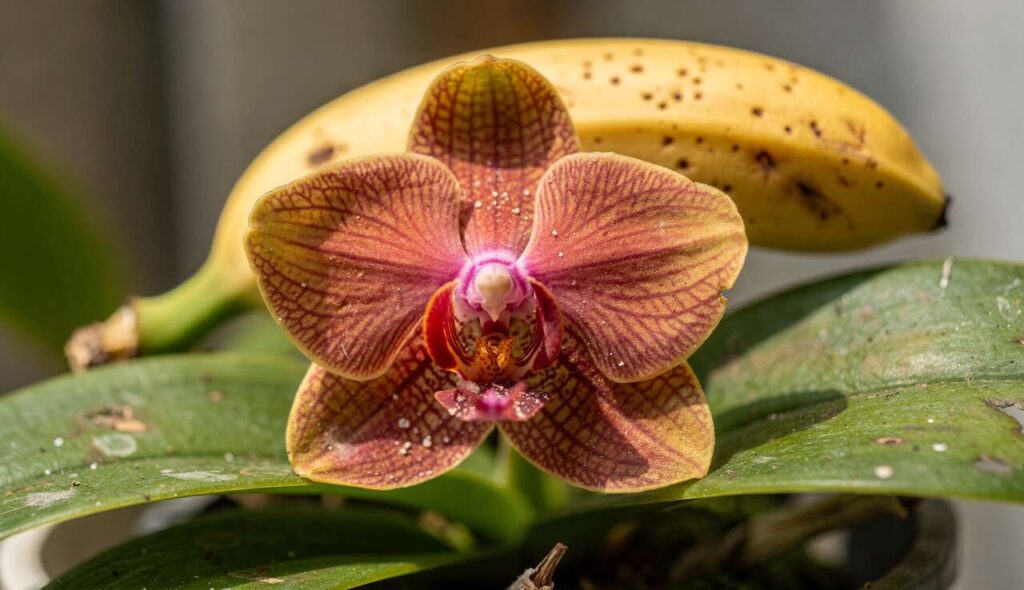
Orchid enthusiasts have long searched for natural methods to encourage their prized plants to produce those stunning flower spikes that make these specimens so desirable. Amongst the various home remedies circulating in gardening circles, one surprisingly simple solution has emerged: the humble banana. This tropical fruit, commonly found in fruit bowls across the country, contains specific compounds that can stimulate orchid flowering in ways that commercial fertilisers sometimes fail to achieve. The method requires minimal investment and uses ingredients already available in most kitchens, making it accessible to both novice and experienced orchid growers alike.
The incredible relationship between bananas and orchids
Shared tropical origins create natural compatibility
Both orchids and bananas originate from tropical and subtropical regions where they have evolved alongside one another for millennia. This shared environmental heritage means that orchids naturally respond to the chemical signatures present in banana plant tissues. In their native habitats, decomposing banana leaves and fruit often enrich the soil and bark where epiphytic orchids establish themselves, creating a symbiotic relationship that has developed over countless generations.
Natural growth stimulants found in everyday fruit
The connection between these two tropical species extends beyond geographical proximity. Bananas produce specific hormones and nutrients during their ripening process that orchids have evolved to recognise as signals for optimal growing conditions. When orchid roots detect these compounds, they trigger physiological responses that include:
- Increased metabolic activity in dormant flower buds
- Enhanced nutrient uptake through root systems
- Stimulation of hormone production within the orchid tissues
- Improved cellular division in growth points
This natural affinity explains why banana-based treatments often succeed where synthetic alternatives produce disappointing results. Understanding this biochemical foundation helps explain the next crucial element in this flowering technique.
The biochemical compounds in bananas: keys to success
Ethylene gas: the flowering trigger
The primary active agent in bananas that affects orchid flowering is ethylene gas, a plant hormone that ripening bananas produce in significant quantities. This gaseous compound acts as a natural signalling molecule that plants use to coordinate various developmental processes, including flowering. When orchids are exposed to appropriate concentrations of ethylene, their dormant flower spikes receive the chemical signal to initiate bud development and subsequent blooming.
Essential nutrients in banana tissue
Beyond ethylene, bananas contain a rich array of minerals and organic compounds beneficial to orchid health. The nutritional profile includes substantial quantities of potassium, which plays a vital role in flower formation and overall plant vigour. The following table illustrates the key nutrients found in banana tissue:
| Nutrient | Concentration | Primary benefit for orchids |
|---|---|---|
| Potassium | 358 mg per 100g | Flower development and colour intensity |
| Phosphorus | 22 mg per 100g | Root growth and energy transfer |
| Magnesium | 27 mg per 100g | Chlorophyll production and photosynthesis |
| Natural sugars | 12-15g per 100g | Energy source for metabolic processes |
These components work synergistically to create conditions that encourage orchids to channel energy into reproductive processes. With this scientific understanding established, the practical application becomes the next logical consideration.
How to prepare a banana infusion for your orchids
Selecting the right bananas
The effectiveness of this method depends significantly on choosing bananas at the proper ripeness stage. Overripe bananas with extensive brown spotting produce the highest concentrations of ethylene and contain sugars in their most accessible form. Avoid using completely black or fermenting fruit, as this can introduce unwanted microorganisms. The ideal banana displays yellow skin with generous brown speckles covering at least half the surface area.
Creating the banana water solution
Preparing the infusion requires minimal equipment and follows a straightforward process. Take one overripe banana and cut it into small pieces, including the peel which contains concentrated nutrients. Place these pieces in a container with approximately one litre of water at room temperature. Allow the mixture to steep for 24 to 48 hours in a location away from direct sunlight. The water will gradually extract the soluble compounds, creating a nutrient-rich solution with a pale amber colour.
Straining and storage considerations
After the steeping period, strain the liquid through a fine mesh or cheesecloth to remove all solid particles. This prevents decomposing organic matter from introducing fungal spores or bacteria to your orchids. The resulting solution should be used within three to four days when stored in a refrigerator, as the natural sugars can ferment and lose effectiveness over time. Some growers prefer to prepare fresh batches for each application to ensure maximum potency.
Once the infusion is properly prepared, attention turns to the application method that delivers these beneficial compounds to the orchid.
Steps to apply the banana method to orchids
Initial assessment of your orchid
Before applying any treatment, examine your orchid carefully to ensure it is in appropriate condition to respond positively. The plant should display healthy green leaves without signs of disease or severe stress. Orchids recovering from repotting, pest infestations, or environmental shock should be allowed to stabilise before introducing flowering stimulants. The ideal candidate shows robust growth with plump pseudobulbs or firm leaves, indicating sufficient energy reserves to support flower spike development.
Application techniques for maximum effectiveness
The banana solution can be applied through several methods, each offering distinct advantages:
- Root watering: pour the diluted solution directly onto the growing medium, allowing it to saturate the roots thoroughly
- Foliar application: use a spray bottle to mist the leaves lightly, enabling absorption through stomata
- Combination approach: alternate between root and foliar applications for comprehensive nutrient delivery
Most experienced growers recommend diluting the banana infusion with an equal volume of plain water for the first application, gradually increasing concentration if the orchid responds well. Apply the solution once weekly during the growing season, typically from spring through early autumn.
Timing considerations for optimal results
The timing of applications significantly influences outcomes. Orchids generally initiate flowering in response to environmental cues such as temperature fluctuations or changes in day length. Applying banana solution when these natural triggers occur amplifies the flowering response. For Phalaenopsis orchids, this typically means beginning treatments after a period of slightly cooler night temperatures in autumn. Cattleyas respond best when applications coincide with their natural growth cycle completion.
With proper application established, orchid owners can anticipate the remarkable transformations that follow.
Spectacular results: when orchids begin to bloom
Timeline of visible changes
Patient observation reveals a progression of developments following banana treatment implementation. Within two to three weeks, attentive growers may notice subtle changes in growth point activity, with slight swelling visible at the base of leaves or pseudobulbs. By the fourth to sixth week, distinctive flower spikes typically emerge, initially resembling small green points that gradually elongate. The complete journey from treatment initiation to open flowers generally spans eight to twelve weeks, though this varies considerably among orchid genera and species.
Enhanced bloom characteristics
Orchids treated with banana infusions frequently display improvements beyond simply producing flowers. Growers consistently report increased flower count per spike, with some specimens producing 20 to 30 per cent more blooms than previous flowering cycles. The flowers themselves often exhibit enhanced colour saturation and larger individual bloom size. These improvements reflect the comprehensive nutritional support provided by the banana compounds, which enable the plant to allocate more resources to reproductive structures.
Comparing treated versus untreated specimens
Controlled observations provide compelling evidence for this method’s effectiveness. Orchid enthusiasts maintaining multiple plants of the same variety report consistent differences between treated and untreated specimens:
| Characteristic | Untreated orchids | Banana-treated orchids |
|---|---|---|
| Flowering frequency | Once annually | 1-2 times annually |
| Average blooms per spike | 6-8 flowers | 9-12 flowers |
| Bloom duration | 4-6 weeks | 6-8 weeks |
| Spike emergence rate | 60-70% | 85-95% |
These documented improvements demonstrate the tangible benefits achievable through this accessible natural method. However, achieving such results requires understanding certain important limitations and best practices.
Precautions and advice for optimal use
Avoiding common mistakes
Despite its simplicity, the banana method requires careful implementation to prevent counterproductive outcomes. Excessive application represents the most frequent error, with overzealous growers applying concentrated solutions too frequently. This can lead to nutrient imbalances, salt accumulation in growing media, and potential root damage. Always err on the side of caution, remembering that orchids are adapted to nutrient-poor environments and respond better to gentle, consistent feeding rather than intensive treatments.
Monitoring for adverse reactions
Vigilant observation allows early detection of problems before they become serious. Watch for these warning signs that indicate treatment adjustment is necessary:
- Leaf tips turning brown or black, suggesting salt burn
- Soft, mushy roots indicating excessive moisture or fungal issues
- Yellowing leaves that may signal nutrient imbalance
- Mould growth on media surface from sugar accumulation
If any of these symptoms appear, discontinue banana applications immediately and flush the growing medium thoroughly with plain water. Resume treatments only after the orchid recovers and displays renewed vigour.
Complementary care practices
The banana method works best when integrated into a comprehensive care regime rather than used in isolation. Maintain appropriate light levels, as insufficient illumination prevents orchids from flowering regardless of nutritional support. Ensure adequate air circulation to prevent fungal problems that can be exacerbated by the sugars in banana solution. Continue regular watering practices, adjusting frequency based on environmental conditions rather than treatment schedules.
Orchid cultivation combines art and science, with traditional knowledge and modern understanding working together to achieve spectacular results. The banana method exemplifies this synthesis, offering a natural, cost-effective approach to encouraging these magnificent plants to display their full flowering potential. By understanding the biochemical mechanisms at work, preparing solutions correctly, and applying treatments judiciously whilst monitoring plant responses, growers can harness the power of this simple fruit to transform reluctant orchids into prolific bloomers. Success requires patience, observation, and willingness to adjust techniques based on individual plant responses, but the reward of abundant, vibrant flowers makes the effort thoroughly worthwhile.