


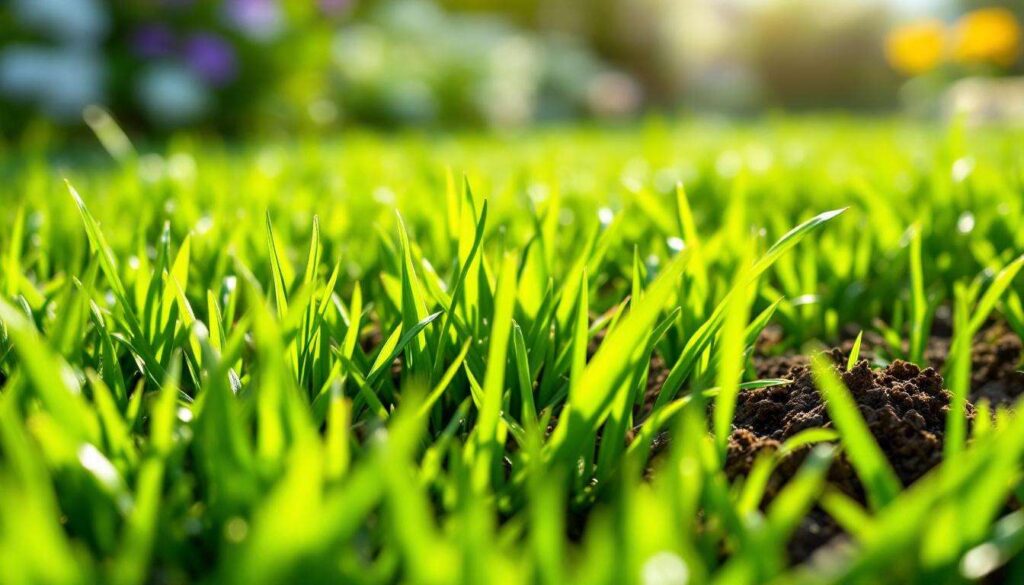
Lawns suffering from burnt patches present a common challenge for gardeners across the country. Whether caused by excessive heat, over-fertilisation, or pet waste, these unsightly brown areas can detract from an otherwise pristine garden. Rather than reaching for commercial products laden with synthetic chemicals, many experienced gardeners have discovered that homemade fertilisers offer a more effective and sustainable solution for reviving damaged turf. These natural alternatives not only restore vitality to struggling grass but also improve soil health over time, creating a resilient foundation for long-term lawn care.
Understanding the causes of burnt grass
Chemical burn from synthetic fertilisers
One of the most prevalent causes of burnt grass stems from over-application of commercial fertilisers. When synthetic products containing high concentrations of nitrogen are applied too liberally, they draw moisture from grass roots through a process called osmotic stress. This leaves the turf dehydrated and scorched, with characteristic brown patches appearing within days of application.
Environmental factors and heat stress
Extended periods of drought combined with intense sunlight place considerable strain on grass plants. The following conditions commonly contribute to burnt lawns:
- Prolonged exposure to temperatures exceeding 30°C without adequate watering
- Insufficient soil moisture during peak growing seasons
- Reflected heat from nearby paving or buildings
- Shallow root systems unable to access deeper water reserves
Pet urine and concentrated waste
Dog urine contains high levels of nitrogen and salts that can overwhelm grass in concentrated doses. Female dogs, in particular, tend to create more noticeable damage due to their urination patterns. These spots typically display a dark green outer ring surrounding a dead, brown centre where the concentration proved fatal to the grass.
Recognising the specific cause of lawn damage helps determine the most appropriate treatment approach, setting the stage for effective recovery strategies.
The benefits of homemade fertilisers
Cost-effectiveness and accessibility
Creating your own lawn treatments offers substantial financial savings compared to purchasing commercial alternatives. Most homemade recipes utilise everyday household items or garden waste that would otherwise be discarded, transforming potential rubbish into valuable plant nutrition.
Environmental advantages
Natural fertilisers break down gradually, releasing nutrients in a controlled, sustainable manner that prevents the sudden chemical surges associated with synthetic products. This gentler approach reduces the risk of nutrient runoff into waterways, protecting local ecosystems whilst maintaining lawn health.
Soil improvement and microbial activity
Unlike synthetic fertilisers that merely feed the grass, organic alternatives nourish the soil itself. They encourage beneficial microbial populations, improve soil structure, and enhance water retention capacity. This creates a self-sustaining ecosystem that requires less intervention over time.
These compelling advantages make homemade solutions particularly attractive for gardeners seeking both results and responsibility, leading naturally to the question of which ingredients prove most effective.
The essential ingredients for a natural fertiliser
Nitrogen-rich components
Grass requires substantial nitrogen for healthy leaf growth and vibrant colour. The following ingredients provide excellent natural nitrogen sources:
- Coffee grounds: rich in nitrogen and slightly acidic
- Grass clippings: readily available and quick to decompose
- Vegetable scraps: particularly leafy greens
- Nettle leaves: exceptionally high in nitrogen when steeped
Mineral and micronutrient sources
A balanced fertiliser must include trace elements beyond the primary nutrients. Epsom salts supply magnesium, which enhances chlorophyll production and deepens grass colour. Wood ash contributes potassium and raises soil pH, whilst crushed eggshells provide calcium for cell wall strength.
The complete recipe formulation
The most effective homemade fertiliser combines these elements in specific proportions. Mix together one cup of Epsom salts, one cup of ammonia (as a nitrogen boost), and half a cup of mouthwash (which acts as an antibacterial agent). Dilute this concentrate in a large spray bottle or watering can with water before application.
With ingredients assembled, the preparation process requires careful attention to achieve optimal results.
Steps to prepare homemade fertiliser
Measuring and mixing
Begin by gathering a clean container with a capacity of at least five litres. Add the dry ingredients first, ensuring thorough mixing before introducing liquid components. This prevents clumping and ensures even distribution of nutrients throughout the solution.
Dilution ratios for different applications
| Application type | Concentrate amount | Water volume |
|---|---|---|
| Severely burnt areas | 1 part | 10 parts |
| Moderate damage | 1 part | 8 parts |
| General maintenance | 1 part | 6 parts |
Storage considerations
Prepare only the quantity needed for immediate use, as homemade fertilisers lose potency when stored for extended periods. If storage proves necessary, keep the solution in a sealed container away from direct sunlight for no longer than one week.
Proper preparation ensures maximum effectiveness, but application technique proves equally crucial for achieving desired outcomes.
How to apply fertiliser to burnt grass
Timing and weather conditions
Apply homemade fertiliser during early morning or late evening when temperatures remain moderate and evaporation rates stay low. Avoid application immediately before heavy rainfall, which may wash away nutrients before absorption occurs, or during intense midday sun, which can cause additional stress to already compromised grass.
Application methods
For small burnt patches, use a watering can with a rose attachment to ensure gentle, even distribution. Larger areas benefit from a pump sprayer or hose-end applicator, which provides consistent coverage without excessive physical effort. Always water the affected area thoroughly before applying fertiliser to prevent further burning.
Frequency and monitoring
Apply the treatment every two weeks during the growing season, observing grass response between applications. New growth typically appears within seven to ten days if conditions remain favourable. Reduce frequency once green shoots emerge consistently across previously burnt areas.
Successful application depends not only on technique but also on implementing preventative measures to protect recovering grass.
Precautions and tips to avoid burning the grass
Testing before widespread application
Always conduct a small-scale trial on an inconspicuous lawn section before treating larger areas. This identifies any adverse reactions and allows adjustment of dilution ratios if necessary. Wait forty-eight hours to assess results before proceeding with full application.
Watering practices
Maintain consistent soil moisture throughout the recovery period. Deep, infrequent watering encourages robust root development, whilst shallow, frequent watering promotes weak surface roots vulnerable to stress. Aim for approximately 2.5 centimetres of water weekly, including rainfall.
Preventative maintenance strategies
- Mow at the correct height for your grass variety, never removing more than one-third of blade length
- Keep mower blades sharp to prevent tearing and stress
- Aerate compacted soil annually to improve water penetration
- Designate specific areas for pets to minimise concentrated urine damage
- Apply fertilisers only when grass actively grows
Burnt grass need not spell disaster for your lawn. The homemade fertiliser recipe outlined here offers a gentle yet effective alternative to harsh commercial products, utilising common household ingredients to restore vitality to damaged turf. By understanding the underlying causes of grass burning, selecting appropriate natural ingredients, and applying treatments with care and consistency, gardeners can achieve remarkable recovery results. The additional benefits of improved soil health and reduced environmental impact make this approach particularly valuable for those committed to sustainable gardening practices. With patience and proper technique, even severely burnt lawns can transform into lush, resilient green spaces that withstand future challenges.