



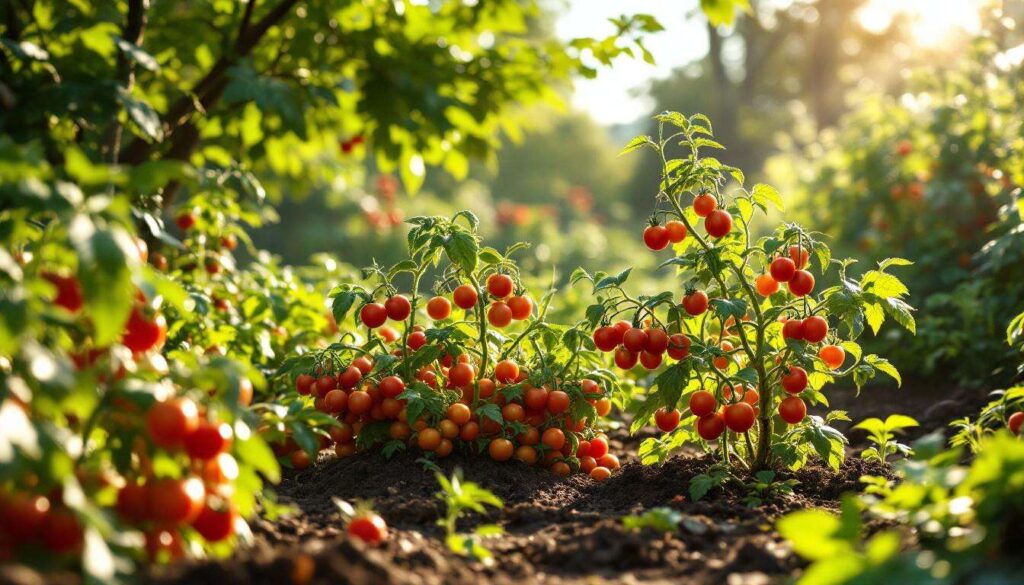
Gardeners often wonder what to do with their tomato plants once the growing season ends. Rather than discarding these valuable organic materials, savvy growers are discovering innovative methods to repurpose every part of the plant. From nutrient-rich compost to protective mulch, old tomato plants offer numerous opportunities to enhance garden health and sustainability. These recycling techniques not only reduce waste but also create a circular system that feeds back into your garden ecosystem.
Using stems for composting
Breaking down the woody material
Tomato stems represent an excellent source of organic matter for your compost heap. Before adding them to your compost bin, it’s essential to chop the stems into smaller pieces, ideally no longer than 10 centimetres. This process accelerates decomposition and ensures the material breaks down efficiently alongside other compost ingredients.
The woody nature of tomato stems means they provide carbon-rich material that balances the nitrogen content from green waste. To optimise the composting process, consider the following steps:
- Remove any diseased or infected portions to prevent spreading pathogens
- Crush or shred thicker stems to increase surface area
- Layer stems with nitrogen-rich materials such as grass clippings
- Maintain adequate moisture levels throughout the compost pile
- Turn the compost regularly to promote aeration
Monitoring the decomposition timeline
The breakdown period for tomato stems varies depending on conditions and preparation methods. Properly chopped stems typically decompose within three to six months in an active compost system. Temperature plays a crucial role in this process, with warmer conditions significantly speeding up microbial activity.
| Stem preparation | Decomposition time | Compost quality |
|---|---|---|
| Whole stems | 8-12 months | Moderate |
| Chopped stems | 3-6 months | Good |
| Shredded stems | 2-4 months | Excellent |
Beyond composting, the foliage from these plants offers another practical application for your garden beds.
Create a natural mulch with the leaves
Preparing tomato leaves for mulching
Tomato leaves make surprisingly effective mulch when properly prepared. After removing the plants, strip the leaves from the stems and allow them to dry for several days. This drying process reduces their volume and makes them easier to spread around your garden beds.
Dried tomato leaves provide excellent ground cover that suppresses weeds whilst retaining soil moisture. The leaves gradually break down, releasing nutrients back into the soil and improving its structure over time.
Application techniques and benefits
When applying tomato leaf mulch, spread a layer approximately 5 to 8 centimetres thick around plants, keeping the material away from stems to prevent rot. The mulch offers multiple advantages:
- Regulates soil temperature during seasonal fluctuations
- Reduces water evaporation by up to 70 per cent
- Prevents soil erosion during heavy rainfall
- Adds organic matter as decomposition occurs
- Creates a barrier against weed germination
Whilst mulch protects the soil surface, the entire plant structure can serve a different purpose for garden inhabitants.
Establish a habitat for local wildlife
Creating shelter for beneficial insects
Old tomato plants provide valuable refuge for garden allies during colder months. Rather than clearing away all plant debris, consider creating dedicated wildlife areas using the dried stems and foliage. These structures offer overwintering sites for ladybirds, lacewings, and other predatory insects that control pest populations.
To establish an effective wildlife habitat, bundle dried tomato stems together and secure them with natural twine. Position these bundles in sheltered locations such as under hedges or against walls, where they remain protected from harsh weather conditions.
Supporting the broader ecosystem
The benefits extend beyond insects. Small mammals and ground-dwelling creatures utilise plant debris for nesting material and protection. By maintaining these natural habitats, gardeners contribute to biodiversity whilst creating a balanced ecosystem that naturally manages pests.
Key considerations for wildlife habitats include:
- Leaving some plant material undisturbed throughout winter
- Positioning habitats away from high-traffic areas
- Combining tomato plants with other garden debris
- Avoiding chemical treatments on designated habitat materials
Whilst some plant material serves wildlife, other portions can be transformed into concentrated plant nutrition.
Transform plants into liquid fertiliser
The fermentation process explained
Tomato plant tea represents a potent, cost-free fertiliser packed with nutrients. To create this liquid gold, chop healthy tomato plants into small pieces and place them in a large container. Cover the plant material with water, ensuring complete submersion, then secure the container with a lid.
Allow the mixture to ferment for approximately two to three weeks, stirring every few days. The resulting liquid contains nitrogen, potassium, and trace minerals that plants readily absorb. The fermentation process releases these nutrients into a form that’s immediately available to growing crops.
Application methods and dilution rates
The concentrated fertiliser requires dilution before application to prevent burning plant roots. Mix one part tomato tea with ten parts water for general feeding purposes. This nutrient-rich solution benefits:
- Vegetable crops during active growth periods
- Flowering plants requiring potassium boosts
- Container plants with limited soil nutrients
- Young seedlings establishing root systems
| Plant type | Dilution ratio | Application frequency |
|---|---|---|
| Vegetables | 1:10 | Fortnightly |
| Flowers | 1:12 | Weekly |
| Seedlings | 1:15 | Monthly |
The sturdier portions of tomato plants can be repurposed for structural garden projects.
Build garden fences with the branches
Constructing rustic plant supports
The thicker stems and branches from mature tomato plants offer surprisingly robust material for small-scale fencing projects. These natural stakes work particularly well for creating low borders around herb gardens or defining pathways through vegetable plots.
To construct a simple fence, drive wooden posts into the ground at regular intervals, then weave dried tomato branches horizontally between the posts. This technique creates an attractive rustic barrier that decomposes naturally over time, eventually enriching the surrounding soil.
Practical applications in garden design
Beyond decorative borders, tomato plant branches serve functional purposes:
- Supporting climbing beans and peas during the growing season
- Creating temporary barriers to protect young plants from wind
- Marking garden bed boundaries for crop rotation planning
- Building small trellises for lightweight climbing vegetables
Whilst above-ground portions find various uses, the underground root system holds particular value for soil improvement.
Prepare enriched soil with the roots
Utilising the root network
Tomato roots contain substantial organic matter and beneficial microorganisms that enhance soil quality. Rather than extracting the entire root ball, consider leaving roots in place to decompose naturally. This approach minimises soil disturbance whilst adding organic content directly where it benefits future crops.
The extensive root system creates channels throughout the soil profile, improving drainage and aeration. As roots break down, they release nutrients and provide food for earthworms and beneficial soil organisms.
Incorporating roots into soil preparation
For immediate bed preparation, chop extracted roots into smaller pieces and incorporate them into the top 15 centimetres of soil. This method accelerates decomposition and distributes organic matter throughout the planting area. The fibrous root structure improves soil texture, particularly in heavy clay soils that benefit from increased porosity.
Root incorporation offers measurable advantages:
- Increases soil organic matter content by 2 to 4 per cent
- Enhances water retention capacity in sandy soils
- Promotes beneficial fungal networks
- Reduces the need for synthetic soil amendments
Recycling tomato plants demonstrates how sustainable gardening practices transform waste into valuable resources. Each component of the plant serves a purpose, whether enriching compost, protecting soil, sheltering wildlife, nourishing crops, supporting structures, or improving soil quality. These methods reduce environmental impact whilst creating a self-sustaining garden ecosystem. By adopting these techniques, gardeners maximise their harvest’s value long after the final tomato has been picked, ensuring nothing goes to waste whilst building healthier, more productive growing spaces for seasons to come.