


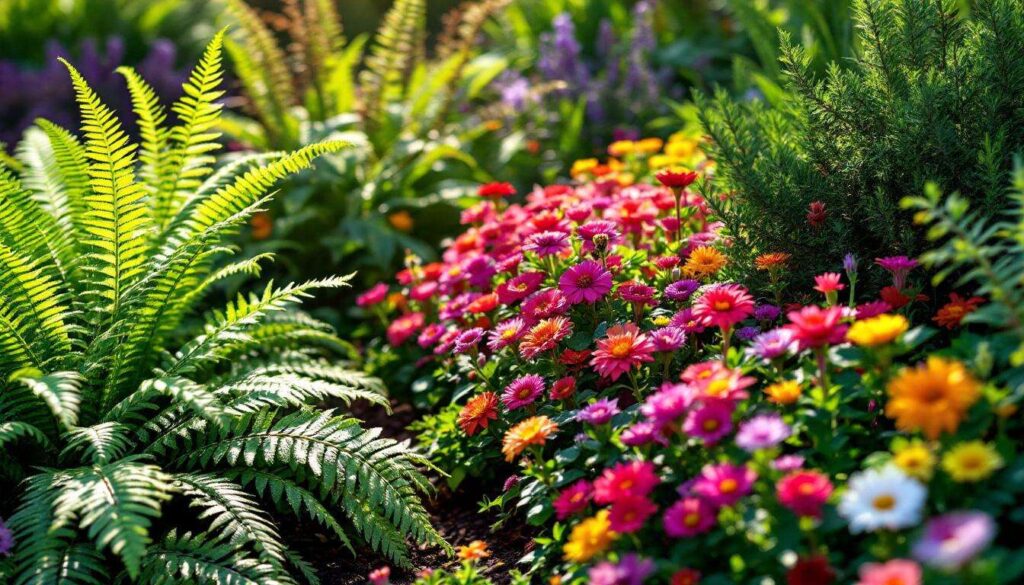
Creating a lush, layered garden with ferns and hostas offers a serene retreat filled with verdant foliage and elegant textures. Yet many gardeners struggle to add colour and interest without overwhelming these shade-loving plants. Flowering ground covers present an ingenious solution, weaving vibrant blooms through the understory whilst respecting the delicate balance these woodland favourites require. By selecting the right companions and employing thoughtful planting techniques, you can transform a simple fern and hosta bed into a dynamic tapestry that captivates throughout the growing season.
Introduction to flowering ground covers
What defines a flowering ground cover
Flowering ground covers are low-growing perennial plants that spread horizontally to form a dense mat across the soil surface. Unlike taller border plants, these specimens typically remain under 30 centimetres in height and expand through runners, rhizomes, or self-seeding. Their primary function extends beyond mere aesthetics: they suppress weeds, retain soil moisture, and prevent erosion whilst adding seasonal colour through their blooms. Popular examples include sweet woodruff, creeping phlox, and ajuga, each offering distinct flowering periods and growth habits.
Why flowering ground covers suit shade gardens
Shade gardens often rely heavily on foliage for visual interest, which can result in monotonous green expanses. Flowering ground covers introduce splashes of colour without demanding the full sun that many traditional flowering plants require. Many species have evolved to thrive in woodland conditions, making them natural companions for ferns and hostas. Their spreading habit fills gaps between larger plants, creating a cohesive design that mimics the layered structure found in natural forest floors. This approach not only enhances beauty but also improves the overall health of the garden ecosystem.
Understanding these fundamental characteristics helps gardeners appreciate how ground covers can complement rather than compete with established shade plants, setting the stage for exploring their specific advantages.
Benefits of ground covers for ferns and hostas
Weed suppression and soil protection
One of the most practical advantages of incorporating flowering ground covers lies in their ability to outcompete unwanted weeds. By forming a living mulch, these plants deny weed seeds the light and space they need to germinate. This proves particularly valuable around ferns and hostas, which can be tedious to weed manually due to their dense root systems. Additionally, ground covers shield the soil from heavy rain impact, reducing compaction and erosion whilst maintaining the loose, friable structure that ferns and hostas prefer.
Moisture retention and temperature regulation
The canopy created by ground covers acts as an insulating layer that moderates soil temperature fluctuations and reduces evaporation. This microclimate proves especially beneficial for shallow-rooted ferns and moisture-loving hostas, which suffer when soil dries out during warm spells. The following table illustrates the measurable differences:
| Garden condition | Soil moisture retention | Temperature variation |
|---|---|---|
| Bare soil | Low (60%) | High (±8°C daily) |
| Mulched soil | Moderate (75%) | Moderate (±5°C daily) |
| Ground cover planted | High (85%) | Low (±3°C daily) |
Enhanced aesthetic appeal
Beyond functional benefits, flowering ground covers provide seasonal interest that transforms the garden’s appearance throughout the year. Early spring bloomers like creeping phlox offer colour before hostas fully emerge, whilst summer-flowering varieties such as sweet woodruff complement the mature foliage of ferns. This temporal diversity ensures the garden never appears static or dull, with waves of colour moving through the understory as the seasons progress.
These multifaceted advantages demonstrate why ground covers have become essential elements in sophisticated shade garden design, though selecting appropriate species requires careful consideration.
Choosing suitable ground covers for ferns and hostas
Matching growth habits and vigour
The most critical factor when selecting ground covers involves assessing their growth rate and spreading mechanism. Aggressive spreaders like bishop’s weed can quickly overwhelm delicate ferns, whilst excessively timid varieties may fail to establish before weeds colonise bare patches. Ideal candidates exhibit moderate vigour, expanding steadily without becoming invasive. Consider these characteristics when evaluating potential plants:
- Growth rate: aim for species that spread 15-30 centimetres annually
- Root depth: shallow-rooted varieties avoid competing with established plants
- Clumping versus running: clumpers offer easier control than aggressive runners
- Self-seeding tendency: minimal seeding prevents unwanted colonisation
Light and moisture requirements
Successful companion planting demands that all species share similar cultural preferences. Since ferns and hostas thrive in partial to full shade with consistently moist soil, ground covers must tolerate identical conditions. Shade-loving flowering options include lamium, which produces pink or white blooms and silvery foliage, and foam flower, offering delicate white flower spikes in late spring. Avoid sun-demanding species like creeping thyme or sedum, which will languish in shaded conditions and create maintenance headaches.
Complementary colours and textures
Visual harmony emerges when ground cover flowers and foliage complement rather than clash with the greens and subtle variegations of ferns and hostas. Cool-toned blooms in shades of blue, purple, pink, and white typically work best, providing contrast without overwhelming the palette. Texture also matters: fine-leaved ground covers like mazus create interesting juxtaposition against bold hosta leaves, whilst ferny foliage of plants like corydalis echoes the delicate fronds nearby.
With appropriate species identified, attention must turn to planting methods that protect existing specimens whilst establishing new ground cover.
How to avoid smothering ferns and hostas
Proper spacing and placement strategies
The key to preventing smothering lies in strategic initial placement of ground cover plants. Rather than planting directly against fern crowns or hosta centres, maintain a buffer zone of 15-20 centimetres around each specimen. This allows air circulation and prevents ground cover foliage from blocking light to emerging fern fronds or young hosta shoots. Position ground covers in the spaces between larger plants, creating distinct zones rather than allowing complete intermingling.
Managing growth through regular monitoring
Even well-chosen ground covers require vigilant oversight to prevent encroachment. Establish a routine inspection schedule, particularly during the vigorous spring growth period when both ground covers and perennials expand rapidly. Early intervention proves far easier than correcting established problems. When ground cover runners approach fern or hosta bases, simply trim them back or redirect growth away from sensitive areas. This takes mere minutes but prevents the hours of work required to extricate tangled roots later.
Creating physical barriers when necessary
For particularly aggressive ground covers or valuable specimen plants, installing subtle barriers provides insurance against unwanted spread. Options include:
- Buried plastic edging strips around prized hostas
- Stone or brick collars encircling rare fern varieties
- Sunken terracotta tiles creating underground boundaries
- Mulch rings maintained as buffer zones
These measures need not be visually obtrusive; when properly installed and concealed by foliage, they function invisibly whilst protecting your investment in quality plants.
Understanding prevention techniques naturally leads to exploring the broader process of successfully incorporating these plants into an established garden.
Tips for successfully integrating flowering ground covers
Soil preparation and planting techniques
Before introducing ground covers, ensure the planting area receives proper preparation. Remove existing weeds thoroughly, as ground covers cannot suppress established perennial weeds effectively. Amend the soil with compost to improve structure and fertility, creating conditions that favour rapid establishment. When planting, position specimens at the same depth they grew in their containers, firming soil gently around roots and watering thoroughly. Space plants according to their mature spread, typically 20-30 centimetres apart for most species, accepting that initial gaps will close within one or two growing seasons.
Timing your plantings for optimal establishment
Spring and autumn offer the best windows for introducing ground covers to a fern and hosta garden. Spring planting allows the entire growing season for root establishment before winter, whilst autumn planting takes advantage of warm soil and reduced water stress. Avoid summer installation, which subjects young plants to heat stress and demands intensive irrigation. If your ferns and hostas are newly planted, wait at least one full season before adding ground covers, allowing the primary specimens to establish without competition.
Watering and initial care requirements
Newly planted ground covers require consistent moisture during their first growing season, though requirements decrease once established. Water deeply but infrequently, encouraging roots to penetrate deeply rather than remaining shallow. Apply a thin layer of organic mulch between young plants to suppress weeds and retain moisture, but avoid piling mulch against plant crowns. Monitor for pest and disease issues, addressing problems promptly before they spread to neighbouring ferns and hostas.
Once ground covers have established, ongoing maintenance ensures they continue enhancing rather than hindering the garden’s primary specimens.
Maintenance and care of ground covers in a fern and hosta garden
Seasonal pruning and containment
Annual maintenance begins in early spring before new growth emerges. Remove dead foliage from evergreen ground covers, cutting back winter-damaged stems to encourage fresh growth. For deciduous species, clear away any remaining brown leaves that might harbour pests or diseases. Throughout the growing season, trim back spreading stems that encroach on ferns and hostas, maintaining the buffer zones established at planting. After flowering, deadhead spent blooms if desired, though many ground covers benefit from leaving seed heads for wildlife or naturalistic effect.
Fertilisation and soil amendments
Ground covers integrated with ferns and hostas benefit from the same gentle feeding regime applied to the larger plants. A spring application of balanced, slow-release organic fertiliser provides adequate nutrition without promoting excessive lush growth that increases maintenance demands. Alternatively, top-dress annually with compost, which improves soil structure whilst supplying nutrients gradually. Avoid high-nitrogen fertilisers that encourage foliage at the expense of flowers and may stimulate overly aggressive spreading.
Division and rejuvenation
After several years, some ground covers develop dense centres that die back or flower less prolifically. Division rejuvenates these tired clumps whilst providing material for expanding coverage or sharing with fellow gardeners. Lift congested sections in spring or autumn, separate into smaller portions with healthy roots and shoots, and replant immediately. This process coincides well with hosta division, allowing you to refresh the entire planting scheme simultaneously. The following practices ensure successful division:
- Water plants thoroughly the day before dividing
- Use sharp, clean tools to minimise root damage
- Replant divisions promptly to prevent desiccation
- Water generously after replanting and monitor closely
Regular maintenance preserves the delicate balance between ground covers and their larger companions, ensuring both thrive harmoniously for years to come.
Flowering ground covers offer an elegant solution for gardeners seeking to enhance fern and hosta plantings with colour and texture whilst improving growing conditions. By selecting species with compatible growth habits and cultural requirements, maintaining appropriate spacing, and providing attentive ongoing care, you can create a layered woodland garden that captivates throughout the seasons. The key lies in viewing ground covers not as mere fillers but as integral components of a thoughtfully designed plant community, where each species contributes to the health and beauty of the whole. With patience and observation, your shade garden will evolve into a sophisticated tapestry that demonstrates the artistry possible when working in harmony with plants’ natural tendencies.