


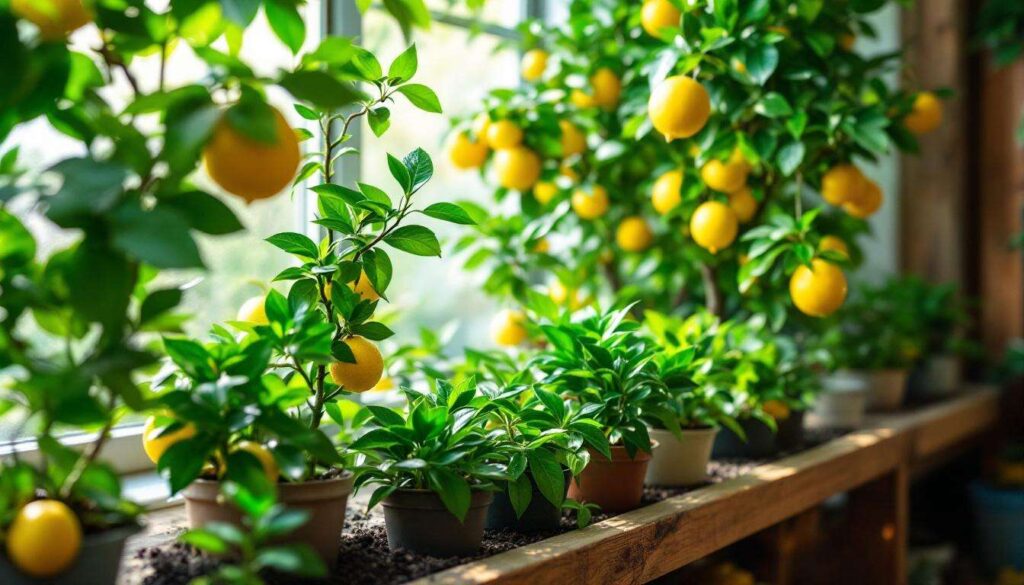
Growing citrus trees from seed at home has transformed my kitchen windowsill into a thriving miniature orchard. What began as an experiment with a single lemon seed has evolved into a collection of vibrant citrus plants that not only purify the air but also provide fresh fruit. The process requires minimal investment and surprisingly little expertise, making it accessible to anyone with a sunny spot and a bit of patience.
Starting with a Simple Lemon Seed
Selecting the right seed
The foundation of a successful citrus forest begins with choosing viable seeds from fresh, organic fruit. Seeds from supermarket lemons work perfectly well, though organic varieties tend to produce healthier seedlings. When cutting open a lemon, look for plump, fully formed seeds rather than flat or discoloured ones, as these have the highest germination rates.
Preparing seeds for planting
Fresh seeds germinate more successfully than dried ones, so timing matters considerably. After extracting seeds from the fruit, rinse them thoroughly to remove any pulp or sugar residue that could encourage mould growth. The protective outer coating should remain intact during this process. Some gardeners advocate for gently removing the seed coat to speed germination, though this step remains optional for beginners.
- Extract seeds from ripe, healthy citrus fruits
- Rinse thoroughly under lukewarm water
- Plant immediately or within 24 hours
- Keep seeds moist until planting
Understanding these fundamentals sets the stage for creating the optimal environment where your citrus seeds can flourish.
The Ideal Conditions for Growing Citrus
Light requirements
Citrus plants are sun-worshippers that demand abundant light to thrive. A south-facing window provides the most consistent exposure in the UK, though supplemental grow lights become necessary during darker winter months. Young seedlings require at least six hours of direct sunlight daily, whilst mature plants benefit from even longer exposure.
Temperature and humidity preferences
Maintaining appropriate environmental conditions significantly impacts growth rates and overall plant health. Citrus trees prefer temperatures between 15°C and 24°C, with slight variations tolerated during different growth phases.
| Growth Stage | Ideal Temperature | Humidity Level |
|---|---|---|
| Germination | 20-25°C | 70-80% |
| Seedling | 18-24°C | 60-70% |
| Mature plant | 15-24°C | 50-60% |
Soil composition
The growing medium must balance drainage with moisture retention. A mixture of standard potting compost, perlite, and coarse sand creates the slightly acidic, well-draining environment citrus roots prefer. Commercial citrus composts work excellently, though homemade mixtures prove equally effective when properly balanced.
With the environmental parameters established, the actual germination process becomes straightforward and remarkably reliable.
Steps of Germination
The paper towel method
This technique offers excellent visibility of the germination process and consistently high success rates. Dampen a paper towel, place cleaned seeds inside, and fold it over. Seal the towel in a plastic bag or container, then position it in a warm location away from direct sunlight. Check daily for moisture levels and watch for the emergence of tiny white roots, which typically appear within one to three weeks.
Direct soil planting
The alternative approach involves planting seeds directly into small pots filled with moistened compost. Plant seeds approximately 1.5 centimetres deep, with the pointed end facing downward. Cover pots with plastic wrap or a clear dome to maintain humidity, creating a miniature greenhouse effect.
- Fill small pots with pre-moistened citrus compost
- Plant seeds at proper depth and orientation
- Cover to maintain consistent moisture
- Place in warm location with indirect light
- Check soil moisture every two days
Transplanting seedlings
Once seedlings develop their second set of true leaves, they’re ready for individual containers. Handle the delicate roots carefully during transplanting, and water thoroughly after repositioning. This critical phase determines whether your seedlings will develop into robust young trees or struggle with stunted growth.
Successfully germinated seedlings now require consistent attention to develop into productive citrus trees.
Care and Maintenance of Your Mini Forest
Watering schedule
Citrus plants despise both drought and waterlogged conditions, making balanced watering essential. The soil surface should dry slightly between waterings, typically requiring moisture every three to five days depending on temperature and humidity. Young plants need more frequent attention than established specimens.
Fertilisation requirements
Regular feeding supports vigorous growth and eventual fruit production. Use a specialist citrus fertiliser containing trace elements like iron and magnesium, which prevent common deficiency symptoms such as yellowing leaves. Feed every two weeks during the growing season, reducing to monthly applications in winter.
Pruning and shaping
Encouraging bushy growth rather than leggy stems creates more attractive and productive plants. Pinch out growing tips when plants reach 15 centimetres tall, promoting lateral branching. Remove any dead or crossing branches to maintain good air circulation throughout the canopy.
- Prune in early spring before new growth begins
- Remove suckers growing from below graft unions
- Shape plants to maintain compact form
- Sterilise pruning tools between cuts
Pest and disease management
Indoor citrus occasionally attracts scale insects, aphids, or spider mites. Regular inspection of leaf undersides catches infestations early. Treat problems with insecticidal soap or neem oil rather than harsh chemicals, as citrus plants absorb substances through their leaves.
With proper ongoing care, your miniature citrus forest will eventually reward you with fragrant blossoms and fresh fruit.
Harvesting and Enjoying Your Homegrown Citrus
Timeline to first fruit
Patience becomes paramount when growing citrus from seed, as seed-grown trees typically require three to six years before producing fruit. Some varieties take even longer, though the journey itself provides considerable satisfaction. The glossy foliage and occasional fragrant blooms offer rewards long before harvest time arrives.
Recognising ripe fruit
Citrus fruits don’t ripen after picking, so timing the harvest correctly ensures optimal flavour. Colour change provides the primary indicator, though some varieties remain green when fully ripe. Gently squeeze fruit to assess firmness, and taste-test one specimen before harvesting the entire crop.
| Citrus Type | Ripening Time | Ripe Indicators |
|---|---|---|
| Lemon | 6-9 months | Yellow colour, slight softness |
| Lime | 4-6 months | Dark green, aromatic |
| Orange | 8-12 months | Deep orange, heavy for size |
Culinary applications
Homegrown citrus possesses exceptional flavour intensity compared to commercial fruit. The zest contains concentrated essential oils perfect for baking, whilst the juice brightens both sweet and savoury dishes. Even a modest harvest provides sufficient fruit for marmalades, preserved lemons, or simply enhancing daily meals.
Growing citrus from seed delivers far more than just fruit. The process connects us to natural cycles, transforms living spaces into green sanctuaries, and provides tangible proof that remarkable results can emerge from the simplest beginnings. A single lemon seed contains the potential for years of beauty, fragrance, and flavour, requiring only consistent care and a willingness to nurture something from its earliest stages. Whether your mini citrus forest eventually numbers three plants or thirty, each tree represents a small triumph of patience and attention over the instant gratification culture that dominates modern life.