

Gardening enthusiasts are constantly seeking natural and cost-effective methods to enhance the health and appearance of their plants. Among the latest trends gaining traction is the practice of watering plants with cooled tea, a technique that promises to deliver greener, glossier leaves whilst making use of everyday household waste. This approach not only offers an environmentally friendly alternative to chemical fertilisers but also provides plants with a range of beneficial nutrients that can transform their vitality and aesthetic appeal.
The benefits of tea on plants
A rich source of essential nutrients
Tea leaves contain a remarkable array of nutrients that can significantly benefit plant growth and development. Nitrogen, present at approximately 4.4% in tea leaves, plays a crucial role in promoting vigorous leaf growth and maintaining that coveted deep green colour. Beyond nitrogen, tea also provides smaller quantities of phosphorus and potassium, both essential for robust root development and the production of vibrant flowers.
The mineral content of tea extends further, offering plants access to:
- Iron, which supports chlorophyll production and prevents leaf yellowing
- Calcium, vital for cell wall structure and overall plant strength
- Zinc, important for enzyme function and growth regulation
- Magnesium, a central component of chlorophyll molecules
Additionally, tea contains vitamins C, D, and K, which collectively contribute to improved plant resilience and health.
Soil pH modification for targeted plant care
One of the most significant effects of using tea water is its ability to alter soil pH levels. The tannic acids present in tea naturally increase soil acidity, creating an environment that certain plants find particularly favourable. Ferns, azaleas, rhododendrons, and other acid-loving species thrive when their soil pH is lowered, making tea water an ideal supplement for these varieties. This pH adjustment occurs gradually, allowing gardeners to fine-tune their soil conditions without dramatic shifts that might shock plant systems.
Enhancing soil structure and moisture retention
Used tea leaves, when incorporated into soil or used as mulch, can substantially improve soil structure. They help to aerate compacted soil, allowing roots to penetrate more easily and access oxygen. Furthermore, tea leaves enhance the soil’s capacity to retain moisture, reducing the frequency of watering required and ensuring plants maintain consistent hydration levels. This is particularly beneficial during warmer months when water conservation becomes a priority.
Natural pest deterrent properties
The tannin content in tea offers an unexpected advantage: it acts as a natural insect repellent. Aphids and certain other common garden pests find the tannic compounds unappealing, potentially reducing infestations without resorting to chemical pesticides. This makes tea water an attractive option for gardeners committed to organic growing practices.
Understanding these diverse benefits sets the foundation for implementing this technique effectively, but proper application is essential to maximise results.
How to use tea for watering
Preparing tea water correctly
The preparation of tea water requires careful attention to temperature and concentration. Always allow brewed tea to cool completely before applying it to plants, as hot liquid can shock and damage delicate root systems. Room temperature or slightly cool tea is ideal for plant application. For best results, use tea that has been steeped normally for drinking purposes, then cooled, rather than creating an overly concentrated brew specifically for plants.
Application frequency and quantity
Moderation is key when incorporating tea into your watering routine. Consider the following guidelines:
- Use tea water once weekly for acid-loving plants
- For neutral-preference plants, limit application to once fortnightly
- Dilute strong tea with equal parts fresh water if concerned about acidity
- Monitor plant response and adjust frequency accordingly
Overuse can lead to excessive soil acidity, which may harm plants that prefer neutral or alkaline conditions. Start conservatively and observe how your plants respond before increasing application frequency.
Methods of application
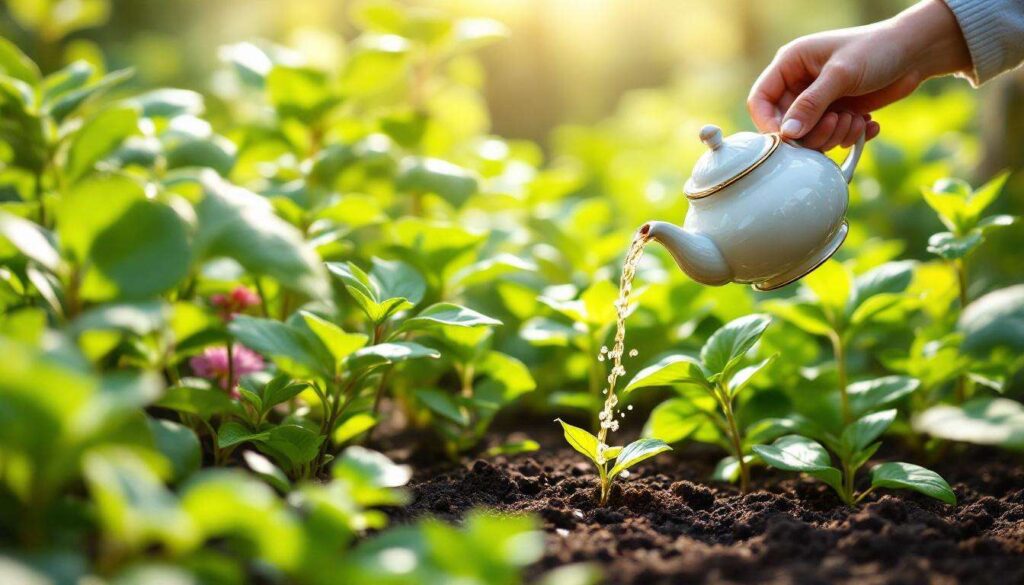
Tea can be applied in several ways depending on your gardening setup and plant types. Direct watering at the soil level is the most common method, ensuring the liquid reaches the root zone without wetting foliage unnecessarily. Alternatively, used tea leaves can be worked into compost bins, where they contribute nitrogen and other nutrients to the decomposition process. Some gardeners also use cooled tea as a foliar spray, though this should be done sparingly and only on plants known to tolerate such treatment.
Selecting the appropriate type of tea further optimises the benefits your plants receive.
Tea: which variety to choose for best results
Black tea as the standard choice
Black tea represents the most commonly used variety for plant watering, primarily due to its widespread availability and moderate tannin content. Ordinary breakfast tea works exceptionally well, providing a balanced nutrient profile without extreme acidity. The oxidation process that black tea undergoes creates compounds that are readily accessible to plants, making it an efficient choice for most gardening applications.
Green tea for gentler treatment
Green tea offers a milder alternative with lower tannin levels, making it suitable for plants that benefit from nutrients but are sensitive to pH changes. Its antioxidant properties may also provide additional benefits to plant health, though research in this area remains limited. Green tea works particularly well for houseplants and species that prefer less acidic conditions.
Herbal and speciality teas
Herbal infusions such as chamomile or nettle tea can also benefit plants, though their effects differ from traditional teas. Chamomile possesses antifungal properties that may help prevent damping-off in seedlings, whilst nettle tea is renowned for its high nitrogen content. However, avoid teas containing oils, flavourings, or additives, as these can potentially harm plants or attract unwanted pests.
| Tea Variety | Acidity Level | Best For |
|---|---|---|
| Black tea | Moderate | Acid-loving plants, general use |
| Green tea | Low | Sensitive plants, houseplants |
| Chamomile | Neutral | Seedlings, fungal prevention |
| Nettle | Moderate | Leafy vegetables, nitrogen boost |
Whilst tea variety matters, understanding potential drawbacks ensures safe and effective use.
Precautions and limitations of using tea in the garden
Avoiding excessive acidity
The primary concern when using tea water is the risk of creating overly acidic soil conditions. Plants that prefer neutral or alkaline environments, such as lavender, clematis, or many vegetables, may suffer if exposed to frequent tea applications. Symptoms of excessive acidity include yellowing leaves, stunted growth, and poor flowering. Regular soil pH testing helps gardeners monitor conditions and adjust their watering practices accordingly.
Caffeine considerations
Although present in relatively small amounts after brewing, caffeine can accumulate in soil with repeated applications. Some studies suggest that high caffeine concentrations may inhibit plant growth, particularly in seedlings and young plants. Using decaffeinated tea eliminates this concern entirely, making it a safer choice for frequent application or use on delicate specimens.
Mould and bacterial growth
Tea, being organic matter, can potentially encourage mould or bacterial growth if applied excessively or allowed to sit on plant surfaces. To minimise this risk:
- Apply tea water directly to soil rather than foliage
- Ensure adequate drainage to prevent waterlogging
- Avoid watering during humid conditions when fungal growth is more likely
- Never use tea that has developed mould or off odours
Limitations for certain growing conditions
Container plants require particular caution, as they have limited soil volume and drainage compared to garden beds. The accumulation of tannins and other compounds can occur more rapidly in pots, potentially reaching problematic levels. For containerised plants, dilute tea more thoroughly and use less frequently than you might for garden specimens.
Knowing which plants respond best to tea water helps gardeners target their efforts effectively.
Plants that love being watered with tea
Acid-loving ornamentals
Numerous popular ornamental plants thrive when provided with tea water due to their preference for acidic soil conditions. Ferns respond particularly well, developing lusher fronds and deeper green colouration. Azaleas and rhododendrons, both notorious for their acid requirements, benefit from regular tea applications, often rewarding gardeners with more abundant blooms and healthier foliage.
Houseplants that benefit
Several common houseplants show marked improvement when occasionally watered with cooled tea:
- Spider plants develop glossier, more vibrant foliage
- Peace lilies maintain deeper green leaves and improved flowering
- Rubber plants exhibit enhanced leaf shine and vigour
- African violets may produce more prolific blooms
These species appreciate the gentle nutrient boost that tea provides without requiring dramatic soil pH changes.
Vegetables and herbs
Certain edible plants also respond favourably to tea water. Tomatoes, which prefer slightly acidic conditions, often show improved growth and fruit production. Blueberries, being highly acid-loving, thrive with regular tea applications. Herbs such as parsley and coriander may develop more aromatic leaves when treated with diluted tea water, though moderation remains important to avoid over-acidification.
Roses and other flowering shrubs
Roses benefit from the nitrogen content in tea, which supports healthy leaf development and provides the foundation for abundant flowering. The tannic acids also help create the slightly acidic conditions that many rose varieties prefer. Camellias and gardenias similarly appreciate tea water, often responding with glossier foliage and more vibrant blooms.
Even with ideal plant selection, certain practices can undermine the benefits of tea watering.
Mistakes to avoid when watering with tea
Using tea that is too hot
Applying tea before it has cooled sufficiently represents one of the most common errors. Hot liquid can severely damage or kill plant roots, negating any potential benefits. Always ensure tea has reached room temperature or cooler before application, particularly when watering sensitive or young plants.
Overuse and excessive frequency
Enthusiasm for this natural technique can lead gardeners to apply tea too frequently. More is not better in this case, as excessive applications lead to nutrient imbalances and problematic acidity levels. Establish a moderate schedule and resist the temptation to increase frequency without observing plant response over several weeks.
Neglecting to remove tea bags or leaves
Leaving tea bags or loose leaves on the soil surface may seem harmless, but this practice can attract pests, encourage mould growth, and create unsightly conditions. If incorporating used tea leaves, work them into the soil or compost rather than leaving them exposed. For liquid applications, strain the tea to remove all solid particles.
Ignoring individual plant requirements
Perhaps the most significant mistake is applying tea water indiscriminately without considering specific plant needs. Research the pH preferences and nutritional requirements of your plants before implementing tea watering. What benefits ferns may harm lavender, making knowledge of individual species essential for success.
Using flavoured or additised teas
Teas containing added sugars, milk, flavourings, or oils should never be used for plants. These additives can attract pests, promote harmful bacterial growth, and potentially damage plant tissues. Stick to plain, unflavoured teas without any additions for safe and effective application.
Watering plants with cooled tea offers gardeners an accessible, sustainable method for enhancing plant health and appearance. The technique provides valuable nutrients, improves soil structure, and can create optimal pH conditions for acid-loving species. Success depends on understanding which plants benefit most, using appropriate tea varieties, and avoiding common pitfalls such as excessive application or using overly hot liquid. When implemented thoughtfully, this practice transforms everyday waste into a valuable gardening resource, delivering greener, glossier foliage whilst supporting environmentally conscious cultivation methods. Regular observation and adjustment ensure plants receive optimal care tailored to their specific requirements.