


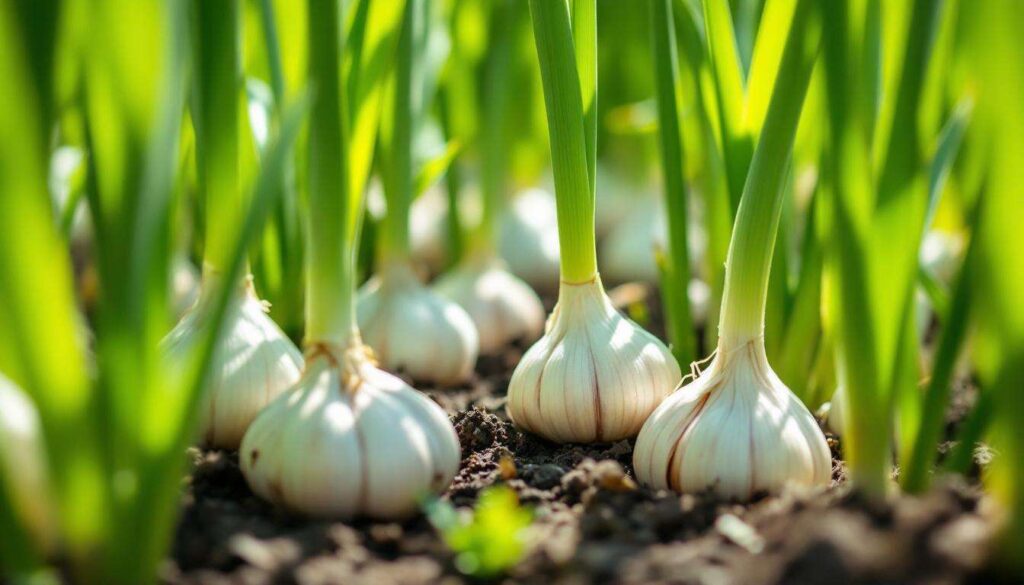
Growing garlic successfully requires understanding a few fundamental principles that transform amateur attempts into professional results. This hardy bulb thrives in well-prepared conditions and rewards minimal intervention with plump, aromatic heads that enhance countless dishes. Whether you’re cultivating a small kitchen garden or managing larger plots, mastering these straightforward techniques ensures consistent harvests of flavourful garlic year after year.
Preparing the soil for a successful crop
Understanding soil composition requirements
Garlic demands well-drained soil with a slightly acidic to neutral pH between 6.0 and 7.0. Heavy clay soils retain excessive moisture, encouraging rot and disease, whilst sandy soils drain too quickly and lack essential nutrients. The ideal growing medium combines good drainage with sufficient organic matter to retain moisture during dry spells. Testing your soil pH before planting allows you to make necessary amendments, ensuring optimal conditions from the outset.
Enriching the growing medium
Incorporating organic matter several weeks before planting creates the nutrient-rich environment garlic requires. Consider these amendments:
- Well-rotted compost or aged manure at 5-10 cm depth
- Bone meal for phosphorus to encourage root development
- Wood ash in moderation to provide potassium
- Green manure crops turned in during autumn
Avoid fresh manure, which burns tender roots and introduces excessive nitrogen that promotes leaf growth at the expense of bulb formation. Working amendments into the top 20-30 cm ensures roots access nutrients throughout the growing season.
Creating proper drainage systems
For gardens with poor drainage, raised beds offer an effective solution. Constructing beds 15-20 cm high prevents waterlogging during wet periods whilst maintaining soil warmth. Adding coarse sand or grit to heavy soils improves structure, though this requires annual application as clay particles gradually compact again. These preparations establish the foundation for healthy garlic development and naturally lead to selecting appropriate planting material.
Selecting and planting quality cloves
Choosing superior garlic varieties
Selecting hardneck or softneck varieties depends on your climate and culinary preferences. Hardneck types produce fewer but larger cloves with complex flavours, thriving in colder regions. Softneck varieties store longer and suit milder climates, producing numerous smaller cloves ideal for braiding. Purchase certified disease-free bulbs from reputable suppliers rather than supermarket garlic, which may carry pathogens or unsuitable varieties.
Preparing cloves for planting
Separate bulbs into individual cloves 24-48 hours before planting, keeping the papery skin intact. Select only the largest, healthiest cloves from the outer ring, as these produce the most vigorous plants. Discard small inner cloves or plant them separately for garlic greens. Soaking cloves in a solution of baking soda (one tablespoon per litre of water) for 30 minutes provides natural disease protection.
Optimal planting techniques
| Aspect | Specification |
|---|---|
| Planting depth | 5-7 cm below soil surface |
| Spacing between cloves | 10-15 cm |
| Row spacing | 20-30 cm |
| Orientation | Pointed end upwards |
Plant during autumn for spring harvest, allowing roots to establish before winter dormancy. Mulch with straw or leaves after planting to regulate soil temperature and suppress weeds. Understanding these planting fundamentals sets the stage for appropriate ongoing care throughout the growing season.
Maintenance and watering for robust bulbs
Establishing watering schedules
Garlic requires consistent moisture during active growth but tolerates brief dry periods better than waterlogged conditions. Water deeply once weekly during dry spells, providing 2-3 cm of water to encourage deep root penetration. Reduce watering frequency as bulbs mature, stopping entirely 2-3 weeks before harvest to prevent splitting and improve storage quality. Morning watering allows foliage to dry before evening, reducing disease risk.
Implementing effective mulching strategies
Maintaining a 5-10 cm layer of organic mulch provides multiple benefits:
- Regulates soil temperature fluctuations
- Conserves moisture during dry periods
- Suppresses weed competition
- Adds organic matter as it decomposes
Refresh mulch layers in spring as winter applications decompose. Keep mulch 2-3 cm away from stems to prevent rot and pest harbourage.
Managing fertilisation requirements
Garlic grown in well-prepared soil requires minimal additional feeding. Apply nitrogen-rich fertiliser in early spring when shoots emerge, using blood meal or fish emulsion at half the recommended strength. Avoid fertilising after mid-spring, as excess nitrogen delays maturation and reduces storage life. These maintenance practices create conditions that naturally resist many common problems.
Key actions to combat diseases
Preventing fungal infections
White rot, rust, and downy mildew represent the most common fungal threats to garlic crops. Prevention proves more effective than treatment, requiring crop rotation of at least four years between allium plantings in the same location. Ensure adequate spacing for air circulation and avoid overhead watering that leaves foliage wet. Remove infected plants immediately, disposing of them away from compost heaps to prevent spore spread.
Addressing pest challenges
Onion flies, thrips, and nematodes occasionally trouble garlic plantings. Companion planting with carrots, beetroot, or chamomile confuses pests through scent masking. Fine mesh netting excludes flying insects during vulnerable early growth stages. Healthy, vigorous plants naturally resist pest damage better than stressed specimens, making proper cultivation the primary defence strategy.
Recognising nutrient deficiencies
Yellowing leaves may indicate nitrogen deficiency, whilst purple-tinged foliage suggests phosphorus shortage. Twisted or stunted growth often results from boron deficiency in alkaline soils. Addressing these issues promptly prevents reduced bulb development. Once plants overcome these challenges, attention turns to harvesting at the optimal moment.
Harvesting and storing garlic heads
Identifying harvest readiness
Garlic reaches maturity when lower leaves yellow whilst 4-6 green leaves remain. Harvesting too early produces small, poorly wrapped bulbs that store poorly, whilst delayed harvesting causes cloves to separate and skins to deteriorate. Test readiness by carefully excavating one bulb to check wrapper integrity and clove definition.
Proper harvesting techniques
Loosen soil around bulbs with a fork, working 10 cm away from stems to avoid damage. Lift plants gently, shaking off excess soil without removing outer skins. Handle bulbs carefully, as bruising reduces storage life significantly. Harvest during dry weather when possible, allowing bulbs to dry partially in the field for several hours before moving to covered storage.
Curing and storage methods
| Storage method | Duration | Conditions |
|---|---|---|
| Curing | 2-4 weeks | Warm, dry, well-ventilated |
| Long-term storage | 6-8 months | Cool (13-18°C), dark, low humidity |
Hang bundles or spread bulbs in single layers on racks in a shaded, airy location. Once stems and roots dry completely, trim roots to 1 cm and stems to 2-3 cm, or leave long for braiding. Store only perfect bulbs, using damaged ones immediately. Beyond preservation, specific practices enhance garlic’s culinary qualities.
Tips to enhance taste and aroma
Selecting varieties for flavour profiles
Different garlic varieties offer distinct flavour characteristics. Purple-skinned varieties typically provide robust, spicy notes, whilst white varieties offer milder, sweeter profiles. Experimenting with multiple varieties identifies preferences for specific culinary applications. Growing conditions significantly influence flavour intensity, with stress-free plants producing more complex tastes.
Optimising growing conditions for intensity
Several factors enhance garlic’s pungency and aroma:
- Moderate water stress during bulb formation concentrates flavour compounds
- Adequate sulphur availability intensifies characteristic garlic taste
- Cooler curing temperatures preserve volatile aromatic compounds
- Proper maturation before harvest allows full flavour development
Post-harvest flavour enhancement
Allowing cured garlic to age for several weeks after initial drying mellows harsh notes whilst developing complexity. Store bulbs intended for immediate use separately from long-term storage stock. Black garlic, created through controlled aging at high humidity and temperature, offers sweet, umami-rich alternatives to fresh cloves for adventurous growers willing to experiment.
Successful garlic cultivation combines careful soil preparation, appropriate variety selection, and attentive maintenance throughout the growing season. By implementing proper planting techniques, maintaining consistent moisture levels, and harvesting at the optimal moment, gardeners achieve professional results with minimal effort. These straightforward practices deliver plump, aromatic bulbs that enhance culinary creations whilst providing the satisfaction of homegrown produce. Whether you’re beginning your first garlic crop or refining established techniques, these principles ensure reliable harvests season after season.