
Houseplants bring life and colour to our homes, yet many enthusiasts find themselves puzzled when foliage begins to turn an unsightly brown. Whilst the instinct might be to reach for the watering can, horticulturists reveal that the underlying causes often lie elsewhere. From atmospheric conditions to nutrient imbalances, the factors contributing to this common problem extend far beyond simple hydration issues. Understanding these lesser-known triggers proves essential for anyone seeking to maintain vibrant, healthy plants throughout the year.
Understanding the phenomenon of brown leaves
The physiological process behind leaf discolouration
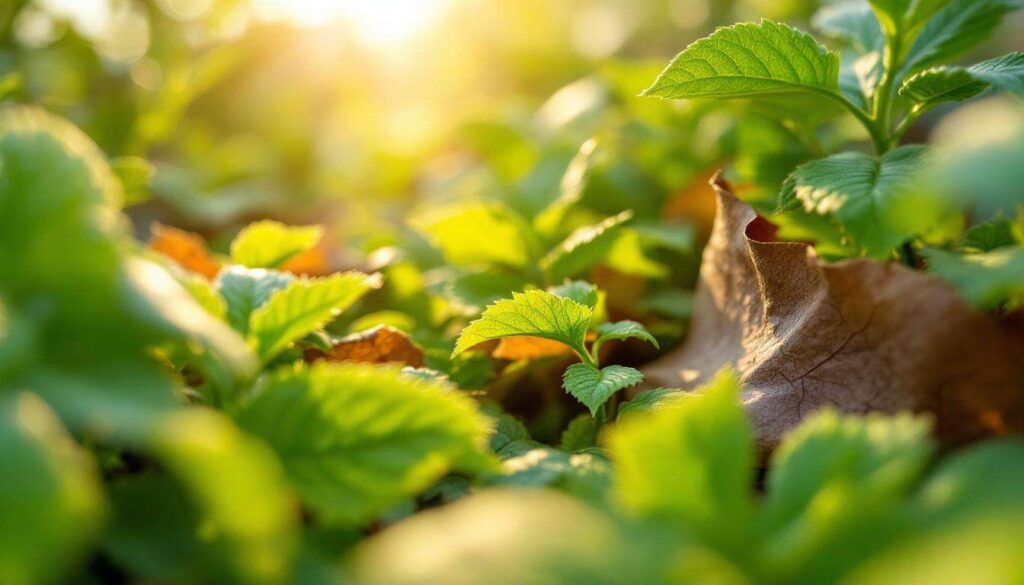
Brown leaves represent a visible sign that a plant is experiencing some form of distress. The browning typically begins at the leaf tips or edges, gradually spreading inward as the condition worsens. This pattern occurs because the extremities of leaves sit furthest from the plant’s vascular system, making them the first areas to suffer when resources become scarce. The discolouration results from cell death, which happens when tissues cannot maintain their normal metabolic functions due to various stressors.
Why watering alone does not tell the whole story
Whilst insufficient watering certainly contributes to brown leaves in some cases, horticulture experts emphasise that moisture levels represent just one piece of a much larger puzzle. Plants require a delicate balance of environmental conditions to thrive, and disruptions to any of these factors can manifest as leaf damage. The complexity of plant health means that jumping to conclusions about watering can lead gardeners astray, potentially causing them to overlook the true culprit behind their plants’ decline.
Having established that brown leaves signal broader issues than simple dehydration, examining the specific causes becomes crucial for effective treatment.
Main causes of brown leaves
Dry air as a primary culprit
Atmospheric humidity levels play a surprisingly significant role in leaf health, particularly during winter months when indoor heating systems operate continuously. Central heating dramatically reduces ambient moisture, causing water to evaporate rapidly from leaf surfaces. Plants struggle to replace this lost moisture quickly enough, especially at the leaf tips where the sap transport system has the longest distance to travel. This phenomenon affects numerous houseplants, with fine-leaved varieties such as dracaenas and cordylines proving particularly vulnerable.
Salt accumulation in soil
Excessive fertiliser application or the use of softened water leads to a gradual build-up of mineral salts within the growing medium. These accumulated salts damage root systems, impairing their ability to absorb both water and essential nutrients effectively. The following factors contribute to salt accumulation:
- Over-application of chemical fertilisers beyond recommended doses
- Using water treated with salt-based softening systems
- Inadequate flushing of soil during watering sessions
- Poor drainage preventing excess salts from washing away
Nutrient imbalances affecting foliage
Plants require a careful balance of nutrients to maintain healthy growth. Deficiencies in potassium, magnesium or nitrogen commonly manifest as brown spots or edges on leaves. Conversely, excessive nutrient levels can prove equally damaging, causing chemical burns that present as brown, crispy patches. Broad-leaved plants including calatheas and carnivorous species show particular sensitivity to nutritional irregularities.
| Nutrient | Deficiency symptoms | Excess symptoms |
|---|---|---|
| Nitrogen | Yellowing followed by browning of older leaves | Dark green foliage with brown tips |
| Potassium | Brown edges on mature leaves | Root damage leading to overall browning |
| Magnesium | Interveinal browning on older leaves | Rare but can cause nutrient lockout |
Water quality concerns
The chemical composition of water used for irrigation significantly impacts plant health. Tap water often contains chlorine, fluoride and other treatment chemicals that accumulate in soil over time. These substances can damage sensitive root systems, reducing their efficiency and leading to symptoms that mimic underwatering, including brown leaf tips. Rainwater or filtered water provides safer alternatives for sensitive species.
Whilst these internal factors prove significant, external environmental conditions exert equally powerful influences on plant wellbeing.
Influence of environmental stress
Temperature extremes and their impact
Plants evolved to thrive within specific temperature ranges, and deviations from these optimal conditions trigger stress responses. Exposure to temperatures that are excessively hot or cold causes cellular damage that manifests as brown, scorched-looking patches on foliage. Cold drafts from windows or air conditioning vents prove particularly problematic during winter, whilst proximity to radiators or heating vents creates localised hot spots that desiccate leaves rapidly.
Wind and air movement effects
Both indoor and outdoor plants suffer when subjected to harsh air currents. Hot, dry winds strip moisture from leaf surfaces faster than roots can replenish it, whilst cool breezes lower leaf temperature and slow metabolic processes. Indoor fans positioned too close to plants create similar problems, causing localised drying that begins at leaf edges and progresses inward.
Humidity fluctuations throughout seasons
Seasonal changes bring dramatic shifts in atmospheric moisture levels. The transition from humid summer conditions to dry winter air places considerable stress on houseplants accustomed to stable environments. Plants native to tropical regions struggle most with these fluctuations, as their natural habitats maintain consistent humidity year-round. The following species demonstrate particular sensitivity:
- Calatheas and prayer plants
- Ferns of all varieties
- Carnivorous plants including sundews and pitcher plants
- Cordylines and dracaenas with fine foliage
Beyond temperature and humidity, the quality and quantity of light reaching plants proves equally critical to their survival.
Lighting issues not to be overlooked
Insufficient light exposure
Inadequate illumination weakens plants gradually, compromising their ability to photosynthesise effectively. Weakened plants become more susceptible to all forms of stress, including those that cause brown leaves. Whilst insufficient light rarely causes browning directly, it reduces overall plant vigour, making foliage more vulnerable to damage from other factors such as low humidity or temperature fluctuations.
Excessive direct sunlight
Conversely, too much direct sunlight causes immediate and visible damage in the form of sunburn. Leaves exposed to intense rays develop brown, papery patches where tissue has literally been scorched. This problem affects plants moved suddenly from shaded positions to bright locations, as they lack time to acclimate to increased light levels. South-facing windows prove particularly problematic during summer months when the sun’s intensity peaks.
Inconsistent lighting patterns
Plants rely on predictable day-night cycles to regulate their internal processes. Irregular lighting schedules, such as those caused by frequently moving plants or inconsistent use of grow lights, disrupt these rhythms. The resulting stress manifests in various ways, including leaf browning, particularly when combined with other environmental challenges.
Armed with knowledge of these causes, gardeners can implement targeted strategies to restore plant health and prevent future problems.
Solutions to revive your plants
Increasing ambient humidity
Raising moisture levels in the air surrounding plants addresses one of the most common causes of brown leaves. Several practical methods achieve this goal:
- Positioning electric humidifiers near plant collections
- Placing water-filled trays or saucers beneath or near pots
- Grouping plants together to create localised humid microclimates
- Misting foliage regularly, though this provides only temporary relief
Optimising watering practices
Finding the correct balance between too much and too little water requires careful observation. Check soil moisture regularly by inserting a finger several centimetres below the surface. Water thoroughly when the top layer feels dry, ensuring excess drains away completely. This prevents both drought stress and waterlogging, which can damage roots and indirectly cause leaf browning.
Improving water quality
Switching to rainwater or filtered tap water eliminates harmful chemicals that accumulate in soil over time. If these options prove impractical, allowing tap water to stand overnight before use permits chlorine to dissipate naturally. For plants showing signs of salt damage, flushing soil thoroughly with clean water helps remove accumulated minerals.
Managing fertiliser application
Using fertilisers judiciously prevents salt build-up whilst ensuring plants receive adequate nutrition. Apply diluted solutions at half the recommended strength during the growing season, reducing or eliminating feeding during winter dormancy. Organic fertilisers release nutrients more slowly, reducing the risk of chemical burns.
Addressing environmental factors
Position plants away from heating vents, air conditioning units and drafty windows. Maintain consistent temperatures within each species’ preferred range, typically between 15°C and 24°C for most houseplants. Shield sensitive varieties from direct afternoon sun whilst ensuring they receive adequate indirect light throughout the day.
Despite implementing these solutions, some situations warrant professional assessment to identify underlying issues.
When to consult a horticulture expert
Persistent problems despite intervention
If brown leaves continue appearing after addressing common causes, professional guidance becomes valuable. Experts possess diagnostic skills and experience that enable them to identify subtle problems overlooked by amateur gardeners. They can test soil composition, assess root health and recommend specific treatments tailored to individual plant needs.
Identifying pest and disease issues
Fungal infections and pest infestations require specialist knowledge to diagnose and treat effectively. Symptoms such as brown spots with yellow halos, sticky residue on leaves or visible insects indicate problems beyond simple environmental stress. Horticulturists can recommend appropriate treatments, whether organic or chemical, and advise on preventing recurrence.
Rare or valuable specimens
Plants with significant monetary or sentimental value warrant expert attention at the first sign of distress. Professional consultation proves particularly worthwhile for:
- Rare species with specific care requirements
- Mature specimens representing years of growth
- Plants inherited from family members or friends
- Collections of high-value ornamental varieties
Brown leaves signal various underlying issues that extend far beyond simple watering problems. Dry air, particularly during winter months, emerges as a primary culprit, whilst salt accumulation, nutrient imbalances and poor water quality contribute significantly to leaf damage. Environmental stressors including temperature extremes and lighting issues compound these problems, affecting plant health in complex ways. Addressing brown leaves requires a holistic approach that considers humidity levels, watering practices, fertiliser use and environmental conditions. By implementing targeted solutions and seeking professional guidance when necessary, gardeners can restore their plants to vibrant health and prevent future occurrences of this common but frustrating problem.