



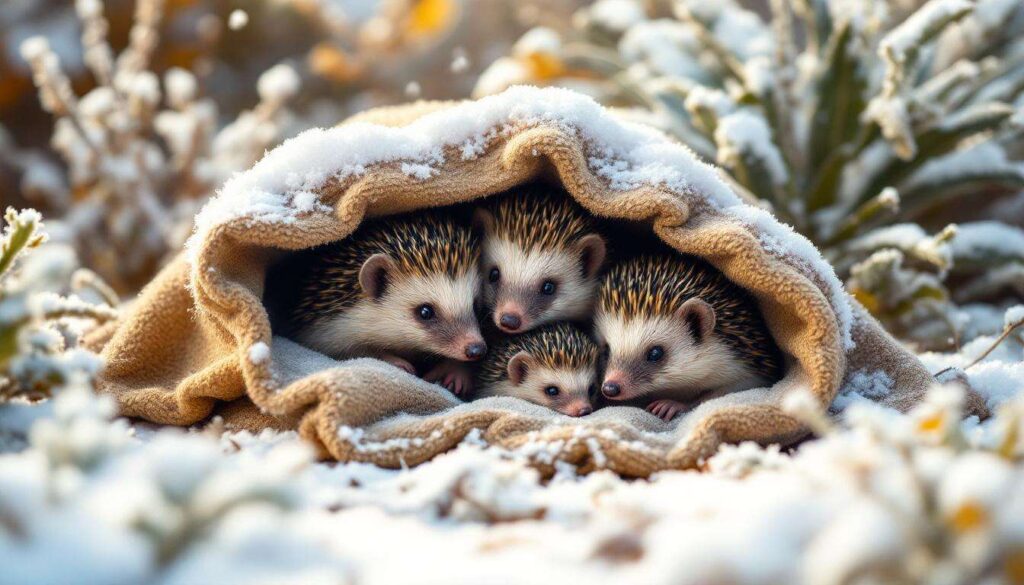
Discarded towels often end up in landfill, yet they hold untapped potential for supporting wildlife through the harshest months of the year. As temperatures plummet and natural resources become scarce, garden creatures face significant challenges in maintaining body temperature and finding adequate shelter. Repurposing old bathroom linens offers a practical, cost-free solution that benefits both the environment and the vulnerable species struggling to survive winter’s grip.
Reusing towels to protect wildlife in winter
Why textile waste matters for conservation
Each year, households discard millions of towels that retain considerable insulation properties despite their worn appearance. These absorbent fabrics provide exceptional thermal protection when strategically placed in garden habitats. Unlike synthetic alternatives, natural cotton towels are biodegradable and safe for animals to nest against, creating no risk of entanglement or ingestion.
Understanding winter wildlife needs
During winter, wildlife faces three critical challenges:
- Maintaining core body temperature in freezing conditions
- Finding dry shelter away from wind and precipitation
- Conserving energy reserves until spring arrives
- Accessing unfrozen water sources for hydration
Old towels address each of these concerns when applied thoughtfully across garden spaces. Their thick pile traps air pockets, creating natural insulation layers that reduce heat loss by up to forty percent compared to exposed shelters.
Preparing towels for wildlife use
Before deployment, ensure towels are clean and free from chemical residues. Avoid fabric softeners or strong detergents, as these can irritate sensitive wildlife. Cut larger towels into manageable sections, making them easier to position in various locations throughout your garden.
With towels prepared, the next step involves creating specific refuges for species that depend on human intervention for winter survival.
Insulating hedgehog shelters with old towels
Building an effective hedgehog hibernaculum
Hedgehogs enter hibernation when temperatures consistently drop below five degrees Celsius. A well-insulated shelter can mean the difference between survival and hypothermia for these declining mammals. Position a wooden box or purpose-built hedgehog house in a quiet corner, then line the interior with layered towel sections.
Layering technique for maximum warmth
Apply towels in the following sequence:
- Base layer: fold one towel to cover the entire floor
- Wall insulation: drape cut sections along interior walls
- Entrance tunnel: loosely roll a towel to create a draft excluder
- Roof lining: place a final towel beneath the shelter roof
Leave the central nesting area empty so hedgehogs can arrange their preferred bedding materials, typically dry leaves and grass. The towel layers create a thermal envelope that maintains internal temperatures several degrees above external conditions.
Maintenance throughout winter
| Month | Check frequency | Action required |
|---|---|---|
| November | Weekly | Ensure towels remain dry |
| December-February | Fortnightly | Replace damp materials only |
| March | Weekly | Prepare for emergence |
Avoid disturbing hibernating hedgehogs except when absolutely necessary. Waking a hedgehog during deep hibernation depletes vital energy reserves and may prove fatal.
Beyond hedgehogs, other cold-blooded creatures require equally thoughtful winter accommodation.
Creating hibernation refuges for amphibians
Understanding amphibian winter behaviour
Frogs, toads and newts seek frost-free environments where they can enter a state of dormancy called brumation. These creatures are particularly vulnerable to temperature fluctuations that can cause fatal ice crystal formation within their tissues. Old towels provide crucial buffering against such extremes.
Constructing a towel-lined refuge
Select a sheltered location near existing pond habitats. Create a simple structure using:
- Stacked logs or bricks forming a small cavity
- Towel sections stuffed into gaps between materials
- A waterproof covering to prevent rain ingress
- Additional towel layers inside the cavity itself
The refuge should remain consistently cool but never freezing, with towels moderating temperature swings that occur during sunny winter days followed by frosty nights.
Positioning for optimal use
Place amphibian refuges within two metres of water features, as animals instinctively seek hibernation sites close to their breeding grounds. Ensure the entrance remains accessible throughout winter, avoiding locations prone to flooding or heavy snow accumulation.
While terrestrial creatures benefit from towel insulation, aquatic features require different protective strategies.
Preventing bird baths from freezing using towels
The critical importance of winter water
Birds require liquid water daily for drinking and feather maintenance, yet natural sources frequently freeze solid during cold snaps. Dehydration poses a greater winter threat to birds than starvation, making unfrozen water provision essential for garden bird populations.
Towel insulation method
Wrap old towels around the exterior of bird bath pedestals and bowls, securing them with biodegradable twine. This insulation layer slows heat transfer from water to surrounding air, delaying freezing by several hours during marginal temperatures. For shallow dishes, place a folded towel underneath to create a thermal barrier from frozen ground.
Combining methods for effectiveness
| Temperature range | Towel layers needed | Additional measures |
|---|---|---|
| 0°C to -3°C | Single wrap | Refresh water twice daily |
| -4°C to -7°C | Double wrap | Add floating ball to prevent surface freeze |
| Below -8°C | Triple wrap | Use warm (not hot) water at dawn |
Remember that towels alone cannot prevent freezing in severe conditions, but they significantly extend the period water remains accessible to wildlife.
Smaller invertebrates also benefit enormously from textile insulation during winter dormancy.
Adding extra insulation to insect hotels
Why insects need winter protection
Solitary bees, ladybirds and lacewings overwinter in various life stages within garden structures. These beneficial insects provide essential pollination and pest control services, making their survival crucial for garden health. Insect hotels offer artificial hibernation sites, but many lack adequate insulation for prolonged cold periods.
Retrofitting existing structures
Enhance insect hotels by tucking small towel pieces into gaps between bamboo canes or drilled wooden blocks. Avoid blocking entrance holes, but fill empty spaces within the structure’s framework. This creates dead air spaces that dramatically improve thermal performance without compromising accessibility.
Creating towel-wrapped winter chambers
For free-standing insect hotels, wrap the entire structure in old towels during the coldest months:
- Begin wrapping from the base, working upwards
- Overlap layers to eliminate cold bridges
- Leave the front face partially exposed for ventilation
- Secure with natural twine or wire
- Add a waterproof outer layer if necessary
Remove wrapping in early spring to allow emerging insects easy exit routes. Monitor structures regularly to ensure towels remain dry and mould-free.
When personal wildlife projects reach capacity, community resources offer additional opportunities for towel reuse.
Donating unused towels to the RSPCA
How animal charities utilise textile donations
The RSPCA and similar organisations constantly require soft materials for rehabilitating injured wildlife. Old towels serve multiple purposes within rescue centres, from lining transport cages to providing bedding for recovering animals. These charities process donations year-round but experience heightened demand during winter when casualty numbers increase.
Donation requirements and preparation
Before donating, ensure towels meet basic standards:
- Clean and dry with no strong odours
- Free from excessive holes or torn edges
- Washed in non-biological detergent only
- Cut into manageable sizes if very large
Even heavily worn towels remain useful for initial animal containment or as disposable cage liners. Contact local branches to confirm current needs and drop-off procedures, as requirements vary between facilities.
Alternative wildlife organisations
| Organisation type | Towel usage | Typical annual need |
|---|---|---|
| Wildlife hospitals | Patient bedding and warmth | 500-1000 towels |
| Hedgehog rescue centres | Nest material and handling | 300-600 towels |
| Bird rehabilitation units | Cage lining and transport | 400-800 towels |
Donations directly support wildlife welfare whilst diverting textiles from landfill, creating environmental benefits that extend beyond individual animal care.
Repurposing old towels for wildlife protection combines practical conservation with sustainable waste reduction. Whether insulating hedgehog shelters, creating amphibian refuges, preventing water sources from freezing, enhancing insect hotels or donating to animal charities, worn linens provide invaluable support for creatures navigating winter’s challenges. These simple interventions require minimal effort yet deliver substantial benefits for garden biodiversity, demonstrating how everyday household items can become powerful tools for environmental stewardship during the coldest months.