


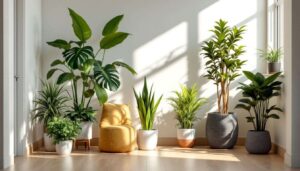
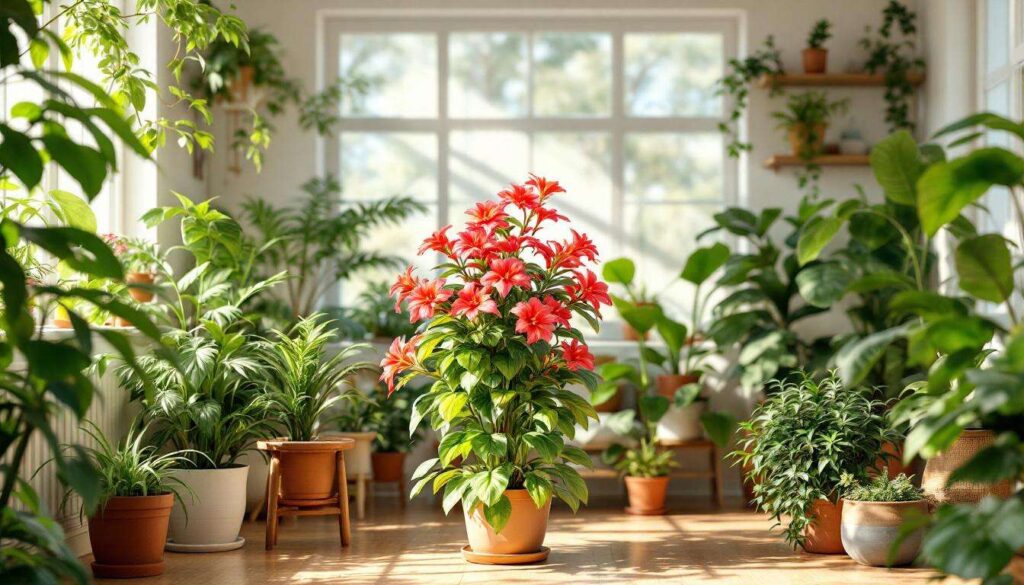
Walking into a room filled with greenery brings an immediate sense of calm and connection to nature. Over the years, my collection of houseplants has grown from a modest trio of succulents to an impressive assembly of ferns, trailing vines, and exotic foliage. Yet amongst this botanical abundance, one particular specimen stands out as my absolute favourite: a flowering plant that combines beauty with remarkably easy care requirements. This unassuming champion has transformed my approach to indoor gardening and proven that spectacular displays need not demand constant attention.
Introduction to my obsession with houseplants
My journey into the world of indoor plants began somewhat accidentally. A single spider plant gifted by a colleague sparked an interest that quickly evolved into a full-blown passion. Within months, my windowsills were crowded with various specimens, each requiring different levels of care and attention.
The evolution of my collection
The initial phase involved considerable trial and error. Some plants thrived whilst others withered despite my best efforts. I learned valuable lessons about light requirements, watering schedules, and the importance of proper drainage. My collection expanded to include:
- Tropical varieties such as monsteras and philodendrons
- Drought-tolerant succulents and cacti
- Air-purifying plants like peace lilies and snake plants
- Delicate ferns requiring high humidity
- Flowering specimens for seasonal colour
Each addition taught me something new about plant care, but also highlighted the time commitment required to maintain such a diverse collection. The search for a low-maintenance yet visually striking option became increasingly important as my work schedule intensified.
The challenge of balancing variety and practicality
Managing dozens of plants with varying needs presents logistical challenges. Creating watering schedules, monitoring humidity levels, and ensuring adequate light for each species can become overwhelming. This reality prompted me to seek plants that offered maximum visual impact with minimal fuss, leading me to discover the flowering specimen that would become my favourite.
This realisation naturally led me to explore options that combined aesthetic appeal with straightforward care requirements.
The allure of low-maintenance flowering plants
Flowering houseplants often carry a reputation for being temperamental and demanding. Many varieties require precise conditions to bloom, making them intimidating for those with busy lifestyles. However, certain species defy these expectations entirely.
Breaking the high-maintenance stereotype
The assumption that flowering plants always demand constant attention stems from experiences with notoriously fussy varieties. Orchids, for instance, require specific temperature fluctuations and humidity levels. Gardenias need acidic soil and frequent feeding. These requirements can discourage even enthusiastic plant owners.
However, not all flowering plants fit this profile. Some species have evolved to tolerate neglect whilst still producing spectacular blooms. These resilient varieties offer the best of both worlds: vibrant flowers without the anxiety of intensive care routines.
Key characteristics of truly low-maintenance bloomers
Genuinely easy-care flowering plants share several important traits:
- Tolerance for inconsistent watering schedules
- Adaptability to various light conditions
- Resistance to common pests and diseases
- Ability to bloom without special fertilisers or treatments
- Forgiveness of occasional neglect
These characteristics make such plants ideal for anyone seeking beauty without burden. The species I’ve come to favour possesses all these qualities whilst producing flowers that rival far more demanding specimens.
Understanding these principles helped me identify the perfect plant that would eventually claim the top position in my collection.
Why this plant has become my favourite
The clivia miniata, commonly known as the bush lily or Kaffir lily, has earned its place as my most treasured houseplant. This South African native produces stunning clusters of orange, red, or yellow trumpet-shaped flowers that emerge dramatically from glossy, dark green foliage.
Exceptional visual appeal throughout the year
Unlike many flowering plants that look unremarkable when not in bloom, the clivia maintains attractive foliage year-round. Its arching, strap-like leaves create an elegant silhouette even during dormant periods. When flowering season arrives, typically in late winter or early spring, the transformation is spectacular.
The flower stalks rise majestically from the centre of the plant, bearing clusters of up to twenty individual blooms. These flowers last for several weeks, providing a prolonged display that brightens the darkest months. The vibrant colours create a focal point in any room, drawing attention and admiration from visitors.
Remarkable tolerance and adaptability
What truly sets the clivia apart is its extraordinary resilience. This plant tolerates a range of conditions that would stress or kill more delicate species:
| Condition | Tolerance Level | Notes |
|---|---|---|
| Light | Low to moderate | Blooms best with some bright indirect light |
| Watering | Drought-tolerant | Prefers drying out between waterings |
| Temperature | 15-25°C | Tolerates brief temperature fluctuations |
| Humidity | Average household | No special requirements |
This adaptability means the clivia thrives where other flowering plants struggle. It forgives missed waterings, tolerates lower light levels than most bloomers, and requires no special treatments to produce its magnificent flowers.
Beyond its beauty and resilience, the clivia’s care routine proves refreshingly straightforward.
Essential care for optimal blooming
Whilst the clivia is remarkably forgiving, understanding its basic needs ensures consistent flowering and long-term health. The care routine is simple enough for beginners yet satisfying for experienced plant enthusiasts.
Watering and feeding requirements
The most common mistake with clivias involves overwatering. These plants possess thick, fleshy roots that store moisture, making them susceptible to rot if kept constantly wet. The ideal approach involves allowing the soil to dry substantially between waterings.
During the growing season, watering every ten to fourteen days typically suffices. In winter, when the plant enters dormancy, reducing water encourages flowering. I water mine perhaps once monthly during this period, resuming normal watering when flower stalks appear.
Feeding requirements are equally modest. A balanced liquid fertiliser applied monthly during spring and summer provides adequate nutrition. I use a diluted solution to avoid salt buildup, which can damage the roots.
Light and temperature considerations
Clivias prefer bright, indirect light but tolerate lower light conditions better than most flowering plants. Mine sits approximately two metres from an east-facing window, receiving gentle morning sun. This positioning has proven ideal for consistent blooming.
Temperature plays a crucial role in flower initiation. A cool dormancy period during winter triggers bloom formation. Temperatures between 10-15°C for six to eight weeks encourage the plant to produce flower stalks. This requirement is easily met in most homes by placing the plant in a cooler room during winter months.
Minimal maintenance tasks
Beyond basic watering and feeding, clivias require little attention:
- Remove spent flowers to maintain appearance
- Wipe leaves occasionally to remove dust
- Repot only every three to four years
- Divide congested clumps if desired, though crowded plants bloom more profusely
This minimal care routine makes the clivia perfect for those who want impressive results without constant intervention.
The practical benefits of this plant extend beyond its straightforward care requirements.
The unforeseen benefits of this indoor plant
Choosing the clivia as my favourite houseplant has brought unexpected advantages beyond its obvious beauty and ease of care. These additional benefits have reinforced its position as an indispensable part of my home.
Longevity and value
Clivias are remarkably long-lived plants. With proper care, they can thrive for decades, often being passed down through generations. My original plant has already produced several offsets, which I’ve potted separately and shared with friends. This generosity is possible because mature clivias naturally produce pups that can be divided and grown independently.
The financial value also appreciates over time. Mature, well-established clivias command significant prices amongst collectors, particularly unusual colour varieties. Whilst I have no intention of selling mine, knowing its increasing worth adds an unexpected dimension to plant ownership.
Psychological and environmental impact
The presence of flowering plants has measurable effects on wellbeing. Studies consistently demonstrate that indoor plants reduce stress, improve mood, and enhance concentration. The clivia’s spectacular blooms during winter’s darkest months provide a particularly valuable psychological boost when seasonal affective disorder affects many people.
Additionally, like all plants, clivias contribute to indoor air quality by absorbing carbon dioxide and releasing oxygen. Whilst they’re not among the most powerful air purifiers, every plant contributes to a healthier indoor environment.
Educational opportunities
Observing the clivia’s annual cycle has deepened my understanding of plant biology. Watching flower stalks emerge, tracking bloom development, and learning to recognise signs of health or stress has made me a more attentive and knowledgeable plant owner. This education has improved my care of all my houseplants.
These accumulated benefits demonstrate why this particular plant has earned its special status in my collection.
Conclusion: the ideal plant for the nature enthusiast
After years of cultivating dozens of houseplants, the clivia miniata has proven itself the perfect combination of beauty, resilience, and practicality. Its stunning winter blooms provide colour when most needed, whilst its glossy foliage maintains visual interest throughout the year. The straightforward care requirements make it accessible to beginners yet satisfying for experienced growers. Beyond aesthetics, this plant offers longevity, psychological benefits, and educational value that enhance its appeal. For anyone seeking a flowering houseplant that delivers spectacular results without demanding constant attention, the clivia represents an outstanding choice that will reward minimal effort with years of reliable performance and breathtaking displays.