


The peace lily stands as one of the most forgiving yet rewarding houseplants, transforming indoor spaces with its glossy foliage and elegant white blooms. Despite its reputation for resilience, this tropical beauty can quickly decline when one crucial aspect of its care is overlooked. Understanding this single timely gesture not only prevents deterioration but unlocks the plant’s potential for abundant multiplication, turning a solitary specimen into a thriving indoor collection.
Introduction to the peace lily: an indoor green treasure
Origins and characteristics of spathiphyllum
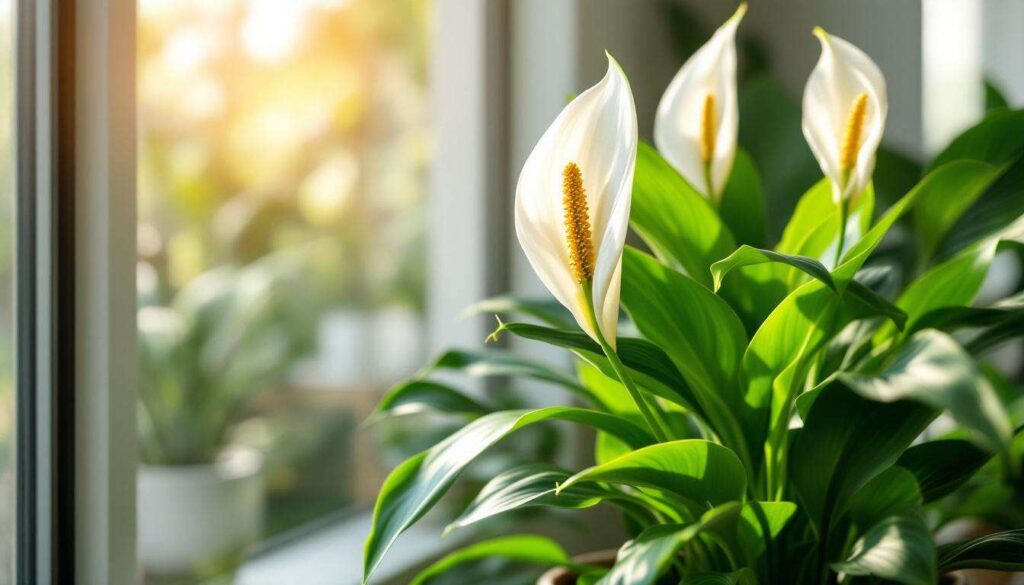
The peace lily, scientifically known as Spathiphyllum, originates from the tropical rainforests of Central and South America, where it thrives beneath the forest canopy in consistently humid conditions. This heritage explains its preference for indirect light and moisture-rich environments. The plant’s distinctive white spathes, often mistaken for flowers, are actually modified leaves that surround the true flower spike, creating an architectural display that can last for weeks.
Why the peace lily suits modern interiors
Several factors make spathiphyllum an ideal choice for contemporary living spaces:
- Tolerates low to medium light conditions, adapting to rooms without direct sunlight
- Actively purifies indoor air by filtering common toxins such as formaldehyde and benzene
- Communicates its watering needs through visible drooping, making care straightforward
- Maintains compact growth suitable for apartments and smaller homes
- Produces blooms throughout the year when conditions are favourable
These attributes have established the peace lily as a staple in offices, healthcare facilities, and homes worldwide, where low-maintenance greenery is essential.
Beyond its practical advantages, understanding the plant’s fundamental requirements sets the foundation for long-term success and multiplication potential.
Understanding the specific needs of the spathiphyllum
Watering requirements and moisture balance
The single most critical gesture for peace lily health involves maintaining consistent soil moisture without waterlogging. The plant’s dramatic wilting serves as a natural indicator, yet repeatedly allowing this stress weakens the root system. The ideal approach involves checking the top inch of soil weekly and watering thoroughly when it feels dry to the touch, ensuring excess water drains completely from the pot.
Light and temperature preferences
Peace lilies flourish in bright, indirect light but demonstrate remarkable adaptability to lower light levels. Direct sunlight scorches the leaves, causing brown patches and bleached foliage. Temperature stability between 18°C and 24°C promotes optimal growth, whilst sudden drops below 15°C can trigger leaf yellowing and stunted development.
Humidity and environmental conditions
As tropical natives, spathiphyllums benefit significantly from elevated humidity levels above 50%. Dry indoor air, particularly during heating seasons, causes brown leaf tips and reduced flowering. Regular misting, pebble trays filled with water, or proximity to other plants creates the microclimate these specimens crave.
| Environmental factor | Optimal range | Warning signs of imbalance |
|---|---|---|
| Soil moisture | Consistently moist, not saturated | Wilting, yellow leaves, root rot |
| Light exposure | Bright indirect to medium shade | Scorched leaves, reduced flowering |
| Humidity | 50-60% | Brown leaf tips, crispy edges |
| Temperature | 18-24°C | Leaf drop, growth cessation |
Recognising these baseline requirements enables gardeners to identify and correct problems before they escalate into serious decline.
How to prevent decline with simple gestures
The critical timing of root inspection
The one timely gesture that prevents decline involves annual root inspection and refreshing the growing medium. Peace lilies become rootbound surprisingly quickly, with congested roots unable to absorb water and nutrients efficiently. Checking roots each spring by gently removing the plant from its container reveals whether white, healthy roots have filled the space or if brown, mushy roots indicate problems.
Proper fertilisation schedule
Spathiphyllums require minimal feeding compared to flowering plants, yet strategic fertilisation supports vigorous growth and abundant blooms. Applying a balanced liquid fertiliser diluted to half strength monthly during spring and summer provides adequate nutrition. Over-fertilisation causes salt accumulation in the soil, manifesting as brown leaf margins and stunted growth.
Pruning and maintenance practices
Regular removal of spent blooms and yellowing leaves channels the plant’s energy into new growth rather than maintaining declining foliage. Clean, sharp scissors prevent tissue damage and disease transmission. This simple maintenance practice keeps specimens looking pristine whilst encouraging continuous flowering cycles.
Avoiding common pitfalls ensures these straightforward care measures deliver maximum benefit.
Common mistakes to avoid with the peace lily
Overwatering and drainage issues
Despite the peace lily’s love for moisture, overwatering remains the primary cause of decline. Constantly saturated soil suffocates roots, promoting fungal diseases and root rot. Symptoms include persistent wilting despite wet soil, black stem bases, and a musty odour from the potting medium. Ensuring containers have adequate drainage holes and using well-draining potting mix prevents these fatal conditions.
Incorrect pot sizing
Transplanting into excessively large containers creates problems as unused soil retains moisture, again leading to root issues. The appropriate approach involves selecting pots only 2-5 cm larger in diameter than the current container, allowing roots to establish gradually in fresh medium.
Water quality concerns
Peace lilies demonstrate sensitivity to chemicals commonly found in tap water:
- Chlorine and chloramine cause leaf tip browning
- Fluoride accumulation results in marginal leaf necrosis
- Hard water deposits create white crusty residue on soil surface
Allowing tap water to stand overnight permits chlorine to dissipate, whilst using filtered or rainwater eliminates these concerns entirely. This attention to water quality significantly improves overall plant health.
Understanding these pitfalls naturally leads to exploring how healthy specimens can be expanded through propagation.
Multiplying your peace lily: techniques and tips
Division: the most reliable method
The division technique represents the most successful approach to multiplying peace lilies, capitalising on the plant’s natural clumping growth habit. When a mature specimen has developed multiple crowns with their own root systems, it can be carefully separated into individual plants. The optimal timing coincides with spring repotting, when plants actively grow and recover quickly from disturbance.
Step-by-step division process
Successful division requires methodical execution:
- Water the plant thoroughly 24 hours before division to reduce transplant shock
- Remove the entire root ball from its container and gently shake away loose soil
- Identify natural separation points where individual crowns have distinct root systems
- Use clean, sharp tools to separate sections, ensuring each division has at least three leaves and healthy roots
- Plant each division in appropriately sized containers with fresh potting mix
- Water thoroughly and place in bright, indirect light with elevated humidity
- Avoid fertilising for four to six weeks whilst roots establish
Post-division care for success
Newly divided plants require attentive monitoring during the establishment period. Some leaf drooping is normal initially, but divisions should perk up within a few days. Maintaining consistent moisture without overwatering and providing stable temperatures ensures the highest success rate. Most divisions produce new growth within four to eight weeks, signalling successful establishment.
| Timeline | Expected development | Care focus |
|---|---|---|
| Week 1-2 | Initial adjustment, possible drooping | Consistent moisture, high humidity |
| Week 3-4 | Root establishment begins | Monitor for recovery signs |
| Week 5-8 | New leaf emergence | Resume normal care routine |
| Month 3+ | Vigorous growth resumes | Begin fertilisation schedule |
Successful multiplication depends not only on technique but also on where these new plants are positioned within the home.
Optimising placement for natural flourishing
Ideal locations within the home
Strategic placement maximises peace lily performance whilst complementing interior design. Bathrooms with windows provide ideal conditions, combining naturally elevated humidity with adequate light. Kitchens offer similar benefits, though plants should be positioned away from direct heat sources and cooking fumes. North-facing rooms in the Northern Hemisphere deliver consistent, gentle light perfect for spathiphyllums.
Seasonal adjustments for year-round health
Peace lily care requires subtle modifications throughout the year. During winter months, reduced light levels and lower humidity from central heating necessitate moving plants closer to windows and increasing misting frequency. Summer conditions may require repositioning away from intense afternoon sun and more frequent watering as growth accelerates.
Creating optimal microclimates
Grouping multiple houseplants together creates a beneficial microclimate through collective transpiration, raising local humidity levels. This clustering strategy particularly benefits peace lilies during dry seasons. Alternatively, placing specimens on wide trays filled with pebbles and water provides continuous humidity without risking waterlogged roots.
The peace lily’s combination of aesthetic appeal and air-purifying capabilities makes it an invaluable addition to indoor spaces. Success with this tropical beauty hinges on understanding its moisture requirements, with the timely gesture of annual root inspection and soil refreshment preventing the decline that affects neglected specimens. Avoiding common pitfalls such as overwatering, poor drainage, and inappropriate pot sizing ensures vigorous growth, whilst division techniques enable gardeners to multiply thriving plants into entire collections. Strategic placement that mimics the plant’s native understory habitat, combined with attention to humidity and consistent care, transforms the peace lily from a simple houseplant into a flourishing indoor treasure that rewards minimal effort with years of elegant foliage and pristine white blooms.