
Birdwatchers and garden enthusiasts have long sought the secret to attracting and retaining these delightful small birds in their outdoor spaces. Chickadees, with their distinctive black caps and cheerful calls, bring life and energy to any garden. The solution to keeping them as permanent residents may be simpler than many imagine: just three carefully selected plants can transform your garden into a chickadee haven. These charming birds require specific resources for feeding, nesting, and shelter, and the right botanical choices provide all three elements seamlessly. Understanding what draws chickadees and sustains their presence allows gardeners to create an environment where these birds not only visit but choose to stay year-round.
The importance of plants for chickadees
Natural food sources throughout the seasons
Plants serve as primary food providers for chickadees, offering sustenance that changes with the seasons. During warmer months, these birds rely heavily on insects and larvae found on leaves, bark, and flowers. Native plants attract the caterpillars and aphids that form a crucial part of the chickadee diet, particularly during breeding season when protein-rich food becomes essential for raising young. As temperatures drop, seeds and berries become vital resources. Plants that produce oil-rich seeds provide the high-calorie nutrition chickadees need to survive cold nights, whilst berries offer quick energy during winter foraging.
Shelter and nesting opportunities
Beyond nutrition, plants create the structural habitat chickadees require for survival. Dense foliage provides protection from predators such as hawks and cats, whilst thick branches offer roosting spots where birds huddle together during harsh weather. Chickadees are cavity nesters, and whilst they often use natural tree hollows or old woodpecker holes, the presence of mature trees and shrubs increases available nesting sites. The following table illustrates the relationship between plant features and chickadee needs:
| Plant Feature | Chickadee Benefit | Seasonal Importance |
|---|---|---|
| Dense branching | Predator protection | Year-round |
| Seed production | Winter nutrition | Autumn/Winter |
| Insect attraction | Protein for breeding | Spring/Summer |
| Mature trunks | Nesting cavities | Spring |
These multiple functions explain why selecting appropriate plants proves far more effective than simply installing bird feeders. Plants create a self-sustaining ecosystem that supports chickadees throughout their entire life cycle, from courtship through nesting to winter survival. This holistic approach addresses all the birds’ needs simultaneously, making your garden an irresistible habitat.
Three essential plants to attract chickadees
Sunflowers: the ultimate seed provider
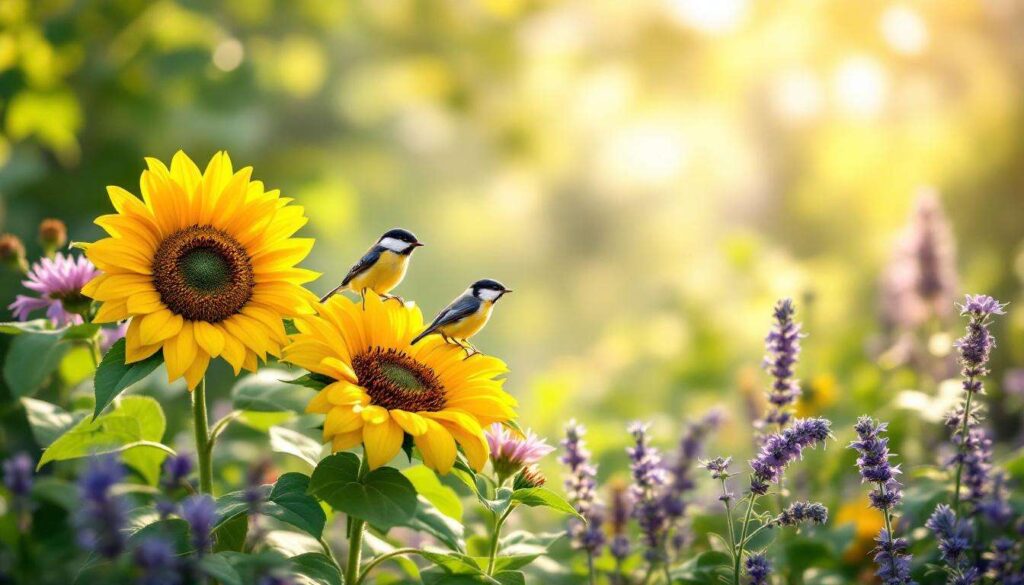
Sunflowers rank amongst the most valuable plants for chickadees, offering abundant oil-rich seeds that these birds adore. Both annual and perennial varieties provide nutrition, though the large-headed annual types produce the greatest seed volume. Chickadees expertly extract seeds from the flower heads, often hanging upside down whilst working. The benefits extend beyond the seeds themselves: sunflower plants attract numerous insects during their growing season, providing additional protein sources. Gardeners can maximise chickadee attraction by:
- Planting multiple sunflower varieties with staggered blooming times
- Leaving spent flower heads standing through winter rather than deadheading
- Choosing open-pollinated varieties that produce larger, more nutritious seeds
- Positioning sunflowers near shelter plants where birds feel secure whilst feeding
Birch trees: insects and nesting sites combined
Native birch trees provide exceptional value for chickadees, combining multiple essential resources in a single plant. The bark harbours countless insects and their larvae, which chickadees meticulously glean throughout the year. As birches mature, they develop cavities and loose bark that create natural nesting opportunities. The catkins produce small seeds that supplement the chickadee diet during late winter when other food sources become scarce. Silver birch and downy birch both excel at attracting these birds, with their distinctive white bark making foraging chickadees easily visible to garden observers.
Coneflowers: dual-season attraction
Coneflowers, particularly the purple coneflower species, offer benefits across multiple seasons. During summer, their blooms attract butterflies and beetles that chickadees hunt, whilst the developing seed heads become increasingly valuable as autumn approaches. Chickadees demonstrate remarkable skill at extracting the small seeds from the cone-shaped centres, often spending extended periods working a single flower head. Unlike sunflowers, coneflowers are perennial and require minimal maintenance once established. Their sturdy stems remain standing through winter storms, ensuring seed availability even during the harshest weather when chickadees need reliable food sources most desperately.
How to choose the right plants for your garden
Assessing your garden conditions
Successful plant selection begins with understanding your specific garden environment. Soil type, sunlight exposure, and moisture levels all influence which plants will thrive and therefore best serve chickadees. Sunflowers require full sun and well-drained soil, making them unsuitable for shaded or waterlogged areas. Birch trees prefer slightly acidic soil and consistent moisture, though they tolerate various conditions once established. Coneflowers demonstrate remarkable adaptability but perform best in sunny locations with moderate drainage. Matching plants to existing conditions eliminates the need for extensive soil amendments and ensures long-term success without constant intervention.
Considering native species first
Whilst the three recommended plants attract chickadees reliably, native varieties always deserve priority consideration. Native plants have evolved alongside local insect populations, supporting the complex food webs that sustain chickadees beyond simple seed provision. Native sunflower species, though smaller than cultivated giants, often produce seeds with superior nutritional profiles. Local birch species support specific caterpillar populations that non-native varieties may not. The principle extends beyond these three plants: incorporating additional native species creates redundancy in the ecosystem, ensuring chickadees find food even if one plant fails due to weather or disease.
Planning for year-round resources
Strategic planting ensures continuous resource availability throughout all seasons. The following considerations help create a garden that supports chickadees regardless of the calendar:
- Include early-blooming plants that attract spring insects when chickadees are feeding nestlings
- Select varieties with different seed maturation times to extend the natural feeding period
- Incorporate evergreen shrubs that provide winter shelter near deciduous food plants
- Leave some garden areas slightly wild to support overwintering insects in leaf litter and dead stems
- Plant in clusters rather than single specimens to create concentrated resource areas
This approach transforms your garden from a seasonal attraction into a permanent chickadee territory, where birds establish year-round residency rather than simply visiting during migration or winter.
Chickadees: behaviour and habits towards the right plants
Foraging patterns and preferences
Chickadees demonstrate distinctive foraging behaviours that reveal their plant preferences. These birds employ a technique called gleaning, carefully inspecting bark crevices, leaf undersides, and flower heads for hidden insects and seeds. They typically work from top to bottom on plants, systematically covering each section before moving to the next. When feeding on seeds, chickadees often extract a single seed, fly to a nearby perch, hold it with their feet, and hammer it open with their bills. This behaviour explains why they prefer plants near protective cover rather than isolated specimens in open areas. Observing these patterns helps gardeners position plants optimally for maximum chickadee activity.
Territorial behaviour around preferred plants
Once chickadees identify reliable food sources, they often establish feeding territories around those plants. Dominant pairs may defend particularly productive sunflower patches or birch trees against other chickadees, though these birds generally show less aggression than many species. During winter, chickadees form small flocks that maintain group territories encompassing multiple resource plants. These flocks develop regular foraging circuits, visiting the same plants in predictable sequences throughout the day. Understanding this territorial behaviour emphasises the importance of planting sufficient quantities: a single sunflower may attract chickadees, but a patch of five or six can support an entire winter flock.
Seasonal behavioural changes
Chickadee interactions with plants shift dramatically across seasons. Spring brings intense insect hunting as breeding pairs gather protein for their nestlings, with birch trees becoming focal points of activity. Summer sees more varied foraging as immature seeds supplement the insect diet. Autumn triggers caching behaviour, where chickadees hide thousands of individual seeds in bark crevices and plant stems, creating scattered food stores for winter retrieval. Their remarkable spatial memory allows them to relocate these caches months later. Winter forces chickadees into survival mode, where they visit known food plants in efficient patterns that minimise energy expenditure whilst maximising calorie intake.
Creating a sustainable environment for chickadees
Avoiding pesticides and chemicals
Chemical-free gardening proves absolutely essential for maintaining healthy chickadee populations. Pesticides eliminate the insects that form the foundation of the chickadee diet, particularly during breeding season when caterpillars become crucial. Even organic pesticides can disrupt the ecosystem balance that sustains these birds. Herbicides damage the native plants that support insect diversity, whilst fertilisers can alter plant chemistry in ways that reduce seed nutritional value. Gardens that embrace natural pest management through plant diversity and beneficial insect encouragement create far superior chickadee habitat than chemically maintained landscapes.
Providing water sources
Whilst plants provide food and shelter, fresh water completes the essential resource triangle for chickadees. These birds require water for drinking and bathing throughout the year, with winter water access becoming particularly challenging when natural sources freeze. A simple birdbath positioned near protective plants encourages regular chickadee visits. The following features enhance water source effectiveness:
- Shallow depth of 2.5 to 5 centimetres allowing safe bathing
- Rough surfaces providing secure footing on slippery materials
- Nearby perches for preening after bathing
- Regular cleaning to prevent disease transmission
- Heated options for winter use in cold climates
Maintaining natural garden areas
Sustainable chickadee habitat requires resisting excessive tidiness that eliminates crucial resources. Dead plant stems harbour overwintering insects that chickadees hunt during lean winter months. Fallen leaves create habitat for ground-dwelling invertebrates whilst protecting plant roots. Standing dead trees, or snags, provide both foraging opportunities and potential nesting cavities. Creating a garden that balances aesthetic appeal with ecological function means designating some areas as wildlife zones where natural processes proceed without human intervention. This approach supports not only chickadees but the entire ecosystem upon which they depend.
The benefits of having chickadees in your garden
Natural pest control services
Chickadees provide exceptional pest management that benefits both ornamental and edible plants. A single chickadee consumes hundreds of insects daily, targeting many species that gardeners consider problematic. Aphids, scale insects, caterpillars, and beetle larvae all feature prominently in the chickadee diet. Unlike chemical controls that eliminate beneficial insects alongside pests, chickadees selectively hunt species that have reached noticeable populations, providing balanced ecosystem regulation. Their meticulous foraging uncovers pests hidden in locations that sprays cannot reach, including bark crevices and curled leaves. Gardens with resident chickadee populations typically experience fewer pest outbreaks and require minimal intervention to maintain plant health.
Educational and observational opportunities
These approachable birds offer unparalleled wildlife watching opportunities for gardeners of all ages. Chickadees tolerate human presence more readily than many species, often feeding within metres of observers. Their acrobatic foraging, distinctive calls, and social interactions provide endless entertainment and learning possibilities. Children particularly benefit from observing chickadee behaviour, developing appreciation for nature and understanding of ecological relationships. The birds’ predictable routines allow photographers to capture remarkable images without specialised equipment or extensive travel. Many birdwatchers report that chickadees serve as gateway species, sparking broader interest in avian diversity and conservation.
Contributing to local biodiversity
Supporting chickadees through appropriate planting creates ripple effects throughout the garden ecosystem. The plants that attract chickadees simultaneously support numerous other species, from butterflies to beneficial beetles. The insects that chickadees do not consume become food for other birds, amphibians, and small mammals. Seeds that fall from plants whilst chickadees feed germinate into new plants, expanding habitat. This interconnected web demonstrates how focusing on a single charismatic species can generate broad conservation benefits. Gardens designed for chickadees become biodiversity hotspots that support ecosystem health far beyond what their size might suggest, contributing meaningfully to landscape-level conservation efforts.
Transforming your garden into a chickadee sanctuary requires surprisingly little: three well-chosen plants providing seeds, insects, and shelter throughout the seasons. Sunflowers, birch trees, and coneflowers form the foundation of an ecosystem that sustains these delightful birds year-round. Success depends on understanding chickadee behaviour, matching plants to garden conditions, and maintaining chemical-free environments where natural processes flourish. The rewards extend far beyond the birds themselves, encompassing natural pest control, educational opportunities, and meaningful contributions to local biodiversity. Gardens designed with chickadees in mind become vibrant ecosystems where these charming birds establish permanent residence, enriching the outdoor experience for everyone who observes them.