
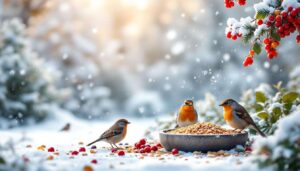

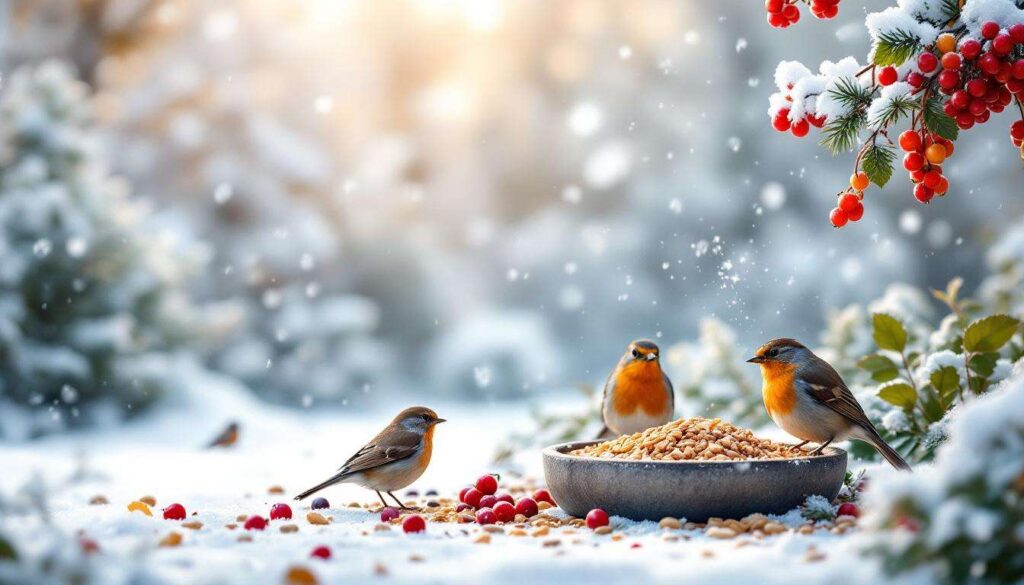
As temperatures plummet and frost blankets the landscape, garden birds face their toughest challenge of the year. Natural food sources become scarce, frozen ground makes foraging difficult, and the energy demands of staying warm increase dramatically. By understanding which foods provide the most nutritional benefit during these harsh months, gardeners can transform their outdoor spaces into vital lifelines for local bird populations. Offering the right combination of high-energy foods not only supports avian survival but also brings the joy of observing diverse species throughout the coldest season.
Creating a sanctuary for birds: the importance of good winter practices
Understanding winter feeding requirements
Birds require significantly more calories during winter months to maintain their body temperature and energy levels. Their natural diet of insects, seeds, and berries becomes increasingly difficult to locate beneath snow and ice. Providing supplementary feeding stations addresses this critical gap, offering reliable nutrition when birds need it most. Research indicates that well-fed birds have higher survival rates and better breeding success in the following spring.
Setting up effective feeding stations
A successful bird sanctuary incorporates multiple feeding methods to accommodate different species and their feeding preferences. Consider implementing the following station types:
- Hanging feeders for acrobatic species like tits and finches
- Ground feeding trays for robins, thrushes, and dunnocks
- Suet holders mounted on trees for woodpeckers and nuthatches
- Seed hoppers with perches for larger birds
Water provision and maintenance
Fresh water remains equally important as food during winter. Birds need water for drinking and maintaining feather condition, yet natural sources often freeze solid. Position shallow dishes in sheltered locations and check them daily, breaking ice or replacing frozen water. Adding a small dark stone to the centre helps absorb sunlight and delays freezing.
With proper infrastructure in place, selecting the right foods becomes the next essential step in supporting winter bird populations.
Black sunflower seeds: a reliable choice
Nutritional advantages of black sunflower seeds
Black sunflower seeds stand out as one of the most valuable foods for winter bird feeding. Unlike striped varieties, black sunflower seeds contain higher oil content and thinner shells, making them easier for small birds to crack open. Their rich fat composition provides concentrated energy that helps birds maintain body heat throughout freezing nights.
| Nutrient | Percentage | Benefit |
|---|---|---|
| Fat | 40-50% | Energy and insulation |
| Protein | 20-25% | Muscle maintenance |
| Fibre | 15-20% | Digestive health |
Species attracted to sunflower seeds
These versatile seeds appeal to a remarkably diverse range of garden visitors. Greenfinches, goldfinches, and chaffinches eagerly consume them, whilst great tits and blue tits demonstrate impressive acrobatic skills whilst feeding. Even larger species such as woodpigeons and collared doves benefit from scattered seeds on ground feeding platforms.
Whilst sunflower seeds provide excellent nutrition, another food source offers even higher caloric density for the coldest days.
Suet: concentrated energy for winter
Why suet matters in cold weather
Suet represents pure concentrated energy in a form that birds can quickly metabolise. This rendered animal fat provides twice the calories of seeds or grains, making it invaluable during severe weather when birds burn through their reserves rapidly. Commercial suet products often incorporate seeds, insects, or fruit to enhance nutritional value and attract varied species.
Presentation methods for suet
Suet can be offered in several effective formats:
- Traditional suet cakes hung in wire cages
- Suet balls suspended from branches or hooks
- Suet pellets mixed with seed in feeders
- Homemade suet logs with added ingredients
Target species and feeding behaviour
Woodpeckers show particular enthusiasm for suet, clinging to feeders with their strong feet whilst pecking away portions. Starlings, nuthatches, and treecreepers also feature amongst regular suet consumers. During particularly harsh conditions, even species that typically prefer seeds will turn to suet for its superior energy content.
Beyond these popular choices, other seed varieties offer unique benefits for specific bird populations.
Safflower seeds: a nutritious alternative
Distinctive properties of safflower
Safflower seeds provide an excellent alternative to sunflower seeds, particularly in gardens troubled by squirrels or larger aggressive birds. Their slightly bitter taste deters many unwanted visitors whilst remaining perfectly palatable to desirable species. The seeds contain comparable nutritional value to sunflower seeds, with high oil content and beneficial proteins.
Selective feeding advantages
Cardinals, grosbeaks, and chickadees readily accept safflower seeds, whilst squirrels, grackles, and blackbirds typically avoid them. This selective appeal allows smaller, less dominant birds better access to feeding stations without competition from larger species. The white seeds also stand out visually against snow, helping birds locate food sources more easily.
Protein-rich foods complement these seed options, providing essential nutrients for muscle maintenance and overall health.
Crushed peanuts: a protein source
Nutritional profile and benefits
Peanuts deliver exceptional protein levels alongside healthy fats, supporting birds’ muscle condition and immune function throughout winter. Crushing or chopping peanuts prevents choking hazards, particularly important during breeding season when adult birds might feed them to young. Always select unsalted, unseasoned peanuts specifically intended for wildlife feeding.
Safe presentation practices
Proper peanut presentation ensures safety and accessibility:
- Use mesh feeders with appropriately sized holes to prevent whole nuts being taken
- Offer crushed peanuts in tube feeders or on platform trays
- Avoid whole peanuts during spring and summer months
- Store peanuts in dry conditions to prevent aflatoxin development
Popular consumers of peanuts
Great spotted woodpeckers, nuthatches, and tits show particular fondness for peanuts, often dominating feeders when these are available. Robins and dunnocks appreciate crushed peanuts scattered on ground feeding areas, whilst jays cache whole peanuts for later consumption.
Expanding beyond traditional bird foods opens additional possibilities for supporting winter bird populations.
Complementary foods: pasta and other options
Cooked pasta and rice
Cooked pasta and rice, prepared without salt or seasoning, provide valuable carbohydrates that supplement birds’ winter diets. These starchy foods appeal particularly to ground-feeding species and offer easily digestible energy. Allow cooked items to cool completely before offering, and remove uneaten portions promptly to prevent spoilage.
Dried fruits and berries
Raisins, currants, and chopped apples attract thrushes, blackbirds, and waxwings seeking natural sugars. Soak dried fruits in warm water before offering to make them easier to consume and provide additional hydration. Fresh apples cut in half and placed on feeding platforms appeal to various species whilst lasting several days in cold weather.
Mealworms and insect alternatives
Dried or live mealworms offer excellent protein sources that replicate birds’ natural insect diet. Robins, wrens, and thrushes eagerly consume these nutritious offerings, particularly during periods when frozen ground prevents natural foraging. Rehydrate dried mealworms in warm water to increase their appeal and nutritional availability.
| Food Type | Primary Nutrient | Best For |
|---|---|---|
| Cooked pasta | Carbohydrates | Ground feeders |
| Dried fruit | Natural sugars | Thrushes, blackbirds |
| Mealworms | Protein | Robins, wrens |
| Grated cheese | Fat and protein | Tits, robins |
Transforming your garden into a winter sanctuary for birds requires commitment to providing diverse, nutritious foods alongside fresh water. Black sunflower seeds, suet products, safflower seeds, crushed peanuts, and complementary options create a comprehensive feeding programme that supports various species throughout the harshest months. Regular maintenance of feeding stations, combined with thoughtful placement and cleanliness, ensures your garden becomes a reliable haven where birds can find sustenance when natural resources fail. The rewards extend beyond conservation, offering daily opportunities to observe fascinating behaviours and appreciate the resilience of these remarkable creatures.