

Supermarket shelves overflow with seemingly fresh produce, yet beneath the glossy skins of many vegetables lies a troubling reality. Conventional farming practices rely heavily on chemical treatments to maximise yields and extend shelf life, leaving consumers unwittingly exposed to potentially harmful residues. The solution, however, may be simpler than anticipated: cultivating your own vegetables at home offers both peace of mind and superior nutritional value.
Impact of pesticides on health
Chemical residues in everyday produce
Research consistently demonstrates that pesticide residues persist on vegetables even after washing and peeling. These synthetic compounds, designed to eliminate pests and diseases, accumulate in human tissues over time. The European Food Safety Authority regularly detects multiple pesticide residues on single produce items, with some vegetables carrying traces of over a dozen different chemicals simultaneously.
Long-term health consequences
Scientific studies link chronic pesticide exposure to numerous health conditions:
- Neurological disorders including Parkinson’s disease and cognitive decline
- Hormonal disruptions affecting reproductive health
- Increased cancer risk, particularly for childhood leukaemia
- Respiratory problems and allergic reactions
- Weakened immune system function
Children face disproportionate risks due to their developing bodies and higher consumption rates relative to body weight. Pregnant women exposed to certain pesticides may experience complications affecting foetal development.
Vulnerable populations at greater risk
Farmworkers and rural communities near agricultural areas experience the highest exposure levels. However, urban consumers remain vulnerable through dietary intake. The cumulative effect of low-dose exposure across multiple food sources presents challenges that regulatory agencies struggle to address adequately.
Understanding these health implications naturally leads to questioning the broader practices within industrial agriculture that make such exposure inevitable.
Industrial vegetables: an unknown danger
Hidden agricultural practices
Modern commercial farming employs practices that prioritise profit over consumer wellbeing. Vegetables destined for supermarkets undergo intensive chemical treatments throughout their growth cycle. Pre-emergent herbicides, systemic insecticides, fungicides, and growth regulators become integral to conventional production methods.
| Chemical Category | Purpose | Persistence Period |
|---|---|---|
| Systemic insecticides | Pest control | 30-90 days |
| Fungicides | Disease prevention | 14-60 days |
| Herbicides | Weed suppression | 60-180 days |
Lack of transparency in supply chains
Consumers receive minimal information about the chemical history of their vegetables. Country-of-origin labelling provides little insight into farming methods employed. Imported produce often originates from regions with less stringent pesticide regulations, yet bears no indication of treatment intensity.
Economic pressures driving chemical dependency
Industrial agriculture operates on razor-thin margins, compelling farmers to maximise yields whilst minimising labour costs. Pesticides offer an economically attractive solution to pest management compared with organic alternatives requiring more intensive monitoring and intervention.
These systemic issues within commercial agriculture make a compelling case for seeking alternatives that place control directly in the hands of consumers.
Why grow your own vegetables ?
Complete control over growing conditions
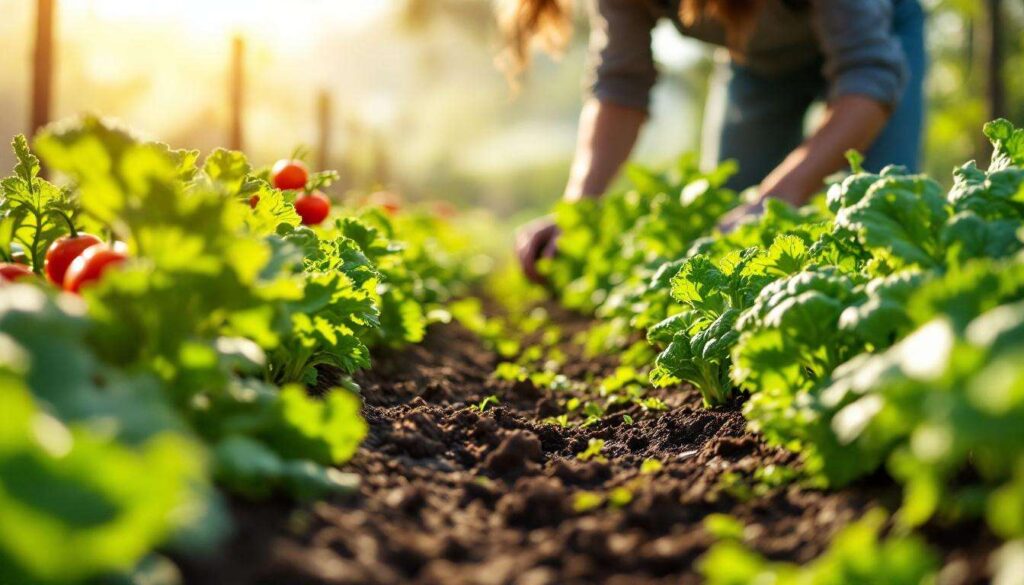
Home cultivation eliminates uncertainty about chemical inputs. Gardeners choose whether to use any treatments whatsoever and can opt for natural pest management strategies including companion planting, beneficial insects, and organic sprays derived from plant extracts.
Superior flavour and nutritional content
Vegetables harvested at peak ripeness from home gardens contain significantly higher nutrient levels than supermarket equivalents picked prematurely for transport. The taste difference proves immediately apparent, with home-grown produce offering intensity and complexity that commercial varieties lack.
Environmental and economic benefits
- Reduced carbon footprint by eliminating transport and packaging
- Substantial savings on grocery bills over the growing season
- Zero plastic waste from packaging materials
- Promotion of biodiversity through organic practices
- Improved soil health in urban environments
Recognising these advantages naturally prompts the question of how to begin this rewarding practice, even for those with limited experience.
Practical guide to starting a home vegetable garden
Assessing your available space
Successful vegetable cultivation requires minimal space. Balconies, patios, windowsills, and small yards all offer viable growing environments. Container gardening enables production in the smallest urban settings, whilst raised beds maximise yield in limited ground space.
Essential equipment and materials
Beginning gardeners require surprisingly few items:
- Containers with drainage holes or raised bed materials
- Quality organic compost and potting soil
- Basic hand tools including trowel, fork, and watering can
- Seeds or seedlings from reputable suppliers
- Natural pest deterrents such as neem oil or garlic spray
Selecting appropriate vegetables for beginners
Certain vegetables prove remarkably forgiving for novice growers. Salad leaves, radishes, courgettes, and tomatoes establish quickly and produce abundantly with minimal intervention. Starting with these confidence-building crops ensures early success before attempting more challenging varieties.
Basic maintenance requirements
Home vegetable gardens demand consistent but modest time investment. Daily watering during dry periods, weekly weeding, and fortnightly feeding with organic fertiliser comprise the essential tasks. Most gardeners find fifteen minutes daily sufficient for maintaining productive plots.
Among the many vegetables suited to home cultivation, one particular variety deserves special attention due to its heavy pesticide burden in commercial production.
Aubergine: the vegetable to avoid at the supermarket
Why aubergines receive intensive chemical treatment
Aubergines suffer from exceptional vulnerability to pest damage, particularly from flea beetles, aphids, and spider mites. Commercial growers respond with frequent pesticide applications throughout the growing season. The vegetable’s thin skin offers minimal barrier to chemical absorption, resulting in higher residue levels than many other crops.
Testing data reveals concerning residues
Annual monitoring programmes consistently rank aubergines amongst the most contaminated vegetables. Samples frequently contain multiple pesticide residues, with some testing positive for substances banned in certain jurisdictions yet permitted elsewhere.
| Study Source | Samples with Residues | Multiple Residues Detected |
|---|---|---|
| UK Government Testing | 78% | 45% |
| EU Monitoring Programme | 82% | 52% |
Growing aubergines at home
Despite their commercial challenges, aubergines thrive in home gardens with straightforward care. These heat-loving plants perform excellently in containers placed in sunny locations. Starting seeds indoors during spring, transplanting after frost risk passes, and providing consistent moisture yields abundant harvests.
Natural pest management for aubergines
Home growers can protect aubergines without chemicals:
- Companion planting with marigolds deters flea beetles
- Regular inspection enables early pest detection and manual removal
- Neem oil spray controls aphids without toxic residues
- Row covers protect young plants during vulnerable stages
- Encouraging ladybirds and lacewings provides biological control
Successfully growing this previously problematic vegetable demonstrates the broader advantages that home cultivation provides beyond merely avoiding pesticides.
The benefits of home gardening
Physical and mental health improvements
Regular gardening activity provides moderate exercise that improves cardiovascular health, flexibility, and strength. The practice reduces stress hormones whilst increasing serotonin production, offering therapeutic benefits comparable to meditation. Exposure to soil microorganisms may strengthen immune function through beneficial bacterial contact.
Educational opportunities for families
Children who participate in vegetable cultivation develop understanding of nutrition, biology, and environmental stewardship. Growing food fosters appreciation for seasonal eating patterns and reduces pickiness about consuming vegetables they have nurtured themselves.
Community building and knowledge sharing
Home gardening connects practitioners through seed swaps, advice exchanges, and shared harvests. Allotment communities and online forums provide invaluable support networks for troubleshooting challenges and celebrating successes.
Food security and resilience
Producing even a portion of household vegetable requirements enhances self-sufficiency and reduces vulnerability to supply chain disruptions. Home gardens provide reliable access to fresh produce regardless of seasonal availability or price fluctuations affecting commercial markets.
The evidence overwhelmingly supports transitioning from supermarket dependency towards home cultivation. Pesticide exposure through conventional vegetables, particularly heavily treated varieties like aubergines, presents avoidable health risks. Growing your own produce offers complete control over inputs whilst delivering superior nutrition, flavour, and environmental benefits. Starting small with container gardens or raised beds requires minimal investment yet yields substantial returns in wellbeing, savings, and satisfaction. The journey from supermarket shopper to home grower transforms not only dietary habits but reconnects individuals with fundamental food production processes that industrial agriculture has obscured.