



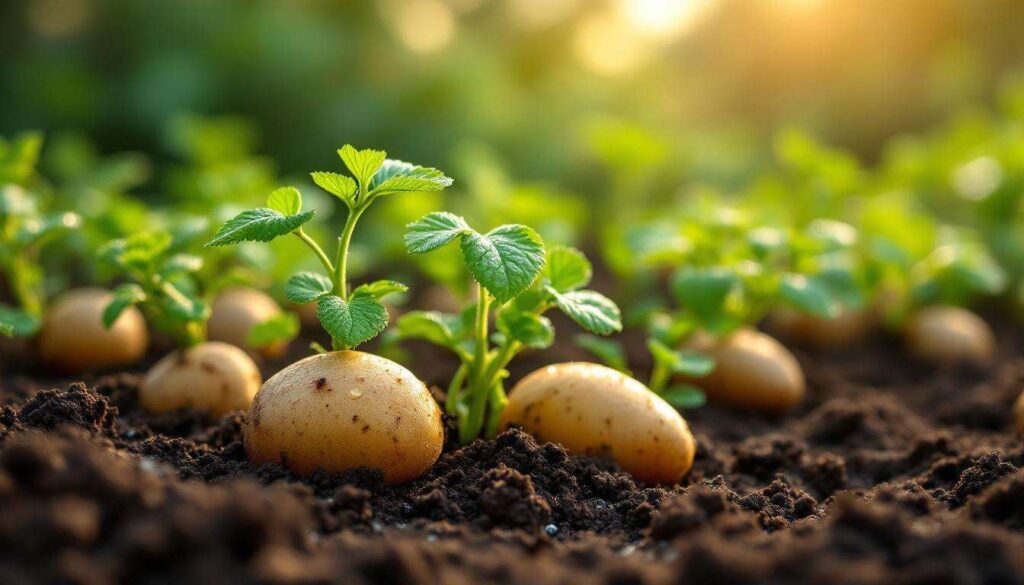
The humble potato remains one of the most rewarding crops for home gardeners and smallholders alike. With proper planning and timely action, growers can transform a modest plot into a productive powerhouse, yielding impressive harvests that sustain households for months. The secret lies not in complex techniques but in understanding the fundamentals: selecting appropriate varieties, preparing soil meticulously, and planting at precisely the right moment. As the growing season approaches, those who act now position themselves for exceptional results, turning patience and preparation into baskets overflowing with tubers.
Understanding the growth cycle of the potato
The stages from planting to harvest
Potatoes progress through distinct developmental phases that determine ultimate yield. The cycle begins with sprouting, when seed potatoes develop shoots from their eyes, typically requiring two to four weeks depending on temperature and light exposure. Following emergence, the vegetative growth phase sees rapid foliage development as the plant establishes its photosynthetic capacity. During this period, which lasts approximately four to six weeks, the plant focuses energy on producing leaves and stems rather than tubers.
The tuber initiation stage marks a critical turning point. Underground stolons begin swelling into recognisable potatoes, a process triggered by specific day length and temperature conditions. This phase demands consistent moisture and nutrition, as any stress can significantly reduce final yields. The final stage, tuber bulking, accounts for the majority of potato growth, with tubers rapidly increasing in size over six to eight weeks. Understanding these phases allows growers to provide targeted care at each critical juncture.
Temperature and daylight requirements
Potatoes thrive within specific environmental parameters that influence both growth rate and tuber quality:
- Soil temperatures between 7°C and 24°C support optimal growth, with tuber formation most vigorous at 15-20°C
- Air temperatures above 29°C inhibit tuber development and may cause heat stress
- Short-day conditions (less than 12 hours of daylight) typically trigger tuber initiation in most varieties
- Cool night temperatures encourage carbohydrate translocation from foliage to developing tubers
These requirements explain why timing matters enormously. Planting too early risks frost damage to emerging shoots, whilst delayed planting may expose developing tubers to excessive summer heat, compromising both size and quality. Matching variety selection to local climate patterns ensures plants experience ideal conditions throughout their development.
With this foundational knowledge established, attention naturally turns to selecting cultivars that capitalise on these growth principles.
Choosing the right varieties for a record harvest
Early, maincrop, and storage varieties
Variety selection fundamentally shapes harvest outcomes. Early varieties mature rapidly, typically within 75-90 days, making them ideal for quick crops and succession planting. Popular choices include ‘Swift’ and ‘Rocket’, which produce tender tubers perfect for immediate consumption but generally unsuitable for long-term storage. These cultivars excel in shorter growing seasons and allow gardeners to harvest before late-season diseases establish themselves.
Maincrop varieties require 100-135 days to maturity but reward patience with substantially larger yields and superior storage characteristics. Cultivars such as ‘Maris Piper’, ‘King Edward’, and ‘Désirée’ produce robust tubers that maintain quality for months when properly stored. These varieties develop deeper root systems and more extensive foliage, translating to greater photosynthetic capacity and ultimately heavier crops.
Matching varieties to soil and climate
| Variety type | Soil preference | Climate suitability | Average yield per plant |
|---|---|---|---|
| First earlies | Light, well-drained | Cool temperate | 450-680g |
| Second earlies | Medium loam | Moderate maritime | 680-900g |
| Maincrop | Deep, fertile loam | Extended growing season | 900-1,350g |
Selecting varieties suited to specific conditions maximises genetic potential. Heavy clay soils favour robust maincrop varieties with strong disease resistance, whilst sandy soils suit earlier types that mature before drought stress becomes problematic. Regional climate patterns should guide choices, with northern growers prioritising cold-tolerant varieties and southern gardeners selecting heat-resistant cultivars.
Once appropriate varieties are identified, creating the ideal growing environment becomes paramount.
Preparing the soil for optimal growth
Soil structure and pH requirements
Potatoes demand loose, friable soil that allows unimpeded tuber expansion and facilitates drainage. Compacted ground restricts growth, producing misshapen potatoes and increasing susceptibility to waterlogging diseases. Ideal soil pH ranges from 5.0 to 6.5, with slightly acidic conditions reducing the risk of common scab whilst maintaining nutrient availability. Testing soil pH before planting enables targeted amendments, with sulphur applications lowering pH and lime raising it when necessary.
Incorporating organic matter transforms soil structure and fertility simultaneously. Well-rotted compost, aged manure, or leaf mould improve water retention in sandy soils whilst enhancing drainage in clay. A target incorporation rate of 5-10 litres per square metre provides substantial benefits without risking nitrogen excess, which promotes foliage growth at the expense of tuber development.
Nutrient requirements and fertilisation strategies
Potatoes are heavy feeders requiring balanced nutrition throughout their growth cycle:
- Nitrogen supports vigorous foliage development but excessive amounts delay maturity and reduce storage quality
- Phosphorus promotes root establishment and early tuber formation, particularly critical in cool soils
- Potassium enhances tuber size, quality, and disease resistance whilst improving storage characteristics
- Magnesium prevents yellowing and supports chlorophyll production in high-yielding varieties
A balanced fertiliser applied at planting (such as 5-10-10 NPK at 100g per square metre) provides baseline nutrition. Supplementary potassium applications during tuber bulking further boost yields, with sulphate of potash offering an organic-approved option. Avoiding fresh manure prevents scab and hollow heart whilst maintaining soil health.
With soil conditions optimised, implementing effective planting techniques ensures strong establishment.
Planting techniques to maximise yield
Chitting and pre-sprouting benefits
Chitting involves exposing seed potatoes to light and warmth for four to six weeks before planting, encouraging sturdy sprout development. This practice advances emergence by up to two weeks, extending the effective growing season and increasing final yields by 15-25%. Place seed potatoes in egg boxes or trays with the rose end (where most eyes cluster) uppermost, maintaining temperatures around 10-15°C in bright, indirect light.
Properly chitted tubers develop short, robust shoots rather than the elongated, fragile sprouts produced in darkness. These vigorous shoots emerge rapidly after planting, establishing canopy cover before weeds compete and maximising the photosynthetic period. For maincrop varieties destined for maximum yields, retaining two to three strong sprouts per tuber concentrates resources into fewer, larger potatoes.
Spacing and depth considerations
Planting geometry directly influences yield potential and tuber size distribution. Standard recommendations include:
- Early varieties: 30cm between tubers, 45cm between rows
- Maincrop varieties: 38cm between tubers, 60-75cm between rows
- Planting depth: 10-15cm, adjusted for soil type and climate
Closer spacing produces more numerous but smaller tubers, whilst wider spacing yields fewer but larger potatoes. For exhibition-quality specimens, increase spacing to 45cm within rows. Planting depth affects emergence timing and frost protection, with deeper planting delaying emergence but providing greater insulation against late frosts. In heavy soils, shallower planting prevents waterlogging, whilst sandy soils benefit from deeper placement to access moisture.
Even with perfect planting, vigilant protection against threats remains essential for realising full potential.
Disease and pest management
Common fungal and bacterial threats
Late blight represents the most devastating potato disease, capable of destroying entire crops within days during humid conditions. Caused by Phytophthora infestans, this pathogen produces brown lesions on foliage and rots tubers in storage. Preventive copper-based sprays applied before symptoms appear offer organic protection, whilst resistant varieties such as ‘Sarpo Mira’ provide genetic defence. Removing infected foliage immediately prevents spore spread to developing tubers.
Common scab creates corky lesions on tuber surfaces, reducing marketability though not affecting edibility. This bacterial condition thrives in alkaline, dry soils, making pH management and consistent irrigation effective preventive measures. Avoiding fresh manure and maintaining soil moisture during tuber initiation significantly reduces incidence.
Pest control strategies
| Pest | Damage type | Control method | Timing |
|---|---|---|---|
| Colorado beetle | Defoliation | Hand removal, neem oil | Throughout season |
| Wireworm | Tuber tunnelling | Trap crops, rotation | Pre-planting |
| Slugs | Surface feeding | Ferric phosphate, barriers | Emergence to harvest |
Integrated pest management combines cultural practices with targeted interventions. Crop rotation prevents soil-dwelling pest populations from building, whilst companion planting with horseradish or tansy repels certain insects. Regular inspection enables early detection, when manual removal remains feasible and chemical interventions unnecessary.
Successfully navigating the growing season culminates in proper harvest and storage procedures.
Harvesting and storing for successful preservation
Determining optimal harvest timing
Harvest timing balances maximum yield against storage requirements and intended use. Early varieties reach maturity when flowers appear, typically 10-12 weeks after planting, and should be consumed within weeks as their thin skins offer minimal storage protection. Maincrop potatoes require foliage to die back naturally, signalling complete tuber maturation and skin set, usually 15-20 weeks after planting.
For extended storage, cutting foliage two weeks before harvest allows skins to thicken, reducing damage during handling and improving keeping quality. This practice also prevents late blight spores on dying foliage from contaminating tubers. Harvesting during dry conditions minimises soil adhesion and reduces disease risk during storage.
Storage conditions for maximum longevity
Proper storage preserves harvest quality for months, requiring specific environmental conditions:
- Temperature: 4-7°C prevents sprouting whilst avoiding cold-induced sugar accumulation
- Humidity: 85-90% relative humidity prevents dehydration without encouraging rot
- Darkness: complete light exclusion prevents greening and solanine production
- Ventilation: air circulation removes ethylene and prevents condensation
Curing tubers at 13-15°C for 10-14 days immediately after harvest heals minor wounds and further toughens skins. Store only undamaged, disease-free tubers in breathable containers such as hessian sacks or slatted crates. Regular inspection removes any rotting specimens before decay spreads, with properly stored maincrop varieties remaining edible for six to eight months.
The journey from seed potato to abundant harvest demands attention to detail at every stage. Understanding growth cycles allows growers to provide targeted care when plants need it most, whilst variety selection matched to local conditions exploits genetic potential. Soil preparation creates the foundation for vigorous growth, and proper planting techniques ensure strong establishment. Vigilant disease and pest management protects developing crops, and careful harvesting followed by optimal storage preserves quality for extended periods. Those who master these interconnected elements transform modest plantings into impressive yields that justify the effort invested.