



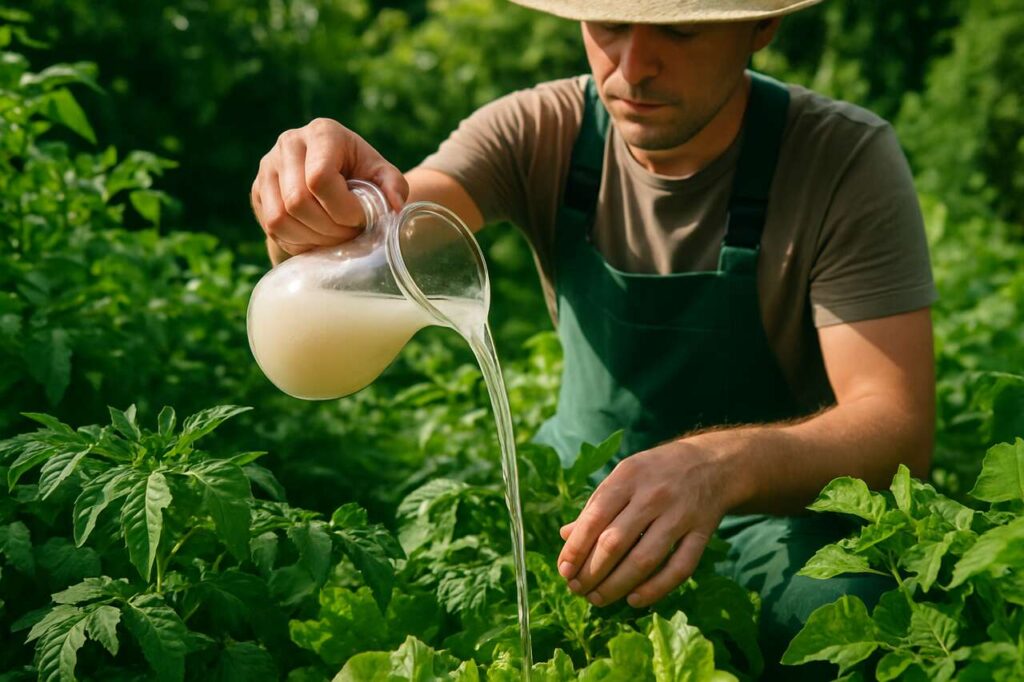
Gardeners across the country are rediscovering an age-old practice that transforms kitchen waste into a powerful plant tonic. Rice water, the milky liquid left behind after rinsing or cooking rice, has gained recognition as a natural fertiliser that enhances plant vitality without the need for chemical additives. This simple yet effective solution offers an eco-conscious approach to nurturing gardens whilst reducing household waste.
What is rice water ?
The composition of this natural liquid
Rice water refers to the starchy liquid obtained when rice grains are washed, soaked, or boiled. This cloudy white substance contains nutrients that leach from the rice during these processes, creating a nutrient-rich solution. The liquid carries carbohydrates, minerals, and vitamins that would otherwise be discarded down the drain.
The concentration of beneficial compounds varies depending on the preparation method used. Boiled rice water typically contains higher levels of starch and nutrients compared to rinse water, as the heat facilitates greater extraction from the grains. Regardless of the method, the resulting liquid provides a gentle yet effective supplement for plant nutrition.
Historical use in gardening
This practice has roots in traditional agriculture, particularly in Asian cultures where rice cultivation has been central to farming for millennia. Farmers observed that plants growing near rice paddies or areas where rice water was disposed of demonstrated enhanced vigour and productivity. This empirical knowledge has been passed down through generations and is now being validated by modern gardening enthusiasts.
Understanding the nature of rice water sets the foundation for exploring its specific advantages for plant health.
The benefits of rice water for plants
Nutritional content and plant nourishment
Rice water delivers a spectrum of essential nutrients that support various aspects of plant development. The primary components include:
- Nitrogen: promotes leafy growth and chlorophyll production
- Phosphorus: strengthens root systems and supports flowering
- Potassium: enhances overall plant resilience and disease resistance
- Magnesium: facilitates photosynthesis and enzyme activation
- B vitamins: support metabolic processes within plant cells
These nutrients work synergistically to create an environment conducive to robust plant development. The gentle nature of rice water means it delivers nutrition without the risk of chemical burn often associated with concentrated fertilisers.
Root development and structural strength
One of the most significant benefits reported by gardeners is the remarkable improvement in root architecture. Plants treated with rice water develop more extensive root networks with increased branching. This enhanced root system enables better water and nutrient uptake, resulting in sturdier stems and more vigorous overall growth.
| Plant characteristic | Improvement observed |
|---|---|
| Root density | 25-40% increase |
| Stem thickness | 15-30% enhancement |
| Leaf production | 20-35% boost |
Soil health enhancement
Beyond direct plant nutrition, rice water contributes to improved soil ecology. The carbohydrates present in the liquid serve as food for beneficial soil microorganisms, including bacteria and fungi that form symbiotic relationships with plant roots. These microbes break down organic matter, fix atmospheric nitrogen, and improve soil structure, creating a thriving underground ecosystem.
The cumulative effects of these benefits make rice water a valuable addition to any gardening regime, leading naturally to questions about proper preparation techniques.
How to prepare rice water for your plants
The rinsing method
The simplest approach involves collecting the water used to rinse rice before cooking. Place the desired amount of rice in a bowl and add water at a ratio of approximately 1:3 rice to water. Swirl the rice gently with your hands for 30 seconds to one minute. The water will become cloudy as starch and nutrients are released. Strain the rice and reserve the liquid for plant use.
This method produces a mild concentration suitable for frequent application and sensitive plants. For enhanced nutrient content, some gardeners perform a second rinse and combine both batches of water.
The boiling technique
For a more concentrated solution, boil rice using excess water. Use approximately four to five times the normal water quantity required for cooking. Once the rice is cooked, drain and collect the starchy water. Allow it to cool completely before application, as hot water can damage plant roots and soil organisms.
Boiled rice water contains higher levels of extracted nutrients and should be diluted with plain water at a ratio of 1:2 before use to prevent over-fertilisation.
The soaking method
An alternative approach involves soaking uncooked rice in water for several hours or overnight. This gentle extraction releases proteins, amino acids, and minerals without the need for heat. Use a ratio of one cup of rice to four cups of water and allow the mixture to sit at room temperature for a minimum of four hours.
Strain the rice and use the resulting liquid within 24 hours to prevent fermentation, which can create unpleasant odours and potentially harmful bacteria. This method produces a balanced nutrient profile particularly beneficial for seedlings and young plants.
Once prepared, proper application techniques ensure maximum benefit whilst avoiding potential pitfalls.
Application methods of rice water
Direct soil watering
The most straightforward application involves using rice water as a replacement for regular watering sessions. Pour the liquid directly onto the soil around the plant base, avoiding contact with foliage when possible. This method ensures nutrients reach the root zone where they can be readily absorbed.
Apply rice water to moist soil rather than dry to facilitate even distribution and prevent localised concentration of nutrients. Water until the soil is thoroughly dampened but not waterlogged.
Foliar feeding
For rapid nutrient uptake, diluted rice water can be applied as a foliar spray. Use a fine mist sprayer to coat leaf surfaces lightly during early morning or evening hours when temperatures are cooler. This technique allows plants to absorb nutrients directly through their leaves, providing a quick nutritional boost during periods of active growth.
Ensure proper dilution for foliar application: mix rice water with plain water at a ratio of 1:4 to prevent residue build-up on leaf surfaces.
Seedling and propagation support
Rice water proves particularly valuable when establishing new plants. Use diluted rice water to moisten seed-starting medium or to water newly transplanted seedlings. The gentle nutrient profile supports root establishment without overwhelming young plants. For cuttings, placing stems in rice water can stimulate root development before transplanting to soil.
Determining the appropriate frequency of application maximises benefits whilst preventing adverse effects.
How often to use rice water on plants
Recommended application frequency
For most plants, applying rice water once or twice per week provides optimal results. This frequency allows plants to utilise the nutrients without risk of accumulation. During periods of active growth in spring and summer, weekly applications support vigorous development. Reduce frequency to fortnightly during dormant periods in autumn and winter.
Monitor plant response and adjust accordingly. Signs of healthy response include:
- Deeper green foliage
- Increased leaf production
- Stronger stem growth
- Enhanced flowering or fruiting
Signs of overuse
Excessive application can lead to nutrient imbalance and soil problems. Watch for these warning indicators:
- Yellowing leaves despite adequate watering
- Stunted growth or wilting
- White crusty deposits on soil surface
- Unpleasant odours from soil
- Presence of fungus gnats or mould
If these symptoms appear, discontinue rice water use and flush the soil with plain water to remove excess nutrients. Resume application at reduced frequency once plants recover.
Certain plant varieties respond particularly well to this natural supplement, making them ideal candidates for rice water treatment.
Plants particularly responsive to rice water
Vegetables and herbs
Edible plants demonstrate exceptional response to rice water applications. Leafy greens such as lettuce, spinach, and kale benefit from the nitrogen content, producing abundant foliage. Tomatoes, peppers, and cucumbers show improved fruiting when regularly treated. Herbs including basil, parsley, and coriander develop more aromatic oils and robust growth.
Flowering plants
Ornamental flowers thrive with rice water supplementation. Roses produce more blooms with enhanced colour intensity. Petunias, marigolds, and geraniums display prolonged flowering periods and increased bud formation. The phosphorus content particularly supports flower development and seed production.
Houseplants
Indoor plants benefit from the gentle nutrition rice water provides. Pothos, spider plants, and peace lilies show accelerated growth and improved leaf lustre. Ferns and calatheas, which prefer consistent moisture and nutrition, respond well to regular applications.
| Plant type | Primary benefit | Recommended frequency |
|---|---|---|
| Leafy vegetables | Enhanced foliage production | Weekly |
| Flowering plants | Increased bloom quantity | Bi-weekly |
| Houseplants | Sustained growth | Fortnightly |
Rice water represents a sustainable gardening practice that harnesses kitchen waste to nourish plants effectively. Its rich nutrient profile supports root development, enhances soil health, and promotes vigorous growth across diverse plant species. By adopting proper preparation and application techniques whilst respecting recommended frequencies, gardeners can integrate this eco-friendly solution into their routine. The practice offers environmental benefits through waste reduction whilst providing plants with gentle, natural nutrition that supports long-term health and productivity.