



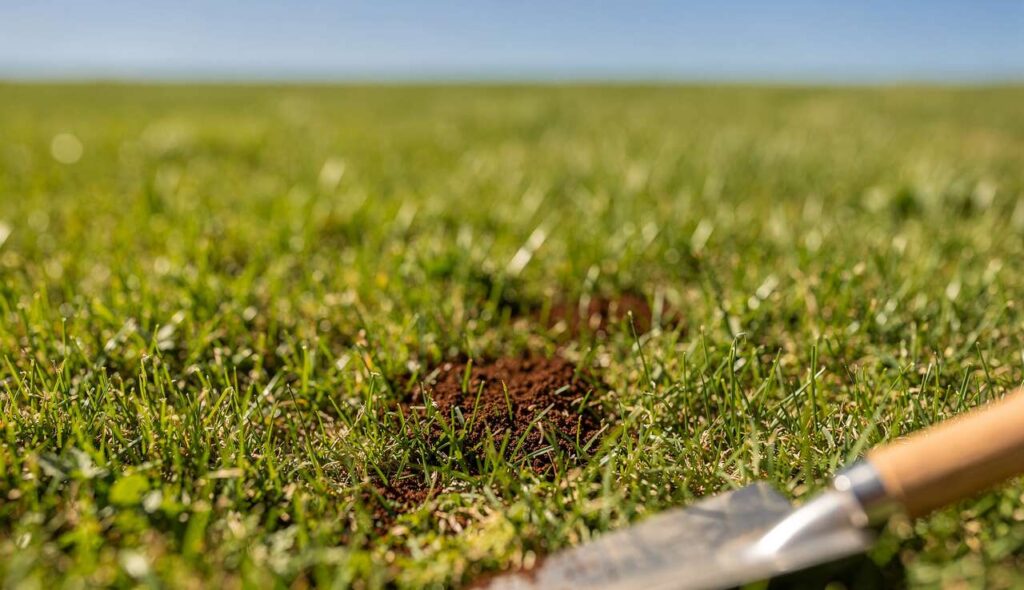
Across gardens throughout the country, coffee grounds have emerged as a popular amendment for lawns, with countless gardeners swearing by their ability to enhance soil quality and promote healthier grass. This seemingly simple practice of sprinkling used coffee grounds across turf has gained traction through social media and gardening forums, yet the science behind its effectiveness remains surprisingly nuanced. Whilst many homeowners report impressive results, others have experienced unexpected damage to their lawns, raising important questions about when and how this household waste product should be applied. Understanding the specific conditions that make coffee grounds beneficial—or potentially harmful—can mean the difference between a thriving lawn and one that struggles to survive.
The benefits of coffee grounds for the garden
Nutrient composition and soil enrichment
Coffee grounds contain approximately 2% nitrogen, making them a valuable organic fertiliser for lawns and garden beds. This nitrogen content, whilst modest compared to synthetic alternatives, provides a slow-release nutrient source that grass can absorb gradually over time. Beyond nitrogen, coffee grounds also contain trace amounts of phosphorus, potassium, magnesium, and copper, all essential micronutrients for healthy plant growth.
| Nutrient | Approximate percentage | Benefit for grass |
|---|---|---|
| Nitrogen | 2.0% | Promotes leaf growth and green colour |
| Phosphorus | 0.3% | Supports root development |
| Potassium | 0.3% | Enhances disease resistance |
Improving soil structure and microbial activity
When incorporated properly, coffee grounds can significantly enhance soil structure by improving aeration and water retention. The organic matter in coffee grounds attracts earthworms, which create channels throughout the soil, allowing oxygen and moisture to penetrate more effectively. Additionally, coffee grounds serve as food for beneficial microorganisms, promoting a thriving soil ecosystem that breaks down organic matter and makes nutrients more accessible to grass roots. This biological activity creates a healthier growing environment that can reduce the need for chemical interventions.
These soil improvements naturally lead to questions about which types of lawns can best benefit from coffee ground applications.
How to recognise soil suited for coffee grounds
Testing soil pH levels
Coffee grounds are slightly acidic, with a pH typically ranging between 6.2 and 6.8 after brewing. Lawns growing in alkaline soils with pH levels above 7.0 can benefit most from coffee ground applications, as the grounds help to gradually lower the pH towards a more neutral range. Before applying coffee grounds, gardeners should conduct a soil test using an inexpensive kit available at garden centres or through professional soil testing services. Grass species such as fine fescues and perennial ryegrass thrive in slightly acidic conditions, making them ideal candidates for coffee ground amendments.
Identifying soil texture and drainage characteristics
Soil composition plays a crucial role in determining whether coffee grounds will prove beneficial. Heavy clay soils with poor drainage can particularly benefit from the addition of coffee grounds, as the organic matter helps to:
- Break up compacted clay particles
- Improve water infiltration rates
- Increase air circulation around root zones
- Reduce surface crusting after rainfall
Conversely, sandy soils with excellent drainage can also benefit, though for different reasons—coffee grounds help such soils retain moisture and nutrients that would otherwise leach away quickly.
Once gardeners have determined their soil is suitable, the next consideration involves proper application methods.
Steps to effectively use coffee grounds on the lawn
Preparing coffee grounds for lawn application
Fresh coffee grounds should be dried thoroughly before spreading on lawns to prevent clumping and mould growth. Spread used grounds on a tray or newspaper in a well-ventilated area for several days until completely dry. For optimal results, mix coffee grounds with other organic materials such as dried leaves or grass clippings at a ratio of approximately one part coffee grounds to three parts other material. This dilution prevents excessive concentration in any one area and ensures more even distribution of nutrients.
Application techniques and timing
Apply coffee grounds during the growing season when grass actively absorbs nutrients, typically from spring through early autumn. The application process requires careful attention to detail:
- Sprinkle a thin layer no more than 6mm thick across the lawn
- Use a rake to distribute grounds evenly, avoiding clumps
- Water the lawn lightly after application to help grounds settle into the thatch layer
- Limit applications to once monthly to prevent nutrient imbalances
- Apply grounds to dry grass rather than wet blades to prevent sticking
For larger lawns, mixing dried coffee grounds with compost and spreading with a broadcast spreader ensures consistent coverage and reduces labour intensity.
Despite following proper procedures, certain errors can undermine the benefits and potentially harm grass.
Mistakes to avoid to protect your lawn
Over-application and concentration issues
The most common mistake involves applying excessive quantities of coffee grounds, which can create an impermeable layer that prevents water and oxygen from reaching grass roots. Thick layers of coffee grounds can also develop mould, particularly in humid conditions, introducing fungal problems to the lawn. Gardeners should never apply more than a light dusting in any single application, regardless of how beneficial coffee grounds may seem. Concentrated piles left in one spot can burn grass through excessive nitrogen release and create dead patches that require reseeding.
Using mouldy or contaminated grounds
Coffee grounds that have developed mould or have been stored in damp conditions should never be applied to lawns. Such grounds can introduce harmful fungi and bacteria that may infect grass plants or create unpleasant odours. Additionally, coffee grounds containing added flavourings, sweeteners, or dairy residues can attract pests and create nutrient imbalances. Only use pure coffee grounds from black coffee, ensuring they are clean and free from contamination.
| Mistake | Consequence | Prevention method |
|---|---|---|
| Applying thick layers | Water repellence, mould growth | Limit to 6mm thickness maximum |
| Using mouldy grounds | Fungal infections in grass | Dry thoroughly before storage |
| Ignoring soil pH | Excessive acidification | Test soil before repeated applications |
Understanding these mistakes helps gardeners recognise situations where coffee grounds may cause more harm than good.
When coffee grounds can harm your grass
Lawns with naturally acidic soil
Grass growing in soil with a pH below 6.0 should not receive coffee ground applications, as further acidification can inhibit nutrient uptake and weaken grass plants. Acid-loving weeds such as moss and sorrel thrive in overly acidic conditions, potentially outcompeting desirable grass species. Signs of excessive soil acidity include poor grass colour, increased moss growth, and reduced response to fertilisation. In such cases, lime applications prove more beneficial than coffee grounds for restoring optimal pH levels.
Grass species sensitive to caffeine residues
Recent research suggests that caffeine residues in coffee grounds may inhibit seed germination and slow the growth of certain grass species. Newly seeded lawns should not receive coffee ground applications until grass has established thoroughly, typically six to eight weeks after germination. Young grass plants with developing root systems prove particularly vulnerable to caffeine’s allelopathic effects, which can suppress growth and reduce establishment success.
Conditions promoting harmful microbial growth
Wet, poorly drained lawns create ideal conditions for coffee grounds to develop anaerobic decomposition, producing foul odours and potentially toxic compounds. In shaded areas with limited air circulation, coffee grounds may harbour fungal pathogens that spread to grass blades, causing disease outbreaks. Lawns experiencing existing fungal problems such as red thread or dollar spot should avoid coffee ground applications until the conditions improve.
For gardeners whose lawns fall into these categories, several effective alternatives exist.
Alternatives to coffee grounds for feeding the grass
Compost and well-rotted manure
Traditional compost provides a balanced nutrient profile without the potential drawbacks of coffee grounds. Well-made compost contains diverse organic matter that supports beneficial microorganisms whilst improving soil structure. Apply a thin layer of screened compost once or twice annually, working it into the thatch layer with a rake. Well-rotted horse or cattle manure offers similar benefits, though it requires thorough composting to eliminate weed seeds and pathogens.
Grass clipping mulch and leaf mould
Leaving grass clippings on the lawn after mowing provides readily available nitrogen without any cost or additional effort. This practice, known as grasscycling, returns approximately 25% of a lawn’s nitrogen requirements back to the soil. Leaf mould created from decomposed autumn leaves offers excellent soil conditioning properties and can be spread thinly across lawns in spring to:
- Improve moisture retention
- Enhance soil structure
- Provide slow-release nutrients
- Support earthworm populations
Organic granular fertilisers
Purpose-formulated organic lawn fertilisers provide predictable nutrient ratios specifically designed for grass requirements. These products typically contain processed plant materials, bone meal, and feather meal, delivering nutrients in forms that grass can readily absorb. Unlike coffee grounds, commercial organic fertilisers undergo quality control testing to ensure consistent composition and appropriate pH levels.
Coffee grounds can serve as a valuable amendment for many lawns when applied judiciously and under appropriate conditions. The key to success lies in understanding soil characteristics, recognising when coffee grounds suit particular situations, and avoiding common application errors. Gardeners with alkaline or clay soils often achieve the best results, whilst those with acidic soils or newly seeded lawns should exercise caution or consider alternatives. By testing soil regularly, applying thin layers infrequently, and monitoring grass response, homeowners can harness the benefits of this sustainable practice whilst avoiding potential pitfalls. Whether choosing coffee grounds or alternative amendments, the ultimate goal remains creating healthy soil that supports vigorous grass growth and reduces reliance on synthetic chemicals.