



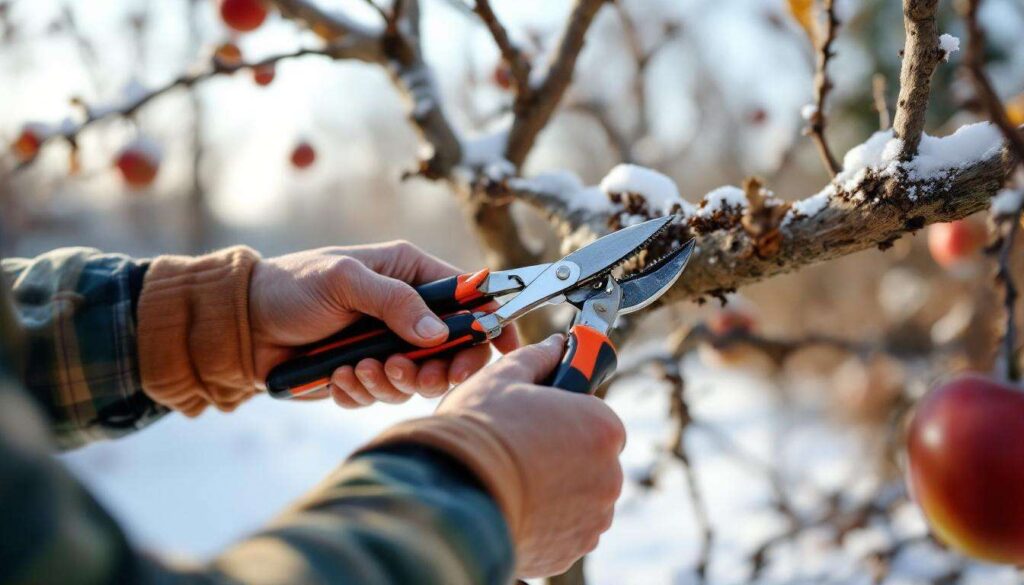
Gardeners often underestimate the importance of winter maintenance, yet this dormant season offers the perfect conditions for strategic tree care. Amongst the many varieties that benefit from cold-weather attention, the quince tree stands out as a prime candidate for winter pruning. This ancient fruit-bearing specimen, valued for its fragrant blossoms and golden fruits, responds exceptionally well to careful trimming during the colder months, setting the foundation for vigorous spring growth and abundant harvests.
Why pruning your trees in winter
The advantages of dormancy
Winter pruning capitalises on the tree’s natural dormant state, when growth has ceased and energy reserves concentrate in the roots. During this period, the absence of leaves provides unobstructed visibility of the tree’s skeletal structure, enabling gardeners to identify problematic branches with remarkable clarity. This visibility proves invaluable when assessing the overall architecture and planning strategic cuts.
The dormant season also minimises stress on the tree. Without active sap flow and leaf production, pruning wounds heal more efficiently, and the risk of excessive bleeding remains low. Furthermore, disease-causing pathogens and pests remain largely inactive during winter, substantially reducing the likelihood of infection through fresh cuts.
Structural assessment opportunities
Winter conditions allow for thorough structural evaluation:
- Clear identification of crossing or rubbing branches
- Detection of weak or damaged limbs that might fail under snow weight
- Assessment of overall balance and symmetry
- Recognition of dead wood that harbours disease
- Evaluation of airflow patterns through the canopy
These observations inform strategic pruning decisions that shape the tree’s future development. Understanding these fundamental advantages sets the stage for identifying which specific trees deserve priority attention during the winter months.
The fruit trees to prioritise in winter
The quince tree: winter’s ideal candidate
The quince tree (Cydonia oblonga) emerges as the standout choice for winter pruning amongst fruit-bearing species. This deciduous tree thrives on annual maintenance, responding to careful trimming with enhanced flowering and fruit production. Unlike stone fruits, which require summer pruning to prevent silver leaf disease, quinces benefit enormously from winter attention.
Quince trees develop a naturally spreading habit that, without intervention, becomes congested and unproductive. Winter pruning addresses this tendency by opening the canopy, improving light penetration, and encouraging the formation of fruiting spurs that will bear the following season’s crop.
Comparative pruning requirements
| Tree Type | Optimal Pruning Season | Primary Reason |
|---|---|---|
| Quince | Winter (January-February) | Promotes fruiting spurs, prevents disease |
| Apple | Winter (December-March) | Shapes structure, encourages productivity |
| Pear | Winter (December-March) | Controls vigour, improves form |
| Plum | Summer (June-August) | Reduces silver leaf risk |
| Cherry | Summer (June-August) | Minimises bacterial canker |
The quince’s unique response to winter pruning, combined with its relative freedom from serious diseases during this period, makes it the priority choice for gardeners seeking maximum spring benefits. With the right tree identified, attention turns to the practical methods that ensure successful results.
Effective winter pruning techniques
Essential preparation and timing
Successful pruning begins with proper preparation. Select a dry, frost-free day in late winter, ideally between mid-January and late February, when the worst weather has passed but before buds begin swelling. Ensure all cutting tools receive thorough cleaning and sharpening before use, as clean cuts heal faster and reduce infection risk.
Required equipment includes:
- Sharp secateurs for branches up to 2cm diameter
- Loppers for branches between 2cm and 4cm
- Pruning saw for larger limbs
- Disinfectant solution for sterilising blades between cuts
- Protective gloves and safety glasses
The four Ds approach
Professional arborists recommend the four Ds method as a systematic approach to pruning. Begin by removing wood that is:
- Dead: lifeless branches that no longer contribute to the tree
- Diseased: infected wood showing cankers, fungal growth, or discolouration
- Damaged: broken, split, or wounded branches from storms or accidents
- Disordered: crossing, rubbing, or inward-growing branches that disrupt structure
Strategic cutting techniques
When making cuts, position secateurs just above an outward-facing bud at approximately a 45-degree angle. This angle prevents water accumulation on the cut surface whilst directing new growth outwards, maintaining an open centre. For larger branches, employ the three-cut method to prevent bark tearing: make an undercut, followed by a top cut further out, then remove the remaining stub cleanly at the branch collar.
Aim to remove no more than one-quarter of the tree’s total growth in a single season, as excessive pruning stimulates vigorous but unproductive water sprout formation. Even with proper techniques, certain pitfalls await the unwary gardener.
Avoid common pruning mistakes
Timing errors and their consequences
Premature pruning during early winter exposes fresh cuts to severe frost damage, whilst delayed pruning after bud break wastes the tree’s accumulated energy reserves. Many gardeners mistakenly prune during mild autumn spells, inadvertently stimulating tender new growth that subsequent frosts will destroy.
Technical errors to prevent
Several technical mistakes undermine pruning effectiveness:
- Flush cuts: removing branches level with the trunk damages the branch collar, impairing natural healing mechanisms
- Stub cuts: leaving excessive length beyond the bud creates die-back and disease entry points
- Tearing wounds: improper technique that leaves ragged edges vulnerable to infection
- Over-thinning: excessive removal that weakens the tree and reduces fruiting potential
- Topping: indiscriminate height reduction that destroys natural form and encourages weak regrowth
Tool-related problems
Blunt or dirty tools cause crushing injuries rather than clean cuts, creating extensive wound surfaces that struggle to heal. Failing to sterilise equipment between trees, or even between cuts on diseased wood, spreads pathogens throughout the garden. Regular maintenance and cleaning prevent these easily avoidable issues.
Understanding these pitfalls ensures that pruning efforts translate into tangible improvements rather than setbacks, leading naturally to consideration of the rewards that await diligent gardeners.
The benefits of a successful winter pruning
Enhanced spring performance
Properly pruned quince trees respond with vigorous spring growth channelled into productive branches rather than wasted on congested, shaded wood. The improved light penetration and air circulation resulting from strategic thinning creates ideal conditions for flower bud formation, directly increasing the potential fruit yield.
Long-term health advantages
Winter pruning delivers cumulative benefits that compound over successive seasons. Trees develop stronger structural frameworks capable of supporting heavy fruit loads without breakage. The removal of diseased wood prevents pathogen establishment, whilst improved airflow reduces humidity levels that favour fungal infections.
| Benefit Category | Immediate Effects | Long-term Impact |
|---|---|---|
| Productivity | More flower buds form | Consistent annual yields increase |
| Health | Disease wood removed | Overall disease resistance improves |
| Structure | Balance restored | Storm damage risk decreases |
| Aesthetics | Shape refined | Garden visual appeal enhanced |
Practical management benefits
Well-maintained trees prove easier to harvest, as fruit develops at accessible heights on well-spaced branches. Pest and disease monitoring becomes simpler when the canopy remains open and visible. These practical advantages save time and effort whilst improving overall garden productivity, preparing the ground for comprehensive spring preparation.
Prepare your garden for a bright spring
Post-pruning care essentials
Following winter pruning, several steps maximise spring success. Collect and dispose of all pruned material, particularly diseased wood, which should be burned or removed from the property rather than composted. Apply a balanced organic fertiliser around the tree’s drip line in early spring to support the burst of new growth that pruning stimulates.
Complementary garden preparations
Winter pruning forms part of a broader spring preparation strategy:
- Mulch around tree bases to retain moisture and suppress weeds
- Check and repair tree stakes and supports before spring winds arrive
- Plan companion planting schemes that support pollination and pest control
- Prepare irrigation systems for the growing season ahead
- Order any replacement trees or additional varieties whilst stock remains available
Monitoring and adjustment
As spring arrives, observe how pruned trees respond to the new season. Note which techniques produced the best results and adjust future approaches accordingly. Successful gardening relies on continuous learning from each season’s outcomes, refining practices to suit specific garden conditions and individual tree characteristics.
Winter pruning of quince trees represents a fundamental investment in garden productivity and health. The dormant season’s unique advantages, combined with the quince’s responsive nature, create optimal conditions for shaping vigorous, fruitful specimens. By mastering proper techniques, avoiding common errors, and integrating pruning into comprehensive spring preparation, gardeners ensure their efforts yield abundant rewards when warmer weather returns.