



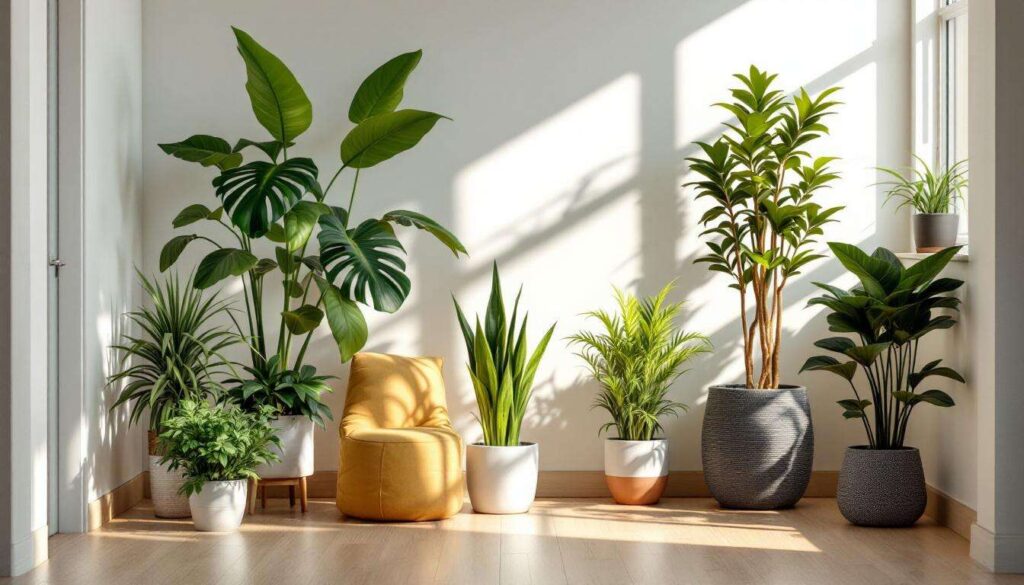
Living in a flat without windows or working in a basement office doesn’t mean you must sacrifice the beauty and benefits of greenery. Many houseplants thrive in low-light conditions, requiring minimal natural sunlight to flourish. Before investing in artificial alternatives, understanding which species genuinely survive in dimly lit spaces can transform your windowless environment into a vibrant, living sanctuary whilst improving air quality and your wellbeing.
The benefits of houseplants without natural light
Air purification in enclosed spaces
Windowless rooms often suffer from poor air circulation and accumulation of indoor pollutants. Low-light houseplants actively filter toxins such as formaldehyde, benzene, and carbon monoxide from the atmosphere. Species like snake plants and pothos continue their purification processes even in minimal lighting conditions, making them essential allies for basement offices and interior bathrooms. These plants release oxygen during their metabolic processes, creating a fresher environment in spaces that might otherwise feel stale or oppressive.
Psychological and aesthetic advantages
Research consistently demonstrates that exposure to living plants reduces stress levels and enhances productivity. In windowless environments, where natural elements are absent, houseplants provide:
- A visual connection to nature that combats feelings of confinement
- Improved concentration and mental clarity in workspaces
- Enhanced mood through the presence of living organisms
- Acoustic benefits as foliage absorbs ambient noise
The textural variety and organic forms of real plants create visual interest that fake alternatives struggle to replicate authentically. This biophilic connection remains important even when natural light is unavailable.
Understanding these advantages sets the foundation for selecting appropriate species that will genuinely thrive rather than merely survive in your specific conditions.
The best plant choices for windowless rooms
Top performers in extreme low-light conditions
Snake plants (Sansevieria trifasciata) top the list for windowless spaces, tolerating neglect and thriving under fluorescent lighting alone. Their upright, architectural leaves require watering only every two to three weeks. ZZ plants (Zamioculcas zamiifolia) follow closely, with glossy foliage that reflects available light whilst their rhizomes store water for extended periods.
Cast iron plants (Aspidistra elatior) earned their name through remarkable resilience, surviving in Victorian hallways with gas lighting. Pothos varieties, particularly the darker-leaved cultivars, adapt brilliantly to artificial light sources and cascade beautifully from shelves or hanging planters.
Comparative performance of low-light species
| Plant species | Minimum light requirement | Watering frequency | Growth rate |
|---|---|---|---|
| Snake plant | 50-100 foot-candles | Every 2-3 weeks | Slow |
| ZZ plant | 50-75 foot-candles | Every 2-4 weeks | Very slow |
| Pothos | 50-150 foot-candles | Weekly | Moderate |
| Cast iron plant | 25-100 foot-candles | Every 10 days | Slow |
| Peace lily | 75-200 foot-candles | Weekly | Moderate |
| Philodendron | 75-150 foot-candles | Weekly | Fast |
| Dracaena | 75-150 foot-candles | Every 10 days | Slow |
Specialist options for specific conditions
Peace lilies communicate their watering needs through dramatic wilting, making them ideal for beginners who worry about overwatering. Chinese evergreens (Aglaonema) offer stunning variegated patterns that brighten dark corners whilst tolerating inconsistent care. Philodendrons, particularly heartleaf varieties, grow rapidly even under desk lamps, providing quick gratification for impatient gardeners.
Selecting appropriate species forms only half the equation; proper maintenance ensures these plants remain healthy and attractive throughout their lives in your windowless space.
Tips for maintaining your low-light houseplants
Watering strategies for minimal light conditions
Plants in low-light environments photosynthesize less actively, consequently requiring significantly less water than their sun-loving counterparts. Overwatering causes more deaths in windowless spaces than any other factor. Check soil moisture by inserting your finger two inches deep; water only when the soil feels dry at this depth. Consider using terracotta pots that wick moisture away from roots, reducing the risk of rot.
During winter months, reduce watering frequency further as plant metabolism slows. Keep a simple schedule noting when you last watered each plant, adjusting based on seasonal changes and individual species requirements.
Supplemental lighting solutions
Whilst the featured plants survive without windows, supplemental artificial lighting enhances their vigour. LED grow lights consume minimal electricity whilst providing appropriate wavelengths for photosynthesis. Position lights 12-24 inches above foliage for 10-12 hours daily to simulate natural day cycles.
Standard fluorescent tubes work adequately for most low-light species. Place plants within three feet of fluorescent fixtures to ensure sufficient light intensity. Even regular LED bulbs in desk lamps contribute meaningfully to plant health when positioned nearby.
Essential care practices
- Rotate plants quarterly to ensure even growth on all sides
- Dust leaves monthly to maximise light absorption through clean surfaces
- Use diluted fertiliser at half-strength every two months during growing season
- Maintain temperatures between 15-24°C for optimal health
- Ensure adequate drainage holes in all containers
- Repot only when roots emerge from drainage holes
These maintenance fundamentals apply universally, yet understanding how real plants differ from artificial alternatives helps clarify why proper care proves worthwhile.
Differences between real houseplants and fake plants
Functional disparities
Real plants actively improve your environment through air purification, humidity regulation, and oxygen production. Artificial plants offer none of these benefits, functioning purely as static decoration. Living plants respond to their environment, growing towards available light and adjusting their metabolism to conditions, creating a dynamic presence that fake foliage cannot replicate.
The sensory experience differs markedly: real plants provide subtle fragrance, varied textures, and the satisfaction of nurturing living organisms. Artificial alternatives accumulate dust without the self-cleaning properties of living leaves and degrade under UV exposure from artificial lighting.
Economic and environmental considerations
| Factor | Real plants | Fake plants |
|---|---|---|
| Initial cost | £8-£30 | £15-£80 |
| Lifespan | Years to decades | 2-5 years before fading |
| Maintenance cost | Minimal (water, occasional soil) | None |
| Environmental impact | Positive (carbon absorption) | Negative (plastic waste) |
| Replacement frequency | Rare with proper care | Every few years |
Authentic plants propagate easily, allowing you to expand your collection at no cost or share cuttings with friends. Quality artificial plants require significant initial investment yet deteriorate irreversibly, ultimately destined for landfill as non-biodegradable waste.
Armed with knowledge about plant selection, maintenance, and the advantages of living specimens, you can now implement practical strategies for introducing greenery into your windowless environment.
How to add greenery to your windowless space
Strategic placement techniques
Position plants near existing light sources such as desk lamps, overhead fixtures, or doorways where ambient light enters. Vertical arrangements maximise limited floor space in windowless rooms: install floating shelves at varying heights or use tall plant stands that draw the eye upward, creating visual interest in otherwise bland spaces.
Group plants with similar light and water requirements together for easier maintenance. This clustering also creates microclimates with increased humidity beneficial to tropical species. Place larger specimens like dracaenas in corners where their architectural forms anchor the space, whilst trailing pothos softens hard edges along shelving units.
Complementary design elements
Enhance plant displays with reflective surfaces that bounce available light towards foliage. Mirrors positioned opposite light sources effectively double illumination whilst creating the illusion of expanded space. Choose containers that complement your décor: metallic finishes reflect light, whilst matte ceramics provide sophisticated contrast against glossy leaves.
Consider these styling approaches:
- Create a living wall using mounted planters for dramatic vertical impact
- Establish a dedicated plant shelf with integrated LED strips
- Use decorative cachepots that hide functional plastic nursery pots
- Incorporate plants into existing furniture arrangements rather than isolating them
- Mix plant heights and textures for visual diversity
Gradual expansion strategy
Begin with two or three resilient species to build confidence and establish care routines. Snake plants and pothos offer forgiving starting points for nervous beginners. As you become comfortable with their requirements, gradually introduce more demanding species or expand your collection of proven performers.
Monitor each plant’s response to its specific location, moving specimens that show signs of stress to slightly brighter positions or adjusting watering schedules accordingly. This iterative approach helps you understand the unique microenvironments within your windowless space.
Transforming a windowless room with living plants requires minimal investment yet delivers substantial returns in aesthetic appeal, air quality, and personal wellbeing. The seven species highlighted—snake plants, ZZ plants, pothos, cast iron plants, peace lilies, philodendrons, and dracaenas—genuinely thrive in low-light conditions when provided with appropriate care. Unlike artificial alternatives that merely occupy space, these resilient plants actively contribute to healthier indoor environments whilst offering the psychological benefits of nurturing living organisms. With strategic placement, supplemental lighting, and consistent maintenance practices, even the darkest interior spaces can support thriving greenery that far surpasses what fake plants could ever achieve.