
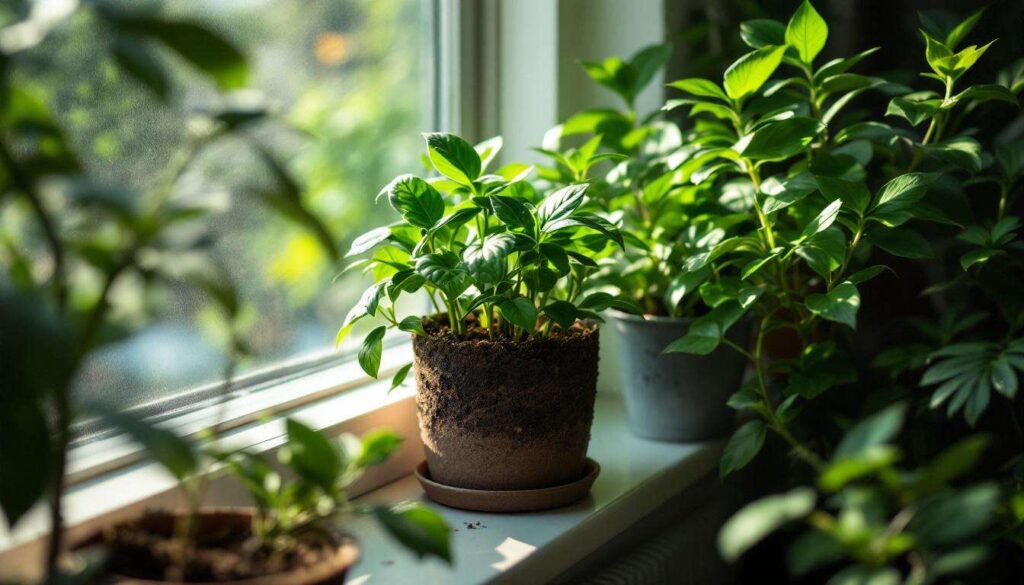
Many plant enthusiasts struggle to keep their houseplants healthy despite their best intentions. The most common mistake that prevents indoor plants from thriving is overwatering, which leads to root rot and ultimately plant death. Understanding the specific needs of each plant species is crucial for creating an environment where they can flourish. From lighting conditions to soil composition, every aspect of plant care plays a vital role in maintaining vibrant, healthy foliage. By identifying and correcting common errors, even novice gardeners can transform their homes into thriving indoor gardens.
Common houseplant care mistakes
Overwatering remains the primary killer
The single most destructive mistake plant owners make is providing too much water. Many people assume that more water equals healthier plants, but this approach suffocates roots and creates an environment for fungal diseases. Overwatered plants display yellowing leaves, mushy stems, and a persistent damp smell from the soil. The roots become brown and slimy rather than firm and white, indicating irreversible damage in severe cases.
Neglecting drainage requirements
Proper drainage is essential for plant survival, yet many containers lack adequate holes or drainage layers. Without proper water escape routes, excess moisture accumulates at the bottom of pots, creating anaerobic conditions that kill roots. Key drainage considerations include:
- Ensuring pots have sufficient drainage holes
- Using saucers to catch excess water but emptying them promptly
- Adding a layer of pebbles or broken pottery at the pot base
- Avoiding decorative containers without drainage unless used as outer pots
Incorrect fertilisation practices
Both over-fertilisation and under-fertilisation harm houseplants. Too much fertiliser causes salt build-up in the soil, burning roots and creating brown leaf tips. Conversely, nutrient-deficient plants show stunted growth and pale foliage. Following manufacturer instructions and adjusting feeding schedules according to seasonal growth patterns ensures balanced nutrition.
Beyond watering issues, understanding the specific hydration requirements of different plant species forms the foundation of successful indoor gardening.
Understanding your plants’ water needs
Species-specific watering schedules
Different plants have vastly different water requirements based on their natural habitats. Succulents and cacti originate from arid environments and require infrequent watering, whilst tropical plants like ferns need consistently moist soil. Researching each plant’s native environment provides valuable insights into their watering preferences.
| Plant Type | Watering Frequency | Soil Moisture Level |
|---|---|---|
| Succulents | Every 2-3 weeks | Completely dry between waterings |
| Tropical plants | Weekly | Consistently moist, not soggy |
| Ferns | 2-3 times weekly | Always slightly damp |
| Snake plants | Every 2-4 weeks | Dry between waterings |
Testing soil moisture accurately
Rather than following rigid schedules, checking soil moisture before watering prevents both over and under-watering. Insert a finger approximately two inches into the soil to assess moisture levels. Alternatively, moisture metres provide precise readings for those seeking more accuracy. The weight method also works well: lift the pot to gauge whether it feels light and dry or heavy and saturated.
Seasonal watering adjustments
Plants require less water during winter dormancy when growth slows significantly. Reducing watering frequency during colder months prevents root rot whilst allowing plants their natural rest period. Conversely, active growing seasons in spring and summer demand more frequent hydration to support new growth.
Whilst water sustains life, light provides the energy that drives plant growth and development.
The importance of light for indoor plants
Matching plants to available light conditions
Light requirements vary dramatically among houseplant species. Insufficient light causes leggy growth, pale leaves, and eventual decline, whilst excessive direct sunlight scorches foliage. Understanding the light levels in different rooms helps match plants to appropriate locations:
- South-facing windows provide bright, direct light suitable for succulents and cacti
- East and west-facing windows offer moderate, indirect light perfect for most houseplants
- North-facing windows deliver low light conditions ideal for shade-tolerant species
- Interior rooms require artificial grow lights for successful plant cultivation
Recognising light deficiency symptoms
Plants deprived of adequate light exhibit distinctive warning signs. Stems stretch towards light sources, creating elongated, weak growth. Leaves become smaller and paler, losing their vibrant colouration. Flowering plants fail to produce blooms, and variegated varieties lose their distinctive patterns. Rotating plants regularly ensures even light exposure on all sides.
Supplementing natural light
Artificial lighting extends growing possibilities in darker spaces. LED grow lights provide energy-efficient solutions that emit appropriate light spectrums for photosynthesis. Position lights 6-12 inches above plants and maintain consistent daily durations of 12-16 hours to simulate natural daylight cycles.
Just as light fuels growth, the growing medium provides essential support and nutrients that determine plant health.
Choosing the right type of soil for your plants
Understanding soil composition
Generic potting soil fails to meet the specific needs of many houseplants. Soil composition affects drainage, aeration, and nutrient retention. Quality potting mixes contain combinations of peat moss or coco coir, perlite or vermiculite, and compost or bark. Each component serves distinct purposes in creating optimal growing conditions.
Specialised soil requirements
Different plant families require tailored soil formulations. Cacti and succulents thrive in fast-draining, gritty mixes that prevent water retention. Orchids need bark-based media that allows air circulation around roots. African violets prefer slightly acidic soil with excellent moisture retention. Using inappropriate soil types undermines even the most diligent care routines.
| Plant Category | Soil Type | Key Characteristics |
|---|---|---|
| Cacti and succulents | Sandy, gritty mix | Fast drainage, low organic content |
| Tropical foliage | Standard potting mix | Moisture-retentive, nutrient-rich |
| Orchids | Bark-based medium | Excellent aeration, minimal water retention |
| Ferns | Peat-based mix | High moisture retention, acidic pH |
When to replace potting soil
Soil degrades over time, becoming compacted and depleted of nutrients. Repotting every 1-2 years with fresh soil rejuvenates plants and prevents issues associated with exhausted growing media. Signs that soil needs replacement include water pooling on the surface, salt crusts forming, and roots circling the pot perimeter.
Beyond soil composition, the moisture content of the surrounding air significantly impacts plant vitality.
Role of humidity in plant well-being
Why humidity matters for houseplants
Many popular houseplants originate from humid tropical environments where moisture saturates the air. Modern homes, particularly during heating seasons, maintain humidity levels far below what these plants require. Low humidity causes brown leaf tips, crispy edges, and increased susceptibility to pest infestations such as spider mites.
Increasing humidity effectively
Several methods raise humidity levels around plants without requiring expensive equipment. Grouping plants together creates a microclimate where transpiration from multiple plants increases local moisture. Other effective strategies include:
- Placing pots on trays filled with pebbles and water
- Using room humidifiers near plant collections
- Misting foliage regularly, though this provides only temporary relief
- Growing plants in naturally humid rooms like bathrooms and kitchens
Monitoring humidity levels
Hygrometers provide accurate readings of ambient humidity, allowing gardeners to assess whether conditions meet plant requirements. Most tropical houseplants thrive with humidity levels between 40-60 percent, whilst ferns and orchids prefer 60-80 percent. Desert-adapted plants tolerate typical household humidity of 30-40 percent without difficulty.
When environmental conditions fail to meet plant needs, specific symptoms emerge that signal distress.
Signs of plant stress
Leaf discolouration and damage
Changes in leaf appearance provide early warning signs of problems. Yellow leaves often indicate overwatering or nutrient deficiencies, whilst brown, crispy edges suggest low humidity or inconsistent watering. Black spots signal fungal infections, and pale, washed-out foliage indicates insufficient light. Addressing these symptoms promptly prevents irreversible damage.
Growth abnormalities
Stunted or distorted growth reveals underlying issues with care conditions. Leggy, stretched stems indicate inadequate light, whilst failure to produce new growth suggests nutrient depletion or root problems. Dropping leaves, particularly lower foliage, can result from natural ageing but may also indicate stress from environmental changes or pest infestations.
Pest infestations as stress indicators
Weakened plants become vulnerable to pests that rarely affect healthy specimens. Spider mites, mealybugs, and scale insects exploit stressed plants. Regular inspection of leaf undersides and stems enables early detection. Isolating affected plants prevents infestations from spreading throughout collections.
Successful houseplant cultivation requires attention to multiple interconnected factors. By avoiding common mistakes such as overwatering, providing appropriate light levels, selecting suitable soil types, maintaining adequate humidity, and recognising stress signals early, plant enthusiasts create environments where indoor gardens flourish. Each plant species presents unique requirements, making research and observation essential components of effective care. With patience and proper attention to these fundamental aspects, even challenging plants reward their caretakers with vigorous growth and lasting beauty.