

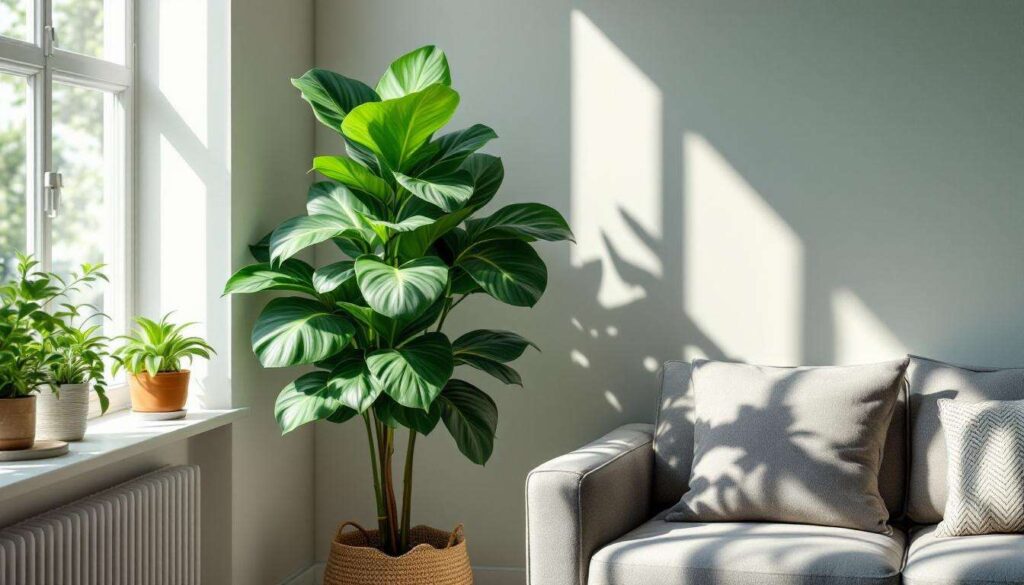
Houseplants have long been cherished for their aesthetic appeal, but few combine beauty with remarkable functionality. Among the most resilient indoor greenery, one particular species stands out for its ability to purify the air whilst requiring minimal care. This hardy plant not only survives in challenging conditions but actively works to improve your living environment by trapping dust particles and releasing oxygen. For those seeking a low-maintenance solution to enhance indoor air quality, this botanical marvel offers an elegant answer to modern living concerns.
What is an indestructible plant ?
Defining plant resilience
An indestructible plant refers to species that demonstrate exceptional tolerance to neglect, irregular watering, and varying light conditions. These botanical survivors have evolved mechanisms to withstand environmental stress, making them ideal for busy households or novice gardeners. The snake plant, scientifically known as Sansevieria trifasciata, epitomises this category with its remarkable ability to thrive where other plants would perish.
Characteristics of hardy houseplants
Plants earning the indestructible label typically share several key features:
- Thick, succulent leaves that store water efficiently
- Tolerance to low light environments
- Resistance to common pests and diseases
- Ability to survive extended periods without watering
- Adaptability to temperature fluctuations
The snake plant possesses all these attributes, with its sword-shaped leaves acting as natural reservoirs. Its waxy coating reduces moisture loss whilst simultaneously attracting and trapping airborne particles. Understanding these qualities helps explain why this particular species has become a staple in homes and offices worldwide.
The benefits of the plant on indoor air
Scientific evidence for air purification
Research conducted by environmental scientists has demonstrated that snake plants possess remarkable air-cleaning properties. Through a process called phytoremediation, these plants absorb harmful toxins through their leaves and roots, converting them into harmless substances. A study measuring pollutant reduction showed significant decreases in common indoor contaminants.
| Pollutant | Reduction Rate | Time Frame |
|---|---|---|
| Formaldehyde | 52% | 24 hours |
| Benzene | 47% | 24 hours |
| Trichloroethylene | 13% | 24 hours |
Oxygen production during night-time
Unlike most plants that release carbon dioxide at night, the snake plant performs Crassulacean Acid Metabolism, a unique photosynthetic process. This means it continues producing oxygen even after sunset, making it particularly beneficial for bedrooms. The continuous oxygen release improves sleep quality and maintains fresher air throughout nocturnal hours.
Humidity regulation properties
Beyond removing toxins, snake plants release moisture into the air through transpiration. This natural humidification helps combat the drying effects of central heating and air conditioning systems, creating a more comfortable indoor atmosphere. The moisture release also helps reduce respiratory irritation and dry skin conditions. These multiple air-quality benefits work in tandem with the plant’s dust-collecting abilities.
How this plant eliminates dust
The mechanism of dust capture
The snake plant’s broad, upright leaves function as natural dust collectors through electrostatic attraction. The leaf surface carries a slight electrical charge that draws microscopic particles from the surrounding air. As dust settles on the waxy cuticle, it adheres firmly rather than simply resting temporarily.
Comparison with other dust-reduction methods
Traditional dust management relies on mechanical filtration or regular cleaning, both requiring energy consumption and ongoing effort. The snake plant offers a passive, continuous solution that operates without electricity or intervention. Whilst air purifiers process specific volumes per hour, plants work constantly across their entire surface area.
- Air purifiers: require filter replacements and electricity
- Regular dusting: labour-intensive and temporary
- Snake plants: self-sustaining and perpetual
Maximising dust collection efficiency
To optimise the dust-trapping capabilities, positioning multiple plants throughout living spaces creates overlapping zones of purification. The collective leaf surface area increases exponentially with each additional plant. Gentle wiping of leaves monthly removes accumulated dust, allowing the surface to continue its filtering function effectively. This maintenance requirement remains minimal compared to alternative dust-control strategies, and proper placement further enhances the plant’s overall effectiveness.
Maintenance guide for a hardy plant
Watering requirements and schedule
Despite its resilience, the snake plant benefits from appropriate watering practices. Allow the soil to dry completely between waterings, typically requiring moisture only once every two to three weeks during warmer months. In winter, reduce frequency to monthly intervals. Overwatering poses the greatest threat to this otherwise indestructible species, potentially causing root rot.
Soil and potting considerations
Well-draining soil mixtures prevent water accumulation around roots. A combination of standard potting compost with added perlite or sand creates ideal conditions. Choose containers with adequate drainage holes to allow excess water to escape. Repotting becomes necessary only when roots emerge from drainage holes, typically every three to five years.
Light and temperature preferences
Whilst tolerant of low light, snake plants thrive in bright, indirect illumination. They withstand temperatures ranging from 10°C to 32°C, adapting readily to typical household conditions. Avoid placing directly beside heating vents or in cold draughts, as extreme fluctuations may stress the plant unnecessarily. These straightforward care requirements make it simple to maintain healthy growth, and strategic positioning amplifies the plant’s beneficial properties.
Where to place this plant in your home
Bedroom placement benefits
The night-time oxygen production makes bedrooms ideal locations for snake plants. Position one or two medium-sized specimens on bedside tables or dressers to maximise air quality improvements during sleep. The plants’ tolerance for lower light levels suits rooms with limited natural illumination.
Living areas and communal spaces
High-traffic zones accumulate dust more rapidly, making them prime candidates for snake plant placement. Consider these strategic locations:
- Near entryways where outdoor pollutants enter
- Beside sofas and seating areas at breathing height
- On shelving units to utilise vertical space
- In corners that typically gather dust
Bathroom and kitchen applications
The humidity tolerance of snake plants makes them suitable for bathrooms, where they help regulate moisture levels whilst filtering airborne particles. In kitchens, they absorb cooking-related pollutants and odours. Ensure adequate air circulation in these spaces to prevent excessive moisture accumulation. Thoughtful placement throughout various rooms creates a comprehensive network of natural air purification, which connects directly to broader environmental considerations.
The ecological advantages of this plant
Reducing reliance on mechanical systems
By incorporating snake plants into home environments, households can decrease dependence on electronic air purifiers and their associated energy consumption. This reduction translates to lower electricity bills and diminished carbon footprints. Each plant represents a sustainable alternative to manufactured solutions requiring ongoing resource inputs.
Minimal environmental footprint
Snake plants require no pesticides, minimal water, and infrequent fertilisation. Their longevity means fewer replacements compared to short-lived decorative items. The plants propagate easily through division, allowing households to expand their collection without purchasing additional specimens. This self-sustaining nature embodies principles of sustainable living.
Contributing to urban biodiversity
Indoor plants create micro-ecosystems that support beneficial organisms and improve overall environmental quality within built environments. As urban areas expand, incorporating greenery into living spaces helps maintain connections with nature whilst providing tangible health benefits. The cumulative effect of widespread houseplant adoption contributes meaningfully to improved urban air quality and resident wellbeing.
The snake plant represents an exceptional convergence of durability, functionality, and aesthetic appeal. Its capacity to purify air, trap dust particles, and produce oxygen with minimal maintenance makes it an invaluable addition to any home. By strategically placing these resilient plants throughout living spaces and providing basic care, households can significantly improve indoor air quality whilst reducing reliance on energy-intensive alternatives. This remarkable species demonstrates that effective environmental solutions need not be complicated or costly, offering accessible benefits that enhance both personal health and ecological sustainability.