

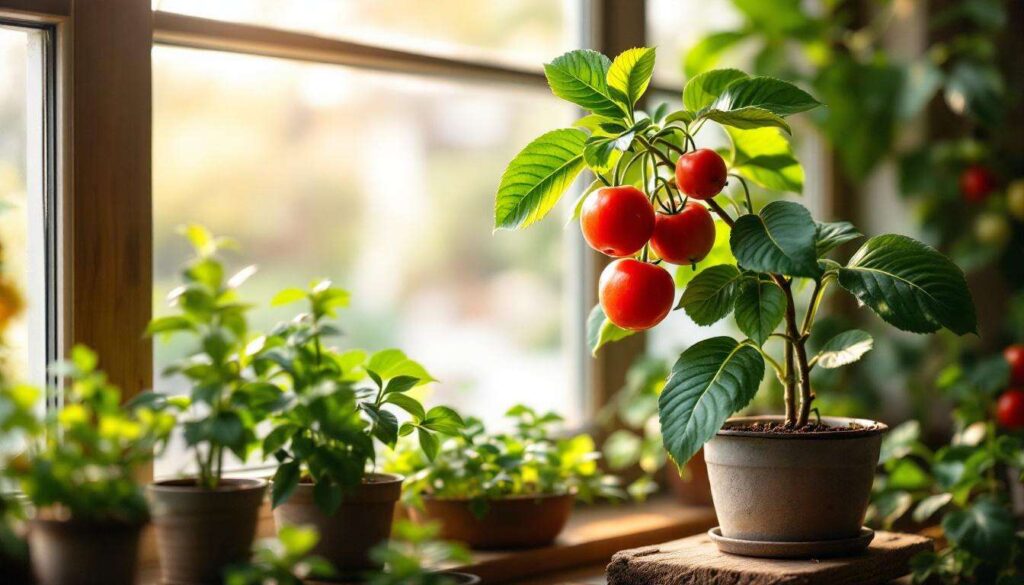
Urban gardeners seeking fresh produce without sacrificing precious outdoor space have discovered an unexpected champion: the strawberry. This compact, versatile fruit thrives indoors with minimal effort, producing sweet berries nearly year-round when conditions are right. Unlike traditional fruit trees requiring extensive space and patience, strawberries adapt remarkably well to container cultivation, making them ideal for flats, conservatories, and even kitchen windowsills. Their rapid growth cycle and continuous fruiting potential have transformed them into the darling of indoor gardening enthusiasts across the UK.
Introduction to indoor fruit gardening
Understanding the indoor growing environment
Indoor fruit cultivation represents a revolutionary approach to home food production, allowing gardeners to bypass seasonal limitations and spatial constraints. The controlled environment of indoor spaces provides unique advantages: consistent temperatures, protection from pests, and the ability to manipulate growing conditions for optimal yields. Strawberries particularly excel in these settings because their shallow root systems and compact growth habits require far less space than conventional fruit plants.
The key to successful indoor fruit gardening lies in replicating natural conditions whilst capitalising on the benefits of a controlled environment. Modern LED grow lights have revolutionised this practice, providing the specific light spectrums plants need for photosynthesis without excessive heat or energy consumption. Combined with proper ventilation and humidity management, indoor spaces can rival or even surpass outdoor growing conditions.
Why strawberries dominate indoor cultivation
Strawberries possess several characteristics that make them exceptionally suited for indoor growing:
- Compact root systems requiring containers as small as 15-20 cm in diameter
- Rapid maturation from flower to fruit in approximately 30 days
- Everbearing varieties producing fruit continuously throughout the growing season
- Self-pollinating flowers requiring minimal intervention
- Attractive foliage and flowers providing ornamental value beyond fruit production
These attributes combine to create a low-maintenance, high-reward growing experience that appeals to both novice and experienced gardeners. The psychological benefits of nurturing living plants and harvesting fresh fruit indoors cannot be understated, particularly for urban dwellers with limited access to green spaces.
Beyond their practical advantages, strawberries offer an educational opportunity for families, demonstrating the complete lifecycle of food production in a manageable timeframe that maintains children’s interest and engagement.
The benefits of growing fruits at home
Nutritional and flavour advantages
Home-grown strawberries deliver superior nutritional value compared to commercially produced alternatives. Supermarket strawberries are typically harvested before peak ripeness to withstand transport and storage, compromising both flavour and nutrient content. Indoor-grown berries can remain on the plant until fully ripe, maximising their vitamin C content, antioxidants, and natural sugars. The difference in taste is immediately apparent: home-grown strawberries possess an intensity and sweetness that shop-bought varieties rarely achieve.
| Nutrient | Shop-bought (per 100g) | Home-grown (per 100g) |
|---|---|---|
| Vitamin C | 45-55 mg | 60-75 mg |
| Antioxidants | Moderate | High |
| Natural sugars | 4-5g | 6-8g |
Economic and environmental considerations
The financial benefits of indoor strawberry cultivation become apparent over time. Initial investment in containers, growing medium, and lighting equipment typically ranges from £30-80, yet a well-maintained plant can produce 0.5-1 kg of fruit annually for several years. Given that organic strawberries retail for £8-12 per kilogram, the return on investment materialises within the first growing season.
Environmental advantages extend beyond reduced food miles. Indoor cultivation eliminates the need for pesticides, fungicides, and chemical fertilisers commonly used in commercial production. Water usage remains minimal due to precise irrigation control, and the absence of packaging waste further reduces environmental impact. For environmentally conscious consumers, these factors represent compelling reasons to embrace indoor fruit growing.
Understanding these multifaceted benefits naturally leads to the practical considerations of establishing your indoor strawberry garden.
Choosing the right location for your indoor garden
Light requirements and positioning
Strawberries require 6-8 hours of bright light daily for optimal fruit production. South-facing windows provide ideal natural illumination in the UK, though supplemental LED grow lights become necessary during winter months when daylight hours diminish. Position plants within 30-60 cm of windows to maximise light exposure, rotating containers weekly to ensure even growth on all sides.
For spaces lacking adequate natural light, full-spectrum LED grow lights offer an effective solution. These should be positioned 15-30 cm above the plant canopy, adjusting height as plants grow. Modern LED systems consume minimal electricity whilst providing the precise wavelengths strawberries need for photosynthesis and fruit development.
Temperature and humidity control
Strawberries thrive in temperatures between 15-24°C, making most UK homes naturally suitable. Avoid placing containers near radiators, air conditioning vents, or draughty windows where temperature fluctuations might stress plants. Consistent temperatures promote steady growth and continuous flowering.
Humidity levels between 40-60% prove ideal for strawberry cultivation. UK homes often maintain adequate humidity naturally, though central heating during winter can create excessively dry conditions. Simple solutions include:
- Grouping multiple plants together to create a microclimate
- Placing containers on pebble-filled trays with water below pot level
- Using a small humidifier in particularly dry rooms
- Misting foliage lightly every few days
Space optimisation strategies
Vertical growing systems maximise limited space whilst improving air circulation around plants. Tiered plant stands, hanging baskets, and wall-mounted containers allow multiple plants to occupy minimal floor space. This approach proves particularly valuable in smaller flats where every square metre counts.
Once you’ve identified the perfect location, selecting appropriate varieties becomes the next crucial step.
Varieties of fruits suitable for indoors
Recommended strawberry cultivars
Everbearing and day-neutral strawberry varieties perform best indoors, producing fruit continuously rather than in a single seasonal flush. Albion ranks amongst the most popular choices, offering large, flavourful berries with excellent disease resistance. Seascape produces prolifically in containers, whilst Tristar tolerates lower light conditions better than most varieties.
For those seeking ornamental appeal alongside fruit production, Tarpan produces attractive pink flowers rather than the typical white blooms, creating visual interest throughout the growing season. Alpine strawberries, though producing smaller fruits, offer intense flavour and exceptional productivity in limited spaces.
Alternative indoor fruits worth considering
Whilst strawberries reign supreme for indoor cultivation, several other fruits merit consideration:
- Dwarf citrus trees: lemons, limes, and kumquats thrive in large containers with adequate light
- Cherry tomatoes: technically fruits, these produce abundantly on compact vines
- Blueberries: compact varieties suit container growing, though requiring acidic soil
- Figs: dwarf cultivars like ‘Petite Negra’ fruit reliably indoors
Each alternative presents unique requirements and challenges, yet strawberries remain the most forgiving and productive option for beginners.
With varieties selected, attention turns to the ongoing care that ensures abundant harvests.
Maintenance and care for optimal production
Soil and container requirements
Well-draining growing medium proves essential for strawberry success. A mixture of quality potting compost, perlite, and coir in equal parts creates ideal conditions, preventing waterlogging whilst retaining adequate moisture. Containers must feature drainage holes, with saucers beneath to catch excess water.
Container size directly impacts productivity: minimum 15 cm diameter for single plants, though 20-25 cm pots support more vigorous growth and larger yields. Terracotta containers offer excellent breathability, whilst plastic pots retain moisture longer between waterings.
Watering and feeding schedules
Consistent moisture levels promote healthy growth and fruit development. Water when the top 2-3 cm of soil feels dry to the touch, typically every 2-3 days depending on temperature and humidity. Avoid overhead watering which encourages fungal diseases; instead, water directly onto the soil surface.
Feeding requirements increase during flowering and fruiting periods. Apply a balanced liquid fertiliser at half strength every two weeks, switching to a high-potassium formula once flowers appear to support fruit development. Organic options like seaweed extract or worm tea provide gentle, sustained nutrition.
Pollination and pest management
Indoor strawberries require manual pollination in the absence of natural pollinators. Gently brush flower centres with a small paintbrush or cotton bud, transferring pollen between flowers. This simple task, performed every few days during flowering, dramatically improves fruit set and yield.
Indoor environments typically experience fewer pest problems than outdoor gardens, though vigilance remains important. Common issues include:
- Aphids: remove with a strong water spray or insecticidal soap
- Spider mites: increase humidity and use neem oil if necessary
- Fungus gnats: allow soil to dry slightly between waterings
These maintenance practices culminate in the rewarding experience of harvesting your own fresh fruit.
Harvesting and enjoying indoor-grown fruits
Recognising ripeness and harvest timing
Strawberries reach peak ripeness when fully coloured with no white or green areas remaining near the stem. Unlike commercial growers who harvest early, home gardeners can wait until berries achieve complete ripeness, maximising sweetness and flavour. Gently twist ripe fruits from stems, leaving the green cap attached to preserve freshness.
Everbearing varieties produce fruit in waves throughout the growing season, with peak production typically occurring every 6-8 weeks. Regular harvesting encourages continued flowering and fruit set, whilst leaving overripe berries on plants can attract pests and disease.
Storage and culinary applications
Fresh strawberries maintain optimal quality for 3-5 days when refrigerated unwashed in breathable containers. For longer preservation, freezing whole berries on trays before transferring to freezer bags preserves flavour for up to six months. Home-grown strawberries excel in numerous applications: fresh consumption, smoothies, preserves, desserts, and salads.
The superior flavour of home-grown berries elevates even simple preparations. Sliced strawberries with a touch of balsamic vinegar and black pepper create an sophisticated accompaniment to savoury dishes, whilst their natural sweetness requires minimal added sugar in desserts and preserves.
Indoor strawberry cultivation offers urban gardeners an accessible entry point into home food production, delivering fresh, flavourful fruit throughout most of the year with minimal space and effort. The combination of rapid growth, continuous production, and straightforward care requirements makes strawberries the ideal indoor fruit crop. From selecting appropriate varieties and establishing optimal growing conditions to maintaining plants and harvesting abundant crops, the process proves both manageable and rewarding. Beyond the tangible benefits of fresh fruit, indoor gardening provides psychological rewards, connecting urban dwellers with natural growing cycles and the satisfaction of producing their own food. Whether you’re a seasoned gardener or complete novice, strawberries offer a delicious introduction to the possibilities of indoor fruit cultivation.