

Garden snakes play a vital role in maintaining the delicate balance of ecosystems, controlling insect populations whilst providing sustenance for birds of prey such as owls and hawks. As temperatures plummet during the colder months, these reptiles face a significant challenge: surviving conditions that could prove fatal to their cold-blooded physiology. Understanding where these creatures retreat and how they endure the winter provides valuable insight into their remarkable survival strategies and helps gardeners appreciate the presence of these beneficial animals in their outdoor spaces.
Understanding the hibernation of garden snakes
The physiological necessity of winter dormancy
Garden snakes, like all reptiles, are ectotherms, meaning they cannot generate their own body heat and must rely entirely on external environmental conditions to regulate their body temperature. When temperatures drop below 60°F (approximately 15.5°C), these creatures begin experiencing significant physiological changes that force them to seek shelter. Their metabolism gradually slows to a crawl, rendering them almost completely immobile and unable to hunt, digest food, or perform normal bodily functions.
This state of dormancy, often referred to as brumation rather than true hibernation, represents a critical survival mechanism that allows snakes to conserve energy during periods when food sources become scarce and environmental conditions turn hostile. Unlike mammals that hibernate, snakes in brumation may occasionally wake during warmer spells to drink water before returning to their dormant state.
The timing and triggers for winter retreat
The transition into brumation does not occur suddenly but follows environmental cues that signal the approach of winter. Key triggers include:
- Decreasing daylight hours that indicate seasonal change
- Sustained temperature drops below the critical threshold
- Reduced availability of prey species
- Instinctive biological rhythms developed over millennia
Most garden snakes begin their search for suitable winter quarters as early as late autumn, with the process typically commencing between October and November, depending on geographical location and local climate patterns. This preparation phase proves essential, as snakes may travel considerable distances to locate appropriate hibernation sites.
| Temperature Range | Snake Activity Level | Behaviour |
|---|---|---|
| Above 60°F (15.5°C) | Active | Normal hunting and movement |
| 50-60°F (10-15.5°C) | Reduced | Seeking shelter, limited activity |
| Below 50°F (10°C) | Dormant | Brumation state |
Understanding these patterns helps explain why gardeners notice a dramatic decrease in snake sightings as temperatures begin to fall, leading naturally to questions about where these creatures actually spend the winter months.
Favourite locations for garden snakes to hibernate
Natural hibernation sites: hibernacula
The specific locations where garden snakes overwinter are called hibernacula, specialised shelters that provide protection from freezing temperatures and predators. These sites must be located below the frost line, the depth at which ground freezing does not penetrate, ensuring that snakes remain in a temperature-stable environment throughout the coldest months. In most temperate regions, this depth ranges from 30 to 120 centimetres below the surface, depending on local climate conditions.
Natural hibernacula include a variety of underground structures:
- Abandoned burrows created by groundhogs, chipmunks, or other burrowing mammals
- Crevices in rocky outcrops and natural stone formations
- Root systems of large trees that create hollow spaces underground
- Natural caves and underground chambers
- Spaces beneath fallen logs that have partially decomposed
Human-made structures as winter refuges
Garden snakes have adapted remarkably well to human-altered landscapes, frequently utilising man-made structures as hibernation sites. These locations often provide excellent thermal protection and accessibility, making them highly attractive alternatives to natural hibernacula. Common human-made shelters include:
- Foundations of buildings and homes, particularly older structures with gaps
- Stone walls and retaining walls with spaces between rocks
- Wood piles and lumber stacks left undisturbed
- Compost heaps that generate modest warmth through decomposition
- Spaces beneath decks, patios, and garden sheds
- Drainage systems and culverts
Communal hibernation behaviour
One particularly fascinating aspect of garden snake winter behaviour is their tendency to hibernate communally. Multiple individuals, sometimes numbering in the dozens or even hundreds, may congregate in a single suitable hibernaculum. This grouping behaviour offers several survival advantages, including shared body heat and increased chances of successful reproduction when they emerge in spring.
Research indicates that snakes may travel distances of up to a mile (approximately 1.6 kilometres) to reach established hibernacula, often returning to the same sites year after year. This site fidelity demonstrates the importance of preserving known hibernation locations for the long-term survival of local snake populations.
Knowing where snakes spend their winter months raises important considerations about how these creatures physically prepare for such an extended period of dormancy.
Preparing garden snakes for winter
Pre-brumation feeding and energy storage
Before entering brumation, garden snakes engage in intensive feeding during the late summer and early autumn months. This period of hyperphagia allows them to build up sufficient fat reserves to sustain them through the months when they cannot feed. The stored energy must be adequate to maintain minimal metabolic functions and provide resources for the spring emergence and subsequent breeding season.
The preparation process involves several key stages:
- Increased hunting activity to maximise caloric intake
- Gradual reduction in feeding as temperatures drop
- Complete cessation of eating approximately two weeks before entering brumation
- Emptying of the digestive tract to prevent food decomposition during dormancy
Physical and behavioural adjustments
As garden snakes prepare for winter, observable changes occur in their behaviour and physiology. They become increasingly lethargic, spending more time basking in available sunlight to maintain body temperature whilst reducing overall activity levels. This gradual slowdown helps conserve energy and signals the approaching transition to full brumation.
During this preparatory phase, snakes also seek out appropriate hibernation sites, often exploring multiple locations before selecting the most suitable refuge. Factors influencing site selection include temperature stability, protection from predators, and proximity to suitable spring habitat for post-emergence activities.
These individual preparations occur within the broader context of environmental conditions that either facilitate or hinder successful winter survival.
Role of the environment in hibernation
Temperature regulation and microclimate importance
The microclimate within a hibernaculum proves absolutely critical to snake survival during winter. Even small variations in temperature can mean the difference between successful brumation and fatal freezing. Ideal hibernation sites maintain relatively stable temperatures just above freezing, typically ranging from 35-45°F (approximately 2-7°C), allowing snakes to remain dormant without risking tissue damage from ice crystal formation.
Environmental factors affecting hibernaculum quality include:
- Soil composition and its insulating properties
- Depth below the surface and distance from the frost line
- Moisture levels that prevent dehydration without causing flooding
- Air circulation that provides adequate oxygen whilst preventing excessive heat loss
- Protection from direct wind exposure
Climate variability and survival challenges
Modern climate patterns present increasing challenges for hibernating garden snakes. Unseasonable warm spells during winter can trigger premature emergence, exposing snakes to subsequent cold snaps that may prove fatal. Conversely, unusually severe cold periods can penetrate deeper into the ground, threatening snakes in marginal hibernacula.
| Environmental Factor | Optimal Condition | Risk if Suboptimal |
|---|---|---|
| Temperature | 35-45°F (2-7°C) | Freezing or premature awakening |
| Humidity | Moderate (40-60%) | Dehydration or fungal infection |
| Depth | Below frost line | Exposure to freezing |
Understanding these environmental requirements provides valuable guidance for those wishing to support garden snake populations through habitat management.
Recreating a suitable habitat for garden snakes
Creating hibernation-friendly garden features
Gardeners and landowners can take proactive steps to provide suitable hibernation sites for garden snakes, supporting these beneficial creatures whilst maintaining a balanced ecosystem. Simple modifications to garden design and maintenance practices can significantly enhance habitat quality without requiring substantial effort or expense.
Effective habitat enhancements include:
- Maintaining undisturbed rock piles in sunny locations
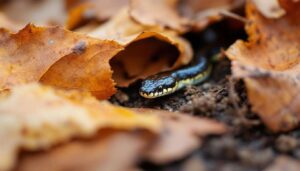
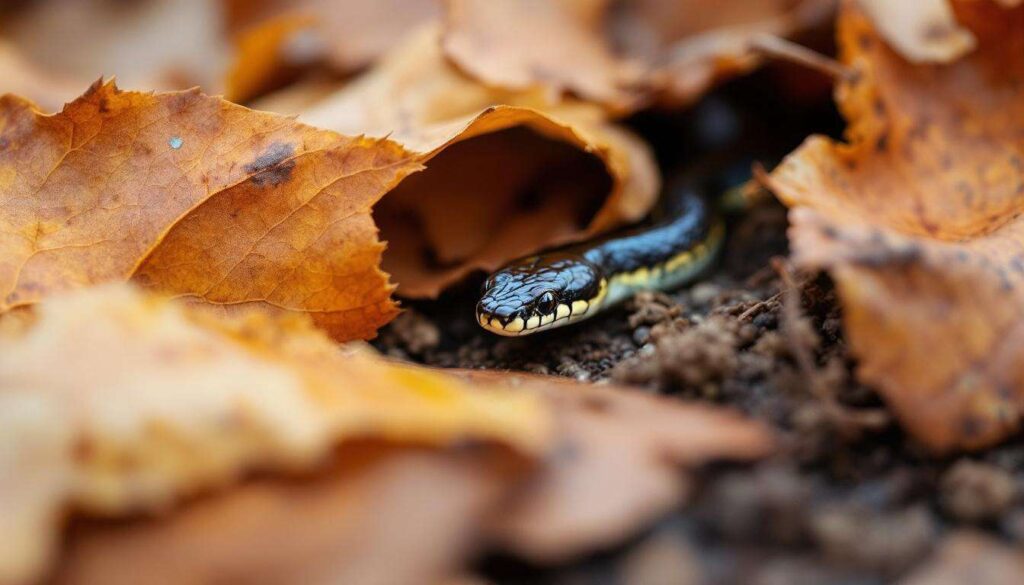
- Leaving sections of the garden with natural leaf litter and debris
- Creating or preserving brush piles in sheltered areas
- Avoiding disturbance of compost heaps during winter months
- Preserving old tree stumps and root systems
- Installing purpose-built hibernacula using buried tiles or pipes
Garden management practices supporting snake populations
Beyond creating specific hibernation structures, general garden management practices can either support or hinder snake populations. Wildlife-friendly gardening approaches that benefit snakes include reducing pesticide use, which maintains healthy prey populations, and avoiding excessive tidiness that eliminates potential shelter sites.
Timing of garden maintenance activities also matters significantly. Avoiding major disturbances to potential hibernation sites between October and March prevents accidental destruction of occupied hibernacula and allows snakes to complete their winter dormancy undisturbed.
As winter gives way to spring, the emergence of garden snakes from their winter refuges marks an important transition in the annual cycle.
Observing garden snakes after the cold season
Spring emergence patterns and timing
Garden snakes typically begin emerging from brumation as temperatures consistently rise above 50°F (10°C), usually occurring between March and April depending on geographical location and seasonal weather patterns. This emergence does not happen suddenly; snakes may venture out on warm days before returning to their hibernacula during cold nights, gradually increasing their activity as conditions improve.
The most common garden snake species display characteristic emergence behaviours:
- Garter snakes: measuring 30-45 cm, featuring brown or yellow colouration with distinctive checkerboard patterns or longitudinal stripes, often the first to emerge
- Dekay’s brown snake: reaching 12-25 cm in length, characterised by greyish backs with dark spots, typically emerging slightly later
- Red-bellied snake: measuring 12-25 cm, displaying grey-brown dorsal colouration and distinctive reddish ventral surfaces
Post-emergence behaviour and breeding activity
Upon emerging, garden snakes prioritise several critical activities. Initial basking behaviour helps raise body temperature to functional levels, after which snakes seek water sources to rehydrate following months of dormancy. Breeding activity often occurs shortly after emergence, with males actively searching for females, sometimes creating impressive mating aggregations near hibernacula.
Observing these post-winter behaviours provides valuable opportunities for nature enthusiasts to appreciate these often-misunderstood creatures whilst gaining insight into the successful completion of their remarkable winter survival strategy.
Garden snakes demonstrate extraordinary adaptations that enable them to survive harsh winter conditions through brumation in carefully selected hibernacula. These beneficial reptiles seek shelters below the frost line, utilising both natural burrows and human-made structures, often gathering communally for enhanced survival. Understanding their winter behaviour, from pre-brumation preparation through spring emergence, allows gardeners to create supportive habitats that sustain these valuable ecosystem members. By preserving hibernation sites and adopting wildlife-friendly practices, we can ensure garden snakes continue their essential role in controlling pest populations whilst enriching the biodiversity of our outdoor spaces.