



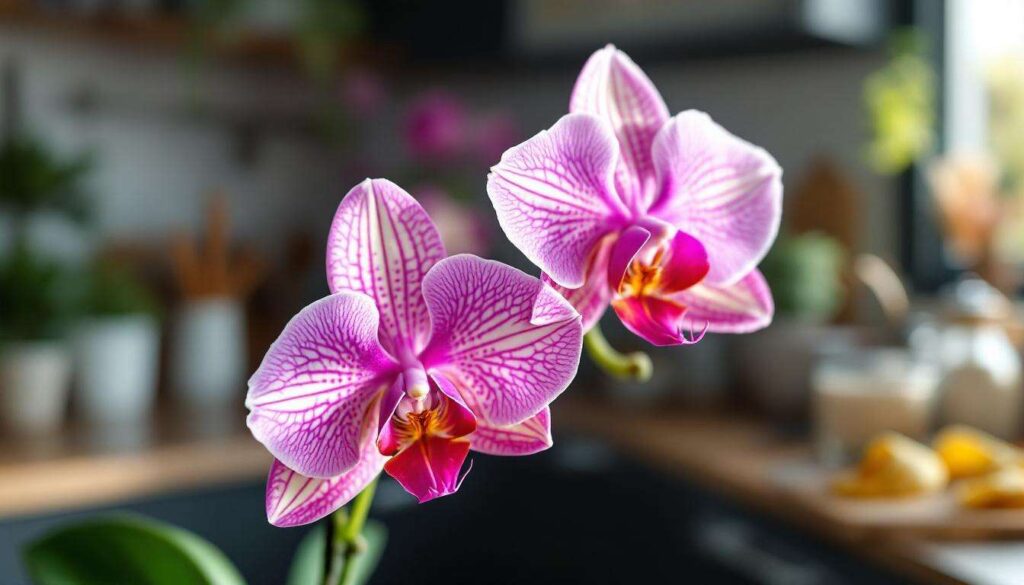
Orchids captivate gardeners worldwide with their elegant blooms and exotic appeal, yet many struggle to coax these delicate plants into flowering. While orchids require specific care conditions, a surprising solution lies within your kitchen cupboards. Two simple ingredients, readily available in most households, can revitalise your orchids and encourage spectacular blooming cycles that will transform your indoor garden.
The unexpected benefits of kitchen ingredients for your orchids
Natural nutrients hidden in everyday items
Kitchen ingredients offer remarkable nutritional properties that many orchid enthusiasts overlook. These household staples contain essential minerals and compounds that mirror the nutrients orchids would naturally absorb in their native habitats. Unlike commercial fertilisers, which can sometimes overwhelm delicate root systems with concentrated chemicals, kitchen-based solutions provide a gentler, more organic approach to plant nutrition.
The beauty of using kitchen ingredients lies in their accessibility and cost-effectiveness. Gardeners no longer need to invest in expensive specialised products when common pantry items can deliver comparable results. These natural alternatives also reduce the risk of chemical build-up in potting media, which can damage orchid roots over time.
Why orchids respond to specific kitchen compounds
Orchids have evolved to thrive in environments where nutrients arrive in diluted, organic forms. The compounds found in certain kitchen ingredients replicate these natural conditions effectively. Key benefits include:
- Enhanced root development through gentle mineral absorption
- Stimulation of chlorophyll production for healthier foliage
- Improved resistance to common orchid ailments
- Activation of dormant flowering mechanisms within the plant
Understanding how these ingredients interact with orchid biology helps explain their effectiveness. The natural enzymes and nutrients work synergistically with the plant’s existing systems rather than forcing artificial growth patterns.
How two kitchen ingredients can transform your orchids
Garlic: the flowering catalyst
Garlic serves as an unexpected powerhouse for orchid care. This pungent bulb contains allicin and sulphur compounds that, when properly prepared, can stimulate orchid blooming within remarkably short timeframes. The preparation method involves crushing garlic cloves to release their active compounds, which then infuse into water to create a nutrient-rich solution.
The application of garlic water has gained considerable attention among orchid communities, with numerous gardeners reporting visible improvements within seven to ten days. The sulphur content particularly benefits orchids by promoting protein synthesis and enzyme activation, both crucial for flower development.
Rice water and banana infusion: the growth duo
The combination of rice water and banana-based nutrients creates a potent fertilising mixture that addresses multiple orchid needs simultaneously. Rice water contains:
- Starch residues that beneficial microorganisms convert into plant-available nutrients
- B vitamins that support cellular function
- Trace minerals essential for photosynthesis
Banana peels, when steeped in water, release potassium, phosphorus, and calcium. These elements directly contribute to flower formation and longevity. The potassium content particularly strengthens cell walls, resulting in more robust blooms that last longer.
Comparative effectiveness of kitchen solutions
| Ingredient | Primary benefit | Application frequency | Visible results |
|---|---|---|---|
| Garlic water | Bloom stimulation | Weekly | 7-10 days |
| Banana tea | Root strengthening | Fortnightly | 2-3 weeks |
| Rice water | Overall vitality | Weekly | 10-14 days |
These natural solutions work best when alternated or combined strategically, allowing orchids to benefit from a diverse nutrient profile without overwhelming their delicate systems.
Step-by-step guide: prepare your homemade mixture to nourish your orchids
Preparing garlic-infused water
Creating an effective garlic solution requires careful preparation to maximise nutrient extraction. Begin by selecting two to three fresh garlic cloves of medium size. Place them in a sealed plastic bag and use a hammer or rolling pin to crush them thoroughly. This mechanical breakdown releases the beneficial compounds locked within the garlic cells.
Once crushed, transfer the garlic to a container with one litre of room-temperature water. Allow the mixture to steep for at least 12 hours, preferably overnight. Strain the liquid through a fine mesh or cheesecloth to remove solid particles that could encourage bacterial growth in your orchid’s potting medium. The resulting amber-tinted water is ready for application.
Creating banana and rice water blend
For the banana component, reserve peels from two ripe bananas. Chop them into small pieces to increase surface area and place them in a jar with 500 millilitres of water. Leave this mixture to ferment for 48 to 72 hours at room temperature, stirring occasionally.
Rice water preparation is simpler: rinse 100 grams of uncooked rice thoroughly, then soak it in one litre of water for 30 minutes. Agitate the rice periodically to encourage starch release. Strain and collect the cloudy water, which contains the desired nutrients.
Combine equal parts of strained banana water and rice water in a clean container. This mixture should be used within three days for optimal effectiveness, as natural decomposition begins to alter its nutrient profile thereafter.
Application techniques for maximum absorption
Apply your homemade solution using these methods:
- Water orchids normally, then add 100-150 millilitres of the prepared mixture to the potting medium
- Use a spray bottle to mist aerial roots lightly, allowing them to absorb nutrients directly
- For mounted orchids, soak the entire mounting material in the solution for five minutes before draining
Timing matters significantly when applying these treatments. Early morning application allows orchids to process nutrients throughout their active daytime photosynthesis period, maximising the beneficial effects.
Tips to maximise the effect of your homemade solution on orchids
Optimising environmental conditions
Kitchen ingredient solutions work most effectively when environmental factors align with orchid requirements. Temperature stability between 18-24°C creates ideal conditions for nutrient uptake. Orchids absorb solutions more efficiently when their environment mirrors their natural tropical origins.
Light exposure significantly influences how orchids utilise applied nutrients. Position plants where they receive bright, indirect sunlight for six to eight hours daily. This lighting regime ensures adequate energy production for converting absorbed nutrients into growth and flowering.
Complementary care practices
Enhance the effectiveness of your homemade solutions through these supporting practices:
- Maintain humidity levels between 50-70% using pebble trays or room humidifiers
- Ensure proper air circulation to prevent fungal growth whilst distributing nutrients evenly
- Monitor potting medium moisture, allowing slight drying between waterings
- Prune dead roots and leaves to redirect energy towards new growth
Rotation and variation strategies
Avoid nutrient monotony by rotating between different solutions. Use garlic water one week, followed by banana-rice water the next. This alternating schedule prevents potential nutrient imbalances whilst providing comprehensive nourishment. Some orchid varieties respond better to specific ingredients, so observe your plants’ reactions and adjust accordingly.
Avoid mistakes: precautions to take when using the mixture
Concentration and dilution concerns
The most common error involves applying overly concentrated solutions. Excessive nutrient levels can burn delicate orchid roots, causing brown tips and wilting. Always dilute homemade mixtures more than seems necessary; orchids prefer weak, frequent feeding over strong, sporadic applications.
If you notice leaf discolouration or root darkening after application, immediately flush the potting medium with plain water. This removes excess nutrients before permanent damage occurs. Subsequently, reduce solution concentration by half for future applications.
Storage and freshness guidelines
Homemade orchid solutions lack preservatives found in commercial products, making proper storage crucial. Refrigerate unused portions in sealed glass containers for no longer than one week. Discard any mixture showing signs of mould, unusual odours, or colour changes, as these indicate bacterial contamination that could harm your orchids.
Application frequency warnings
Overzealous application represents another common pitfall. Despite the natural origin of these ingredients, orchids still require rest periods between feedings. Excessive nutrients accumulate in potting media, creating toxic conditions. Follow this schedule:
- Apply solutions no more than once weekly during active growth periods
- Reduce to fortnightly applications during dormancy or after flowering
- Skip one week monthly to allow natural flushing of accumulated salts
- Always water with plain water between nutrient applications
Recognising when to stop treatment is equally important. If orchids show stress signs despite proper application, discontinue use temporarily and reassess their overall care regime.
Regular maintenance: ensure spectacular blooms throughout the year
Seasonal adjustment strategies
Orchid nutritional needs fluctuate with seasons, requiring adaptive care approaches. During spring and summer growth phases, increase solution frequency slightly as plants actively produce new leaves and roots. Autumn signals a natural slowdown, warranting reduced feeding to prepare orchids for their rest period.
Winter care demands particular attention. Most orchids enter semi-dormancy, requiring minimal nutrients but consistent environmental conditions. Reduce kitchen ingredient applications to once monthly whilst maintaining proper humidity and temperature levels.
Monitoring bloom cycles
Track your orchids’ flowering patterns to anticipate their needs. Most species bloom every eight to twelve months under optimal conditions. As flower spikes emerge, slightly increase feeding frequency to support energy-intensive bloom development. Once flowers open, return to standard feeding schedules to avoid shortening bloom duration.
Long-term care calendar
| Season | Feeding frequency | Focus area | Expected results |
|---|---|---|---|
| Spring | Weekly | New growth | Leaf and root development |
| Summer | Weekly | Vigour maintenance | Robust foliage |
| Autumn | Fortnightly | Spike initiation | Flower bud formation |
| Winter | Monthly | Bloom support | Extended flowering |
Repotting and renewal practices
Even with excellent nutrition, orchids require periodic repotting to maintain health. Every two to three years, transfer plants to fresh medium, inspecting roots for damage. This renewal process, combined with consistent feeding using kitchen ingredients, ensures continuous spectacular displays year after year.
Transforming orchids into spectacular flowering specimens requires neither expensive products nor complicated techniques. Two simple kitchen ingredients provide all the nourishment these elegant plants need to produce breathtaking blooms. By preparing garlic water and banana-rice water solutions correctly, applying them judiciously, and supporting them with proper environmental care, any gardener can achieve professional-quality results. The key lies in consistency, observation, and willingness to adjust care based on individual plant responses. With patience and these natural methods, your orchids will reward you with magnificent flowers that last for months, proving that sometimes the most effective solutions are already sitting in your kitchen.